
Key Points:
- The right rehab center matches your addiction type, schedule, and personal needs, not just your zip code.
- Ohio has a range of treatment options, from inpatient care to flexible outpatient programs, for every situation.
- Knowing what questions to ask a treatment center can save time and help you find real, lasting recovery faster.
When you search for drug rehab near me, the sheer number of results can feel overwhelming. You want help fast, but you also want the right help. Ohio has hundreds of treatment centers, and not all of them are built the same.
This guide breaks down exactly what to look for, what questions to ask, and how to find addiction treatment near you that actually fits your life.
Whether you are looking for yourself or someone you love, the steps below will make the process clearer and much less scary.
Why Location Is Just the Starting Point
Many people begin their search by typing drug rehab near me into Google. That is a good first step. But location should not be the only thing you consider. A center 20 minutes from your house is not helpful if it does not treat the substance you are struggling with or does not accept your insurance.
What matters more than geography is the fit. You need a center that treats your specific substance, whether that is opioids, alcohol, meth, or something else. You also need a program that fits your schedule, responsibilities, and mental health needs. Many people dealing with addiction also face trauma and substance abuse at the same time, so dual diagnosis care is something to ask about from the start.
That said, being close to home does have real benefits. It makes family involvement easier, reduces stress around transportation, and helps you stay connected to your community while building a new life.
Types of Addiction Treatment Programs in Ohio
Ohio offers several levels of care, and the right one depends on how severe your addiction is, whether you have a safe home environment, and how much structure you need.
Inpatient Rehab
Inpatient rehab means you live at the facility during treatment, usually for 30 to 90 days. This is the most intensive level of care and works best for people with severe addiction, unsafe home situations, or those who have relapsed after previous treatment. If you want to understand the difference between detox centers and rehab centers in Ohio, inpatient rehab often follows a medical detox phase.
Partial Hospitalization Program (PHP)
A partial hospitalization program offers intensive treatment for about 5 to 6 hours a day, 5 days a week, while you return home each evening. It bridges the gap between inpatient and outpatient care and is ideal for people who have completed detox and need continued structure.
Intensive Outpatient Program (IOP)
An intensive outpatient program lets you attend therapy several times a week while keeping your job, family commitments, or housing. It is one of the most popular options in Ohio because of its flexibility. Many people in IOP find that work-friendly IOP scheduling allows them to keep their lives running while still getting real treatment.
Standard Outpatient Rehab
Outpatient rehab near me is the least intensive option, typically involving one to two sessions per week. It works best for mild addiction or as a step-down after completing a higher level of care. The benefits of outpatient drug rehab include lower cost, more freedom, and the ability to apply coping skills in real time.
What to Look for in Rehab Centers in Ohio
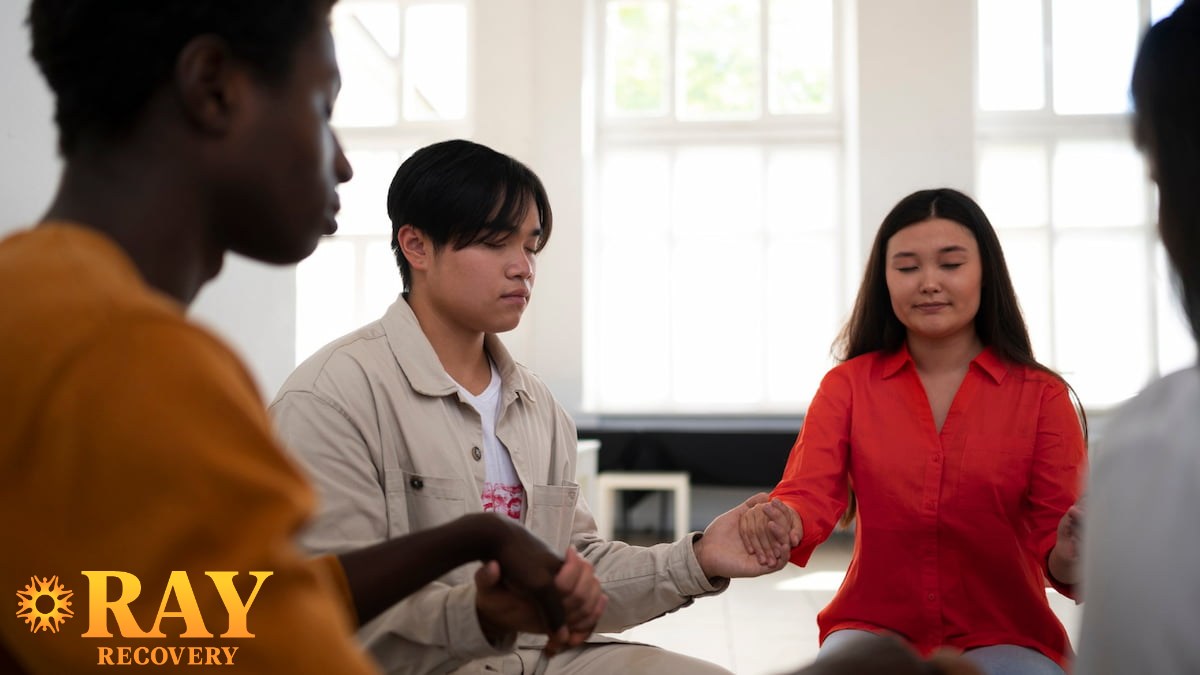
Once you know what level of care you need, you can start narrowing down your options. Here is what to check before you commit to any center. Accreditation and licensing matter. Any reputable drug rehab Ohio facility should be licensed by the Ohio Department of Mental Health and Addiction Services. Accreditation from organizations like CARF or The Joint Commission is an added sign of quality.
Evidence-based treatment means the center uses therapy methods that have been tested and proven to work. Look for cognitive behavioral therapy (CBT), motivational interviewing, and medication-assisted treatment (MAT) where appropriate.
Dual diagnosis care is non-negotiable for many people. If you also live with depression, anxiety, PTSD, or another mental health condition, you need a program that treats all at the same time. A center that only treats the addiction and ignores underlying mental health struggles will leave you at a much higher risk of relapse.
Aftercare planning is what separates good rehab from great rehab. Recovery does not stop at discharge. Ask any center you consider how they handle aftercare in outpatient drug rehab and what their plan is for keeping you supported long-term.
How to Find Addiction Treatment in Akron, Ohio
If you are in or near Akron, you have access to strong local resources. Alcohol rehab in Akron, Ohio, has helped many people rebuild their lives right in their own community. Staying local has real advantages when you have family support systems nearby.
When you call a center in Akron or anywhere in Ohio, ask these questions:
- What specific substances do you treat?
- Do you accept my insurance or Medicaid?
- Do you offer dual diagnosis treatment for mental health conditions?
- What does a typical week look like in your program?
- What happens after I finish the program?
These questions give you real, useful information and help you compare centers side by side. If a center cannot answer them clearly, that tells you something. If you are unsure how to help someone else find the right place, the guide on how to help someone with a drug addiction is a great place to start.
The Role of Family in Finding the Right Center
Addiction does not just affect the person using. It touches everyone around them. Families often carry guilt, fear, and exhaustion that make it hard to think clearly when it is time to find help. Research consistently shows that family therapy speeds up recovery, so look for centers that involve loved ones in the treatment process.
A good center will offer family counseling sessions, family education programs, and clear communication policies so you always know what is happening with your loved one’s care. This is especially true for parents looking for help for a teenager or young adult.
If prescription drug misuse is part of the picture, reading about prescription drug addiction in teens and young adults can help families understand what they are dealing with before reaching out to a center.
What Happens After You Choose a Center
Once you pick the right facility, the next step is the admissions call. This is usually quick and confidential. A counselor will ask about your substance use history, your medical background, and your insurance.
They will then recommend a level of care and explain what the first few days will look like. Most people feel nervous at this stage, and that is completely normal. The first 72 hours can be physically and emotionally intense, but you will have support around you.
After treatment ends, the work of recovery continues. Building a sober support network after treatment is one of the strongest predictors of long-term success. A good rehab center will help you plan for this before you ever walk out the door.
Best Rehab Centers Near Me: Red Flags to Avoid

Not every facility advertising itself as the best rehab center near me lives up to that claim. Watch for these warning signs:
- Promises of a ‘cure’ or guaranteed sobriety, which no ethical center will ever make.
- Pressure to sign contracts or pay large sums before you have seen the facility.
- No licensed clinical staff, such as psychiatrists, counselors, or social workers.
- Vague or evasive answers to basic questions about their program.
- No aftercare plan or follow-up support was offered after discharge.
Real recovery is not a quick fix. Trustworthy centers are honest about the hard work involved and walk alongside you every step of the way.
Frequently Asked Questions
How do I know which level of care I need?
The best way to find out is through a professional assessment. Most treatment centers offer a free phone evaluation. The counselor will ask about your usage patterns, mental health history, and living situation to recommend the right fit.
Can I go to rehab while keeping my job?
Yes, many people complete intensive outpatient programs while working full-time. Flexible scheduling options, including evening sessions, make this possible for a large number of people across Ohio.
Does insurance cover drug rehab in Ohio?
Most major insurance plans, including Medicaid, are required to cover addiction treatment under federal parity laws. Call your insurer or the treatment center’s admissions team to verify your specific benefits before you commit.
What if I have tried rehab before and relapsed?
Relapse is common and does not mean treatment failed. It often means the level of care or the aftercare plan needs to be adjusted. Going back to rehab with that knowledge puts you in a better position for lasting recovery.
How long does a typical rehab program last in Ohio?
Length varies by program type. Inpatient programs often run 30 to 90 days. IOPs typically last 8 to 12 weeks. Standard outpatient care can continue for several months, depending on progress and individual need.
Start Close, Choose Right, And Take The First Step Toward Real Change
Searching for drug rehab near me can feel overwhelming when every option looks similar. At Ray Recovery, we help you cut through the noise and focus on what truly matters: safe, effective care that meets your needs. Whether you are exploring addiction treatment near you for the first time or comparing rehab centers in Ohio, our team offers guidance rooted in experience and respect.
From outpatient rehab near me to structured programs in addiction treatment in Akron, Ohio, every path is different. The right fit can shape long-term success and stability. If you are ready to move forward, connect with our team today to find support, clarity, and a program built around your recovery goals.