- Medically Reviewed By: Dan Smith, LISW-S, LICDC
- Updated: November 10, 2026
Mental Health Treatment for People Facing Addiction
Ray Recovery treats mental health conditions like anxiety, depression, PTSD, OCD, bipolar disorder and borderline personality disorder alongside substance use, in one coordinated plan. Care is outpatient, through our partial hospitalization program, intensive outpatient program and virtual IOP, at our Hudson office near Akron and our Uniontown office near Canton.
| Who it’s for | Adults whose mental health and substance use are connected (co-occurring conditions) |
| Conditions | Anxiety, depression, trauma and PTSD, OCD, bipolar disorder, borderline personality disorder and other personality disorders |
| Levels of care | PHP (about 25 hours a week), IOP (about 9 hours a week, daytime or evening) and virtual IOP anywhere in Ohio |
| Care team | Psychiatric support from our Medical Director and a psychiatric nurse practitioner, plus licensed counselors |
| Locations | Hudson (Akron and Summit County) and Uniontown (Canton and Stark County) |
| Insurance | Ohio Medicaid, MyCare Ohio, Tricare, VA CCN, Medical Mutual and more |
Mental health conditions and substance use disorders often show up together, and treating both at the same time works better than treating them one after the other. That approach is called dual diagnosis treatment, and it’s at the center of everything we do.
Benefits of Co-Occurring Mental Health Treatment in Addiction Recovery
First, why is it so important to treat mental health conditions that co-occur with addiction? Treatment for co-occurring disorders is associated with increased chances of successful treatment for both disorders and other positive outcomes, including but not limited to:
- Increased quality of life.
- Improvements in psychiatric functioning.
- Reduced or eliminated substance use.
- Reduced medication interactions.
- Decreased hospitalizations.
- Fewer arrests.
People facing both addiction and mental health conditions may use substances for various reasons. For example, one may use drugs and alcohol to self-medicate unmanaged mental health concerns. Similarly, many mental health conditions share risk factors with substance use disorders, which may account for some of the overlap between the two.
Mental Health Conditions We Treat Alongside Addiction
At both our Hudson and Uniontown offices, Ray Recovery has staff who are experienced in treating the following mental health disorders. If you have any questions about the conditions we treat or whether Ray Recovery is the right choice for you or your loved one seeking mental health and addiction treatment, please call our admissions line.
Anxiety Disorders
Anxiety disorders are the most common category or type of mental health condition. Still, only about one in four people with anxiety disorders get treatment, according to the World Health Organization (WHO). Types of anxiety disorders you may have heard of before include but aren’t limited to:
- Generalized Anxiety Disorder.
- Social Anxiety Disorder.
- Panic Disorder.
- Specific Phobia.
Anxiety disorders can be severe, moderate, or mild. If left unaddressed, they can have devastating impacts on your quality of life. Treatment can alleviate symptoms of anxiety and help you manage the condition.
Depression
Depression is another widespread mental health condition that can vary in severity. Depressive disorders can take many different forms, including but not limited to:
- Major depressive disorder (MDD).
- Persistent depressive disorder (PDD).
- Premenstrual dysphoric disorder (PMDD).
Like with other mental health disorders, treating depression is possible. Ray Recovery treats all types of depression co-occurring with substance abuse.
Bipolar Disorder
Bipolar disorder is identified by alternating courses of depression and mania or hypomania. There are different types of bipolar disorder and related conditions, most often including bipolar I disorder, bipolar II disorder, and cyclothymia. When symptoms of bipolar disorder are not under control, it can be highly destabilizing for individuals and families. Effective treatment usually includes a combination of therapy, medication, and lifestyle practices.
Obsessive-Compulsive Disorder (OCD)
OCD affects about one to three percent of the global population. It is characterized by obsessions, compulsions, and related symptoms that cause severe impairment in quality of life and functioning. Common forms of OCD include but aren’t limited to:
- Contamination OCD.
- “Just right” OCD.
- Relationship OCD.
- Harm OCD.
The different forms of OCD are called “subtypes,” but they are all diagnosed simply as obsessive-compulsive disorder. OCD is usually best treated through therapies like cognitive behavioral therapy with exposure and response prevention (ERP), and some people with the condition also benefit from medication.
Trauma
Trauma itself is not a mental disorder, but it is a risk factor for substance use and mental health disorders. Enduring a traumatic or stressful event can significantly impact one’s quality of life, interpersonal relationships, and physical and mental well-being long after the event itself is over. Despite this, it is absolutely possible to heal from trauma.
Although it is not always the case, some people who endure traumatic events go on to develop trauma disorders such as post-traumatic stress disorder (PTSD) or complex PTSD. At Ray Recovery, we address trauma and trauma disorders like PTSD.
Personality Disorders
Many adults have some form of personality disorder. Personality disorders tend to co-occur with other conditions, and there are many different types. We work with personality disorders such as borderline personality disorder (BPD). Even though having a personality disorder–or any type of mental health condition–is hard, conditions like BPD are treatable. Some people with conditions like BPD get to a place in recovery where they no longer meet the criteria for the disorder.



Request A Callback
"*" indicates required fields
Levels of Care at Ray Recovery
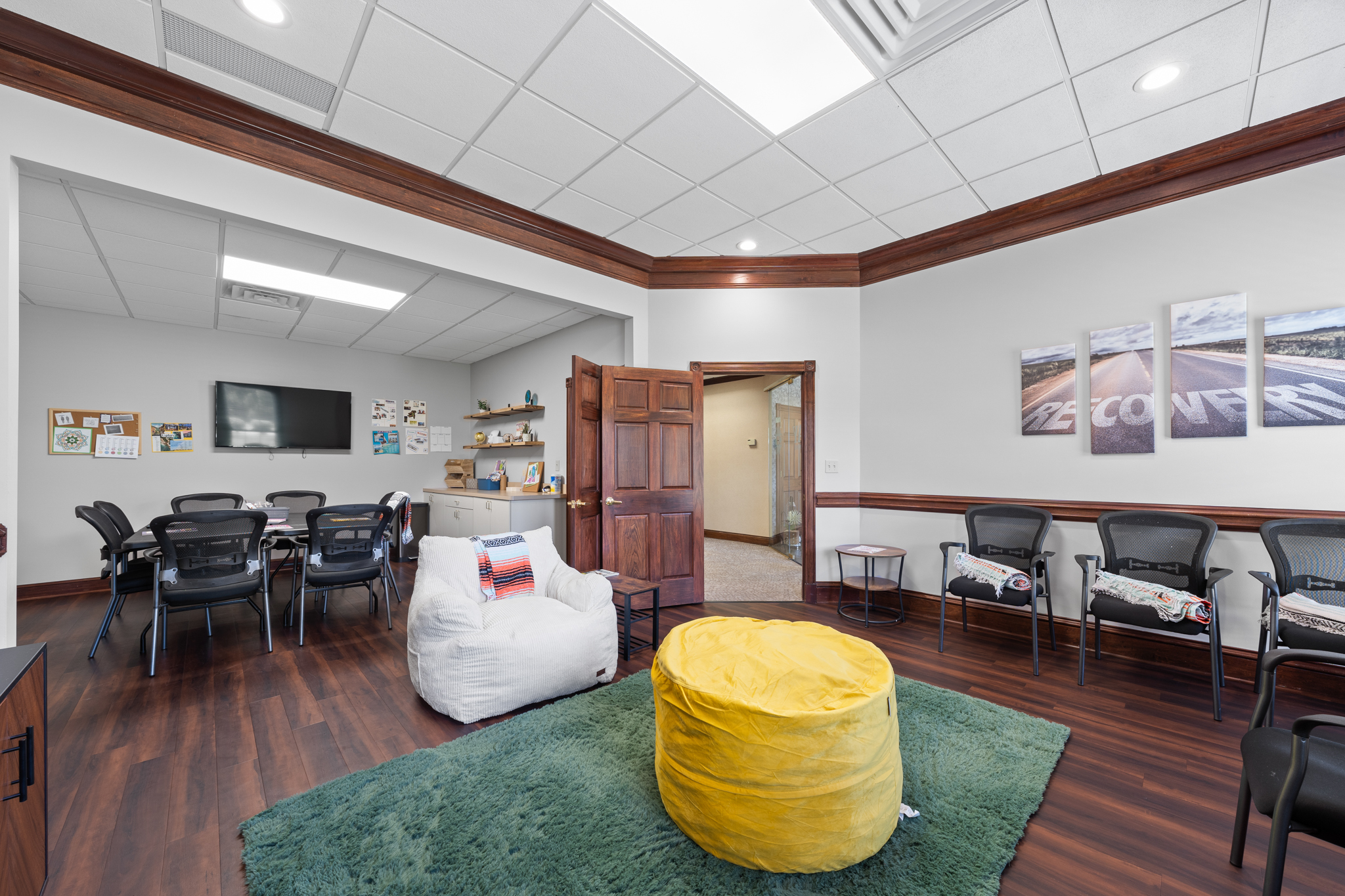
Here are the levels of care at Ray Recovery. Since all of our Ohio-based programs operate on an outpatient basis, clients can live at home or in sober housing while getting treatment. We provide sober housing connections for clients, which you are welcome to inquire about when you reach out to the Ray Recovery team.
Partial Hospitalization Program
The partial hospitalization program (PHP) at Ray Recovery provides immersive care in an outpatient environment. Our PHP clients participate in groups, individual therapy, and other activities catered to their unique needs five days per week for about five hours on each treatment day. Due to the time commitment required, lunch is provided for PHP clients at Ray Recovery.
Intensive Outpatient Program
The intensive outpatient program (IOP) at Ray Recovery is one step down from PHP in intensity. Rather than meeting for about 25 hours per week, as is the case with PHP, IOP sessions last for about three hours per day, three days per week. Ray Recovery offers daytime and evening IOP options so that you can opt for the treatment schedule that works best for you.
Virtual IOP
Virtual IOP at Ray Recovery has a time commitment similar to our in-person IOP. However, sessions take place online, allowing adults anywhere in Ohio to get mental health and addiction treatment from home.
Treatment Methods for Addiction and Mental Health
Ray Recovery uses the most evidence-based treatment methods for addiction and mental health. All clients seeking Akron mental health services at Ray Recovery will get personalized treatment plans. Your treatment with us may involve modalities including but not limited to:
- Dialectical Behavior Therapy.
- Motivational Enhancement Therapy.
- Acceptance and Commitment Therapy.
- Cognitive Behavioral Therapy.
- Medication-Assisted Treatment.
- Trauma Therapy.
- Family Therapy.
We also offer yoga, aromatherapy, and a wide range of other holistic practices as part of our approach to sustainable mental health care. Our team will work with you or your loved one to break through any barriers to treatment that may have gotten in the way in the past.
Mental Health and Addiction Treatment Near Akron and Canton
Our Hudson office at 1737 Georgetown Rd, Suite H/I, Hudson, OH 44236 is about 20 minutes from downtown Akron and serves Summit County. Our Uniontown office at 13680 Cleveland Ave NW, Uniontown, OH 44685 serves Canton, North Canton, Green and Stark County. Both offices offer the same care, and virtual IOP is available anywhere in Ohio.
Ray Recovery is accredited by the Joint Commission and licensed by the Ohio Department of Mental Health and Addiction Services, and our care is stigma-free. Most people start within a few days of their first call, after a short assessment and a free benefits check. Call 888.598.6299, any day from 8 a.m. to 9 p.m., or reach out online.
Frequently Asked Questions
Do you treat mental health conditions without addiction?
Our programs are built for adults whose mental health and substance use are connected. If you’re not sure whether that describes you, call us and our admissions team will help you figure out the right fit, even if that means pointing you to another provider.
What mental health conditions do you treat?
Anxiety disorders, depression, PTSD and trauma-related conditions, OCD, bipolar disorder, borderline personality disorder and other personality disorders, when they occur alongside substance use.
Is there mental health and addiction treatment near Akron or Canton?
Yes. Our Hudson office is about 20 minutes from Akron, and our Uniontown office serves Canton and Stark County. Virtual IOP is available anywhere in Ohio.
Do you provide psychiatric medication?
Psychiatric support and medication management come from our Medical Director and a psychiatric nurse practitioner, as part of the same plan that treats your substance use.
What if I'm in crisis right now?
Call or text 988 to reach the Suicide and Crisis Lifeline, or call 911 in an emergency. Outpatient treatment isn’t the right first step during a crisis.