
Most people are nervous about their first group therapy session. Sitting in a room with strangers and talking about addiction sounds exposing, maybe even pointless compared to one-on-one time with a therapist. That reaction is normal, and it’s also exactly backwards from how group therapy actually works once you’re in the room.
Group therapy is used in more than 93% of substance use disorder treatment facilities in the U.S., not because it’s cheaper to run than individual sessions, but because decades of research point to it producing something individual therapy structurally can’t: the experience of realizing you’re not the only one.
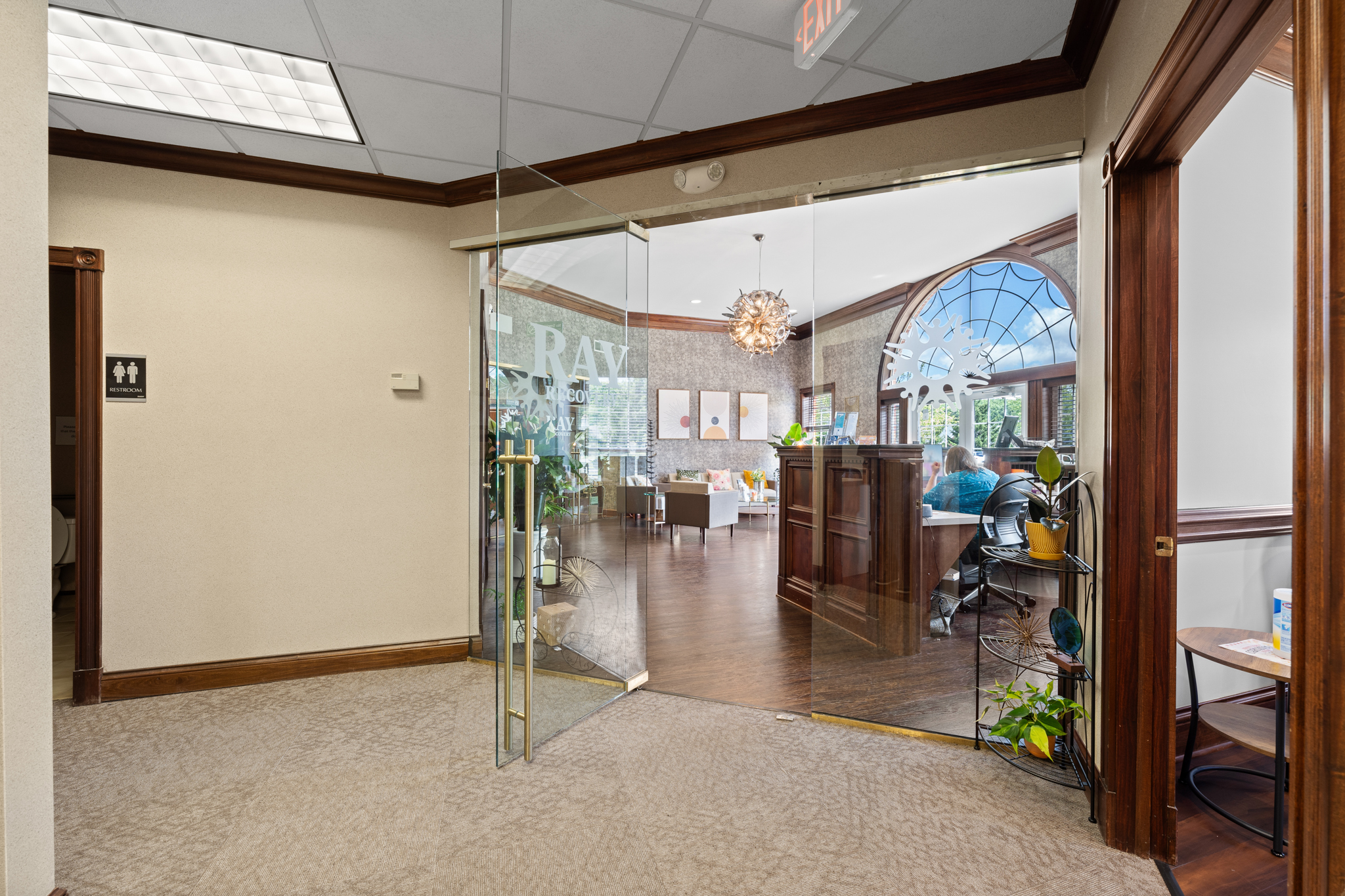
At Ray Recovery, we treat clients across Hudson and Uniontown, serving Akron, Canton, and the surrounding Northeast Ohio communities.
Call 888-598-6299 or reach out online if you have questions before your first session.
Why Group Therapy Works, Even If You Dread the Idea
Psychiatrist Irvin Yalom spent decades studying what actually helps in group settings, and identified specific mechanisms that show up again and again. A few that matter most in addiction treatment:
Universality. Hearing someone else describe the exact shame, the exact 3 a.m. thought, the exact lie you told your family, and realizing you’re not uniquely broken. This alone reduces the isolation that keeps a lot of people stuck.
Instillation of hope. Watching someone further along in recovery than you gives you concrete proof it’s possible, in a way a therapist telling you “it gets better” can’t replicate.
Altruism. Supporting someone else in the group, even in a small way, rebuilds a sense of self-worth that addiction tends to erode.
Corrective relational experience. For a lot of people, the family they grew up in didn’t model healthy conflict, support, or honesty. A well-run group can give you a different kind of relational experience to draw from.
Social learning. Watching how someone else handles a craving, a hard conversation, or a setback gives you a template you can actually use, not just an idea in theory.
SAMHSA’s clinical guidance on group therapy for substance use treatment specifically notes that people are more likely to stay sober and stay committed to treatment when it’s delivered in a group setting rather than individually alone.
What a Real Session Looks Like
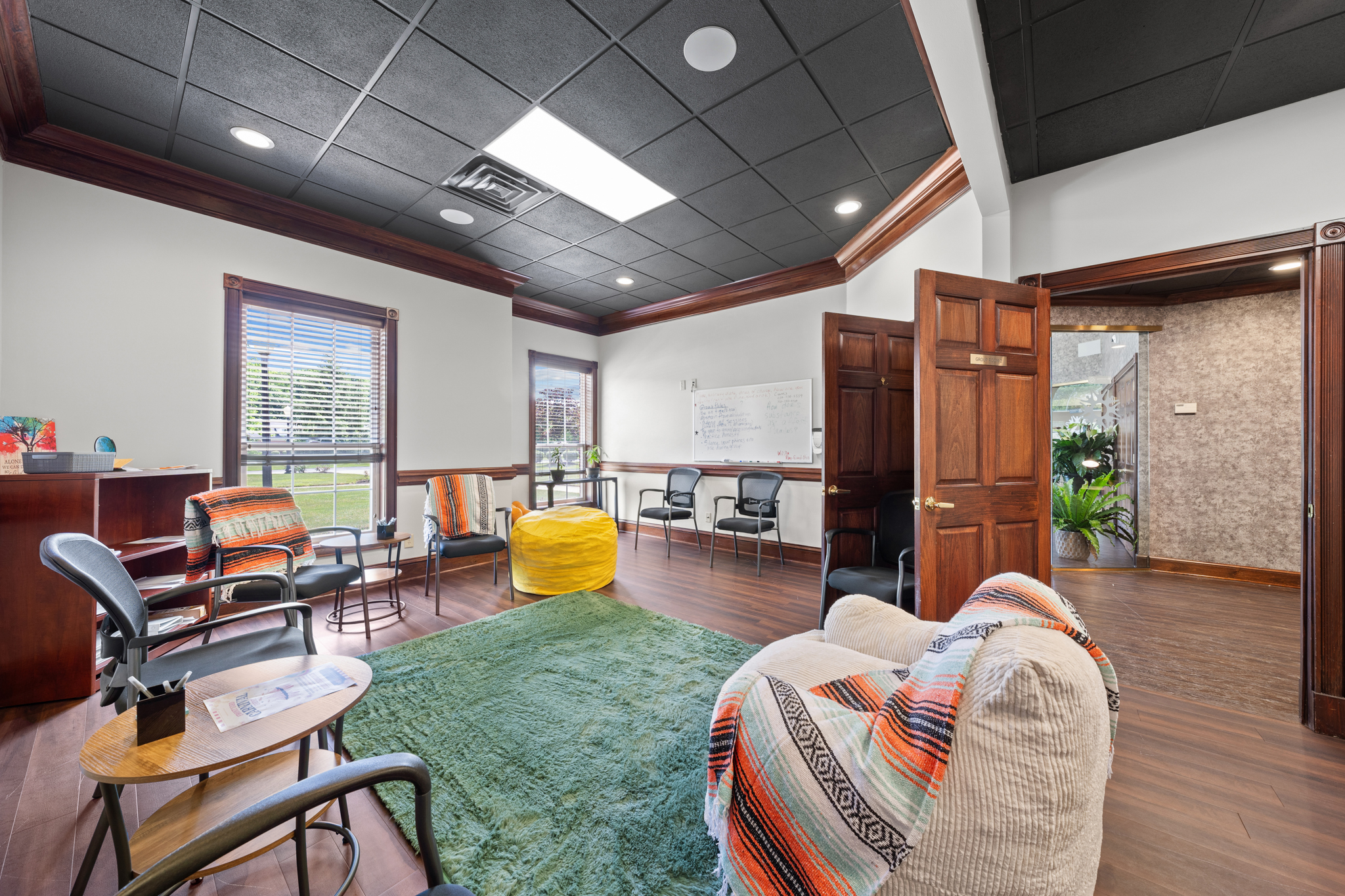
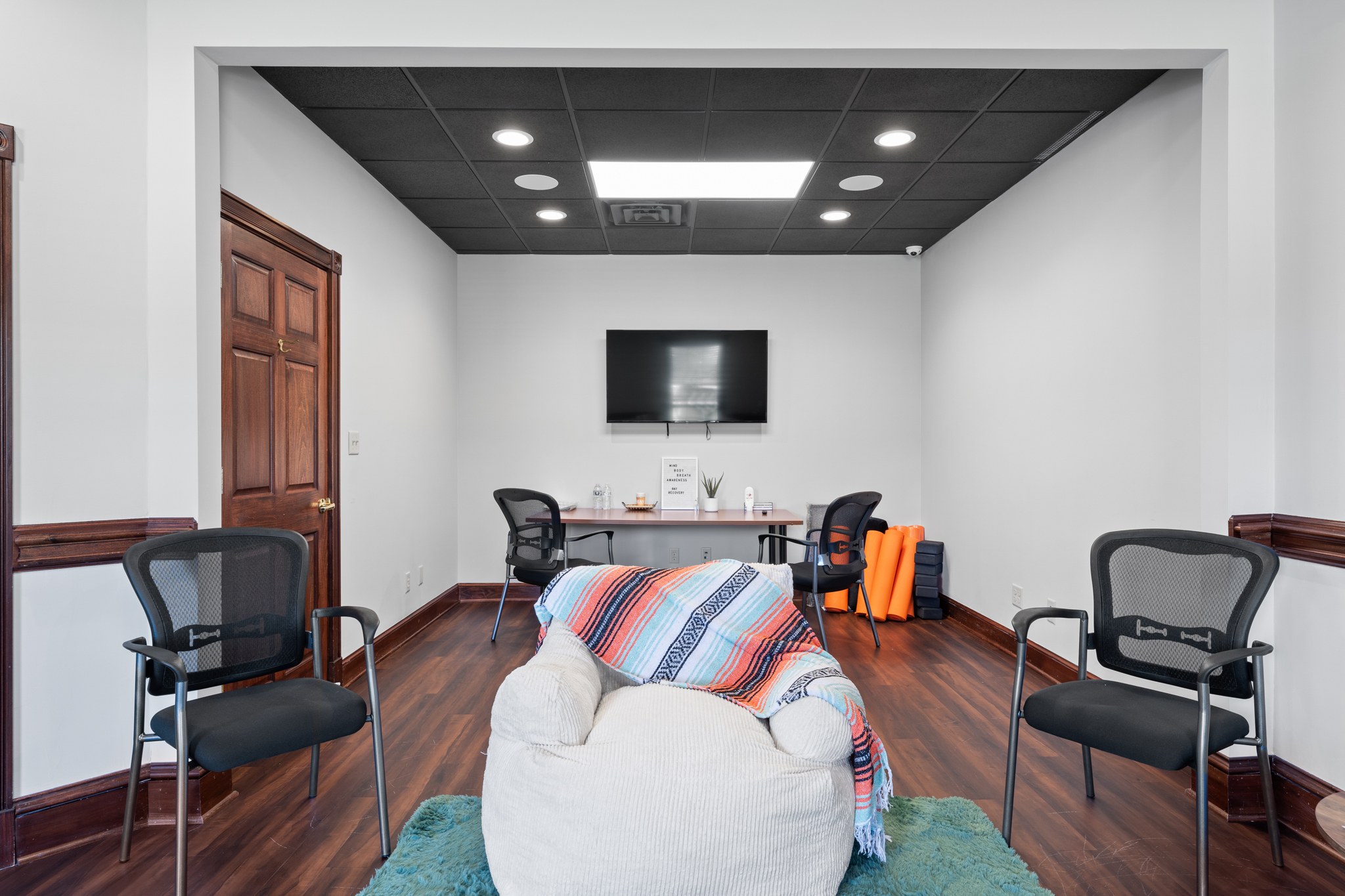
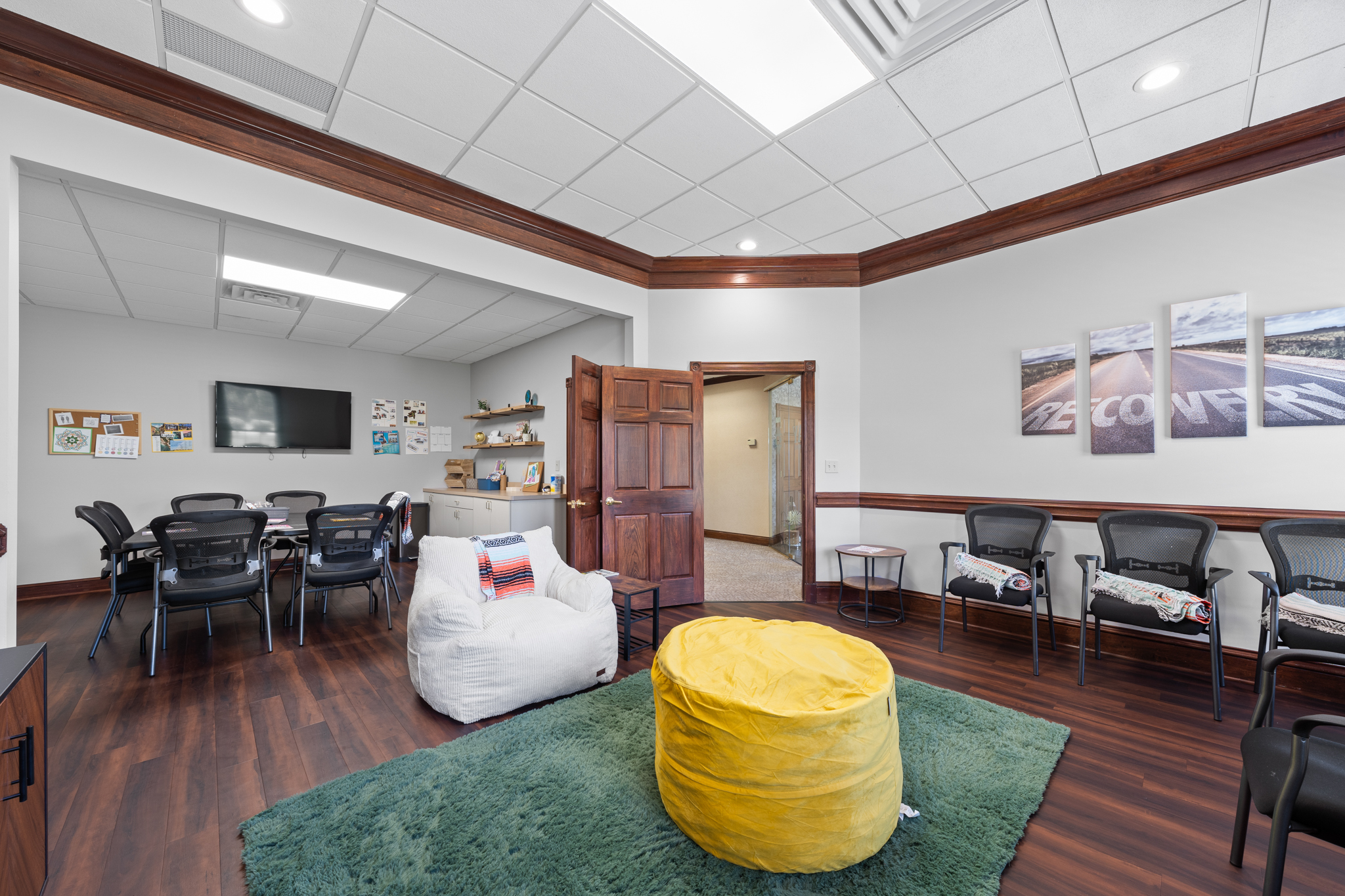
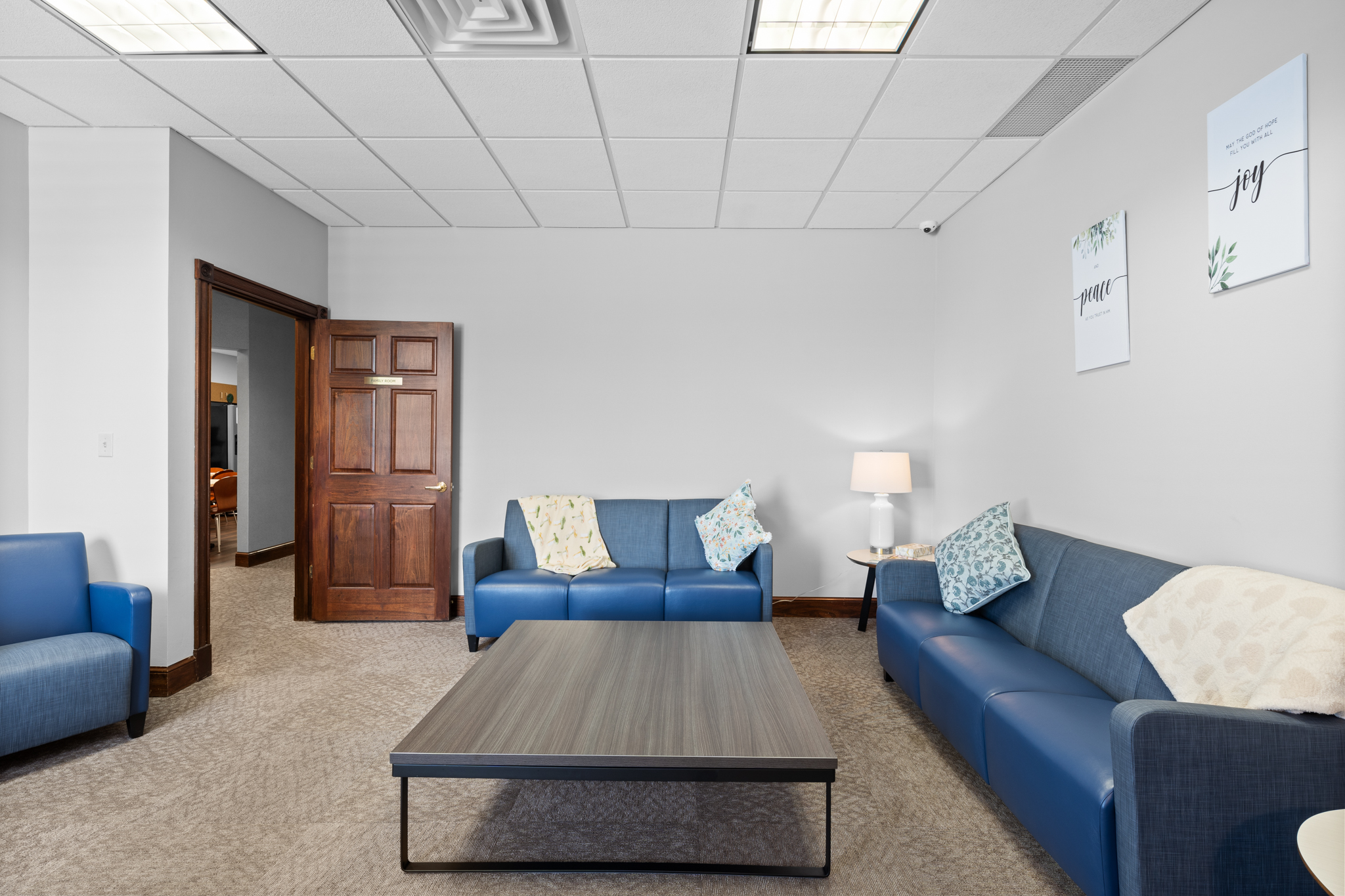
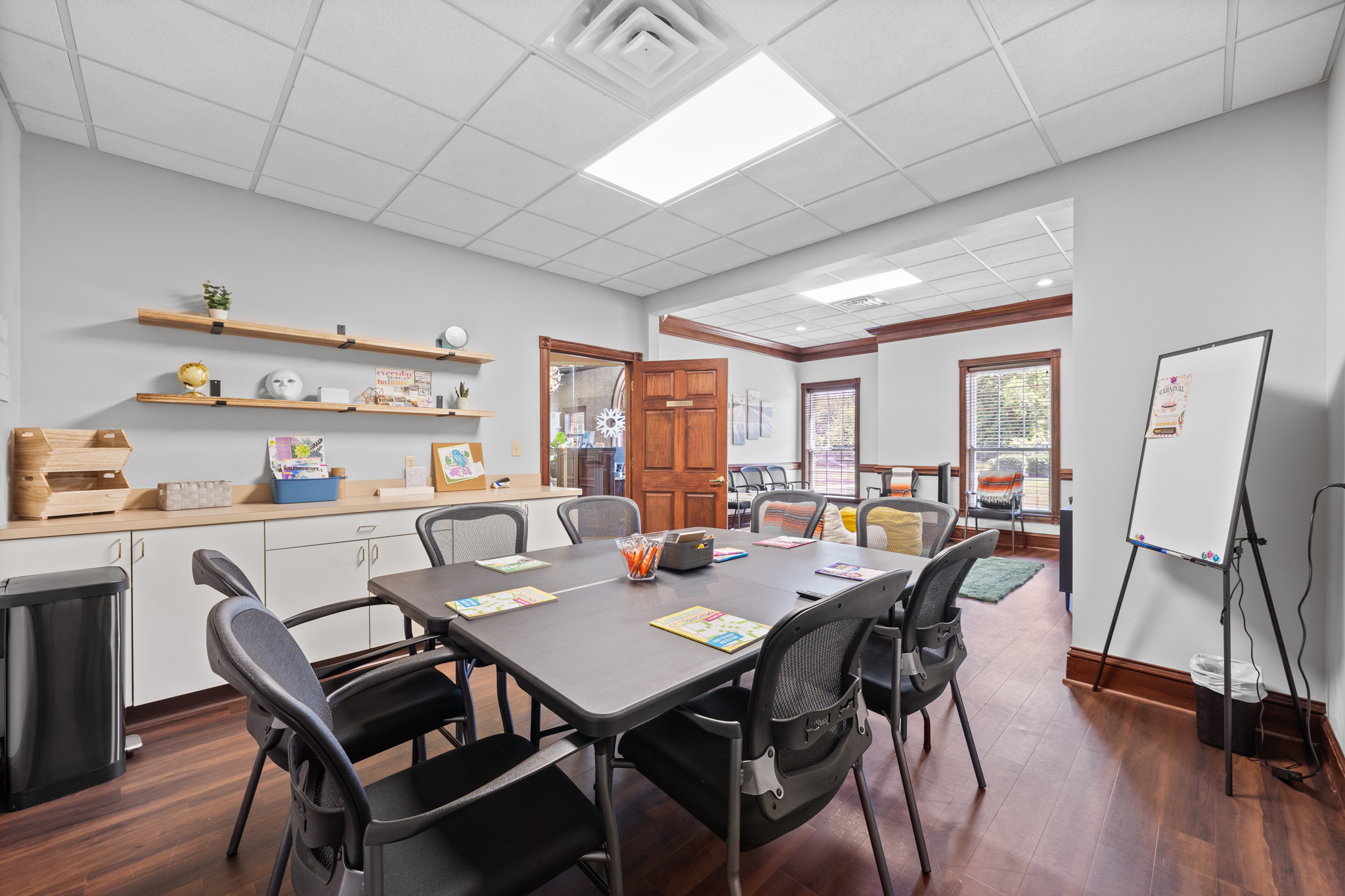
Groups at Ray Recovery run with roughly 6 to 12 people, the range research points to as the sweet spot, small enough that everyone gets real time to speak, large enough that you get a genuine range of perspectives. A licensed therapist facilitates, but the room isn’t a lecture. Depending on the day, a session might look like:
- A process group, where the focus is simply what’s happening for people right now, this week, in real recovery
- A psychoeducational group, covering something concrete like how cravings work in the brain or how to build a relapse prevention plan
- A skill-building group, practicing something specific like how to say no at a family gathering where alcohol is involved
- A peer support circle, less structured, more about connection and encouragement
You won’t be forced to share anything before you’re ready to. Most people find that changes fast once they see how the room actually works.