How Effective Is CBT for Addiction?
CBT has one of the strongest research bases of any addiction therapy. The Substance Abuse and Mental Health Services Administration has cited relapse rate reductions of up to 60% compared to standard treatment alone. A major meta-analysis of psychosocial interventions for substance use disorders found that CBT produced its strongest results when combined with other approaches, particularly incentive-based methods that reward measurable progress. This lines up with what the National Institute on Drug Abuse has found more broadly, relapse is common (an estimated 40 to 60% of people in recovery relapse at some point), and CBT is one of the tools shown to meaningfully lower that risk when it’s part of an ongoing treatment plan rather than a one-time fix.
CBT vs. ACT vs. DBT
CBT is often used alongside other therapies rather than on its own. Here’s how it compares to two others we offer:
| Therapy | What it focuses on | Best fit for |
|---|
| CBT | Identifying and directly changing negative thought patterns | Clients who respond well to structured, skills-based work |
| DBT | Emotional regulation and interpersonal skills | Clients with intense emotions or relationship conflict |
| ACT | Accepting thoughts and feelings, acting on values instead of fighting them | Clients who feel overwhelmed trying to control their thoughts |
Many clients benefit from a combination. Read more on how ACT and CBT differ in approach if you’re not sure which fits your situation.
Who CBT Helps Most
CBT works across a wide range of substance use disorders, including alcohol, opioids, and stimulants. It’s particularly effective for clients who:
- Want a structured, skills-based approach rather than open-ended talk therapy
- Are dealing with a co-occurring condition like anxiety or depression alongside substance use
- Have specific, identifiable triggers they want to work through systematically
- Have relapsed before and want a concrete plan for high-risk situations
What CBT Looks Like in Treatment
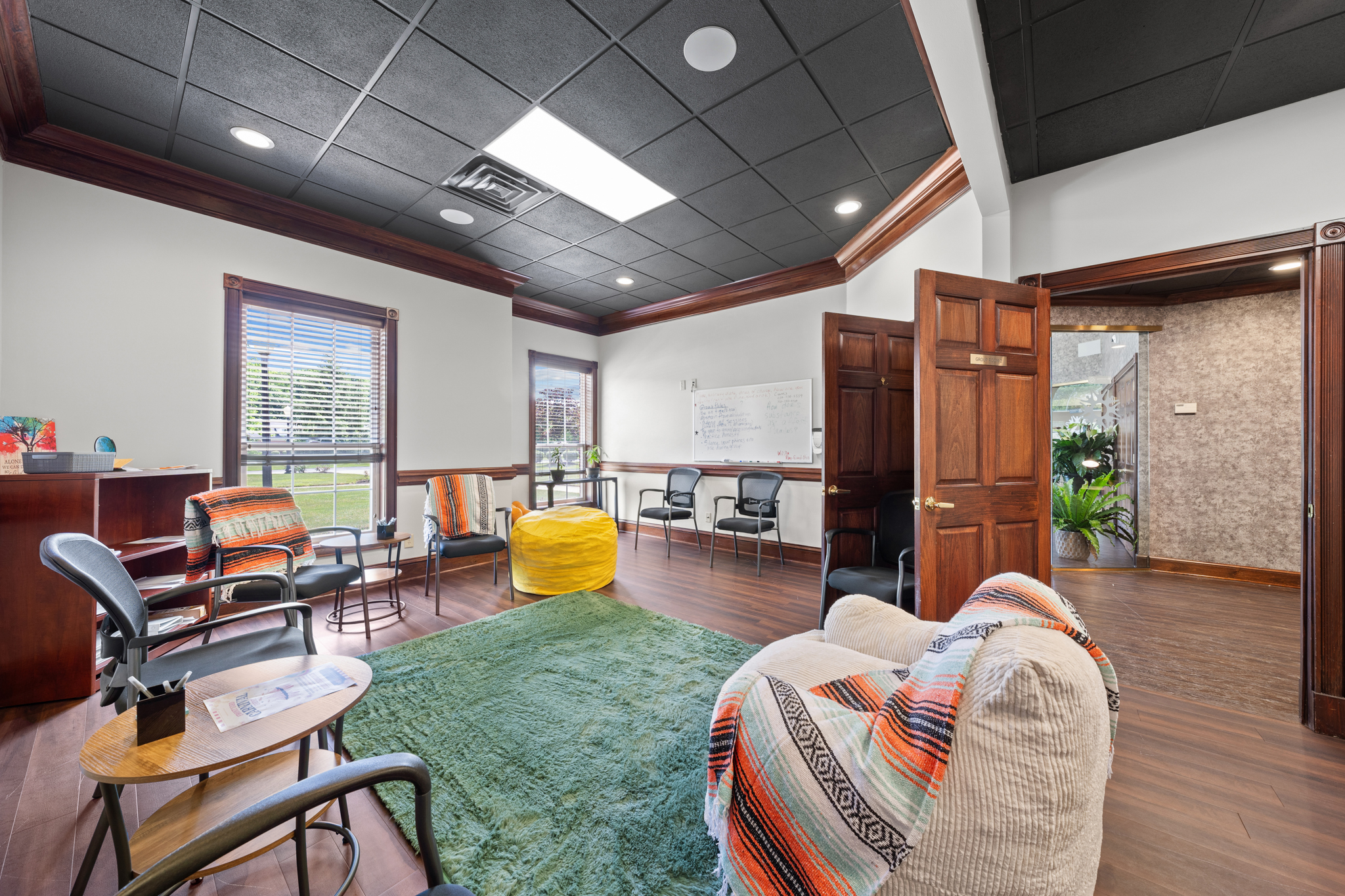
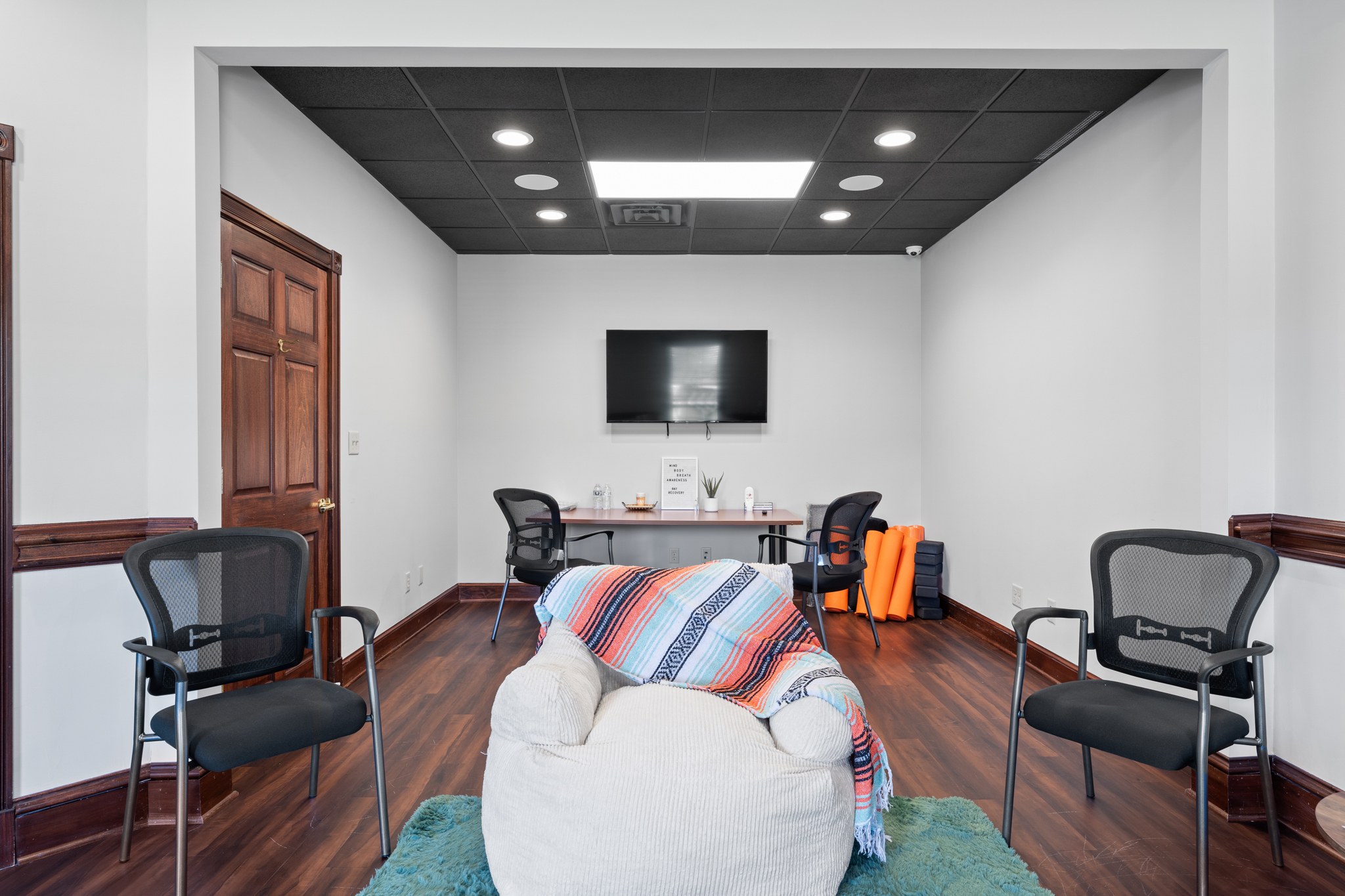
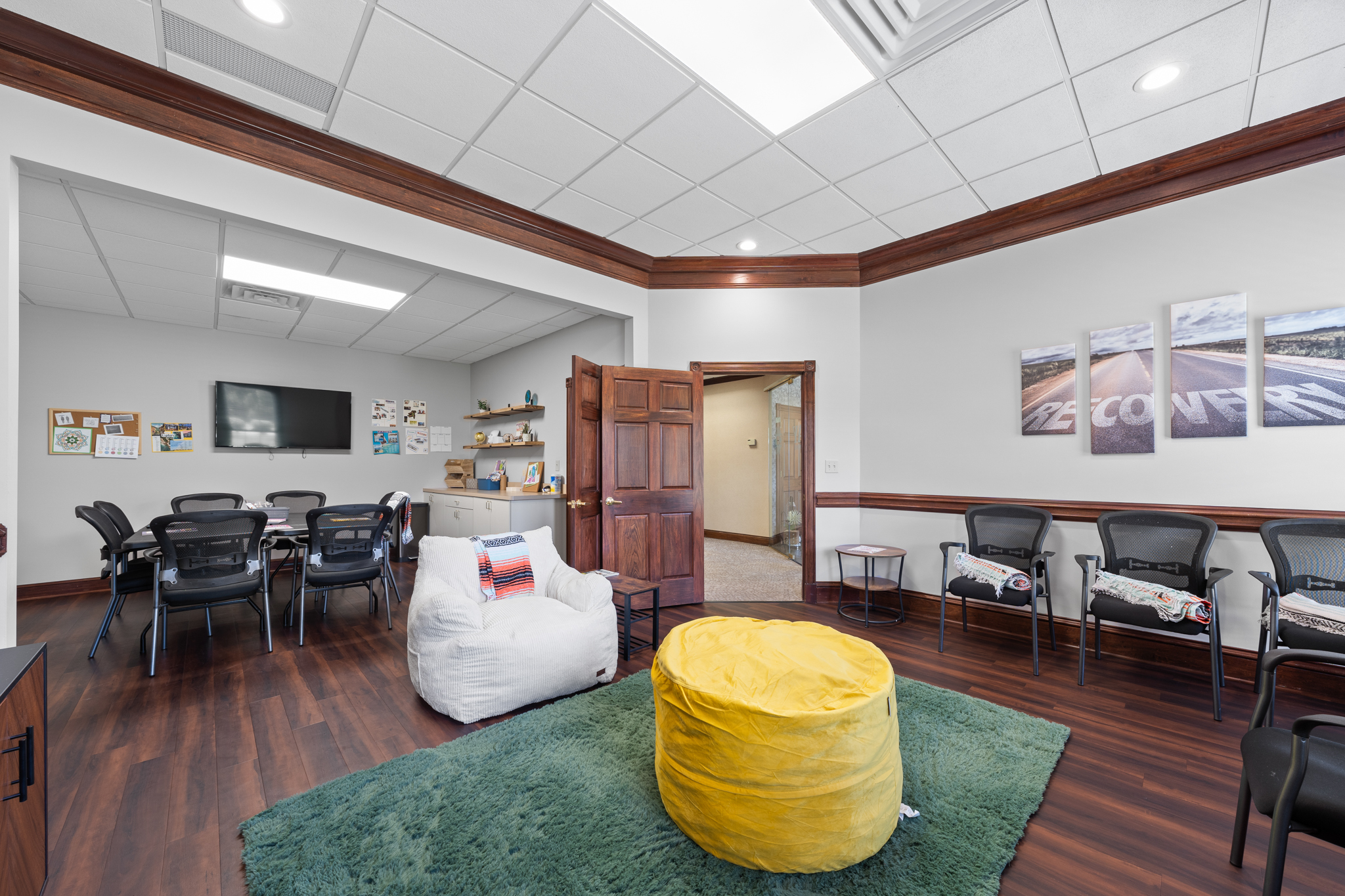
CBT sessions happen both individually and in group settings as part of our Intensive Outpatient and Partial Hospitalization programs. Your treatment plan is built from a clinical assessment, and CBT is typically combined with group therapy, family therapy, or dual diagnosis treatment depending on what else is present alongside the substance use.
Frequently Asked Questions
How is CBT different from regular talk therapy?
CBT is more structured and goal-directed. Instead of open-ended conversation, sessions target specific thought patterns and behaviors, often with exercises or homework between sessions.
How long does CBT for addiction typically take?
This varies by individual, but CBT is usually delivered over weeks to months as part of a broader treatment program, with skills continuing to be reinforced during aftercare.
Can CBT be combined with medication-assisted treatment?
Yes. CBT is commonly used alongside MAT, particularly for opioid and alcohol use disorders, since the medication addresses physical dependence while CBT addresses the thought patterns and behaviors driving use.
Does insurance cover CBT for addiction treatment?
Yes, when it’s part of a covered treatment program. We work with Anthem, Humana, Medicare, and Ohio Medicaid. Verify your benefits for free before starting.
Get Started
If you’re ready to understand the thought patterns behind your substance use and build something that actually holds up under pressure, CBT may be a strong fit. Call 888-598-6299 or start your pre-assessment to talk with our team.