
If you’re searching for alcohol rehab near Akron, OH, you’re already taking the hardest step, which is deciding to get help. Ray Recovery is an outpatient drug and alcohol rehab center based in Hudson, with a second location in Uniontown, both a short drive from Akron and the rest of Summit County. We built our substance abuse treatment programs around real, evidence-based care instead of a one-size-fits-all schedule.
Alcohol-related deaths remain one of the most preventable causes of death in the United States, and outpatient treatment gives people a way to get real clinical support without putting their job, their kids, or their daily life on hold. We regularly work with clients from Akron, Cuyahoga Falls, Stow, Tallmadge, and Barberton, along with the rest of Summit County. Call 888.839.2606 to talk with our team about what treatment could look like for you or someone you love.

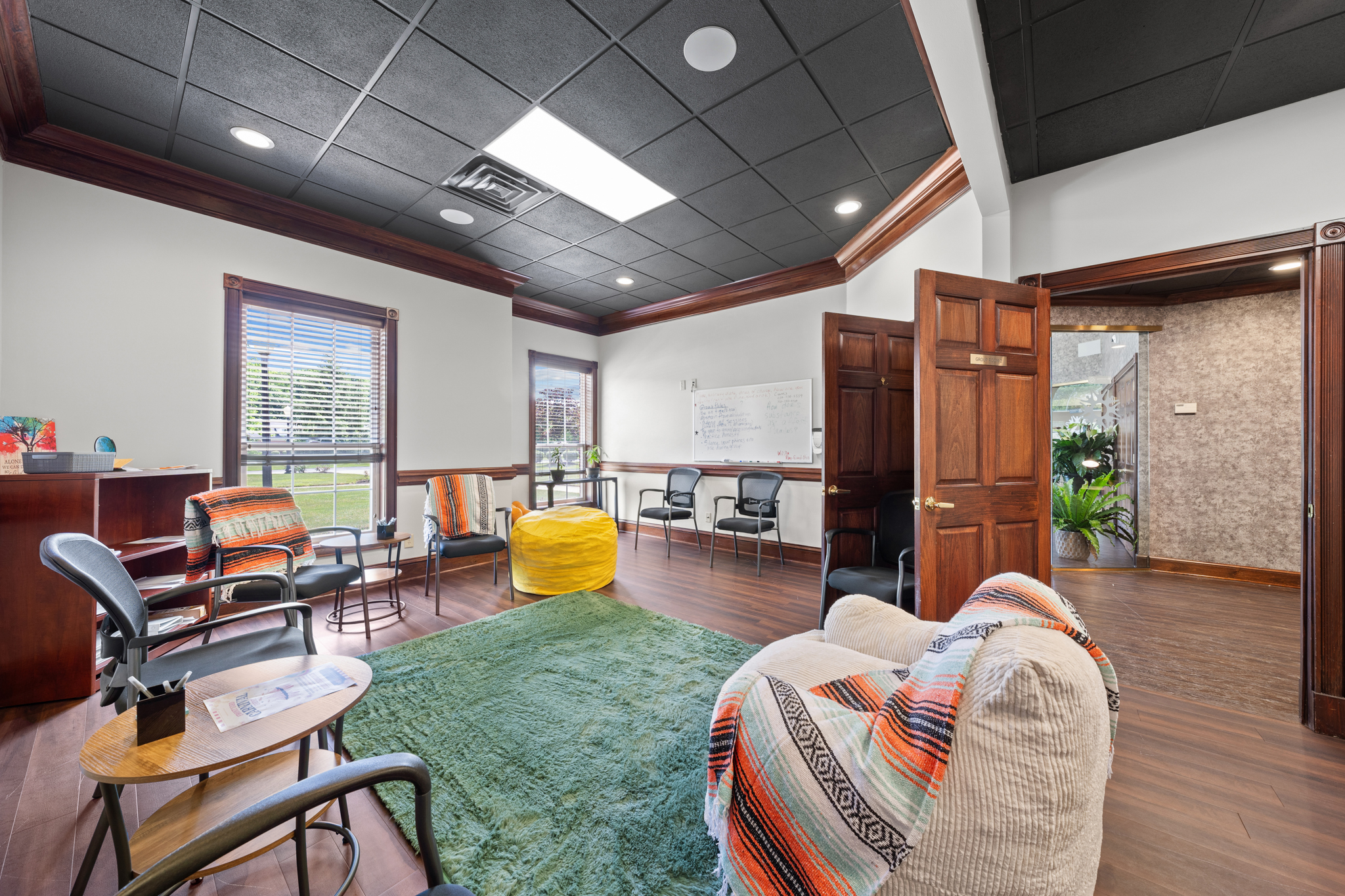
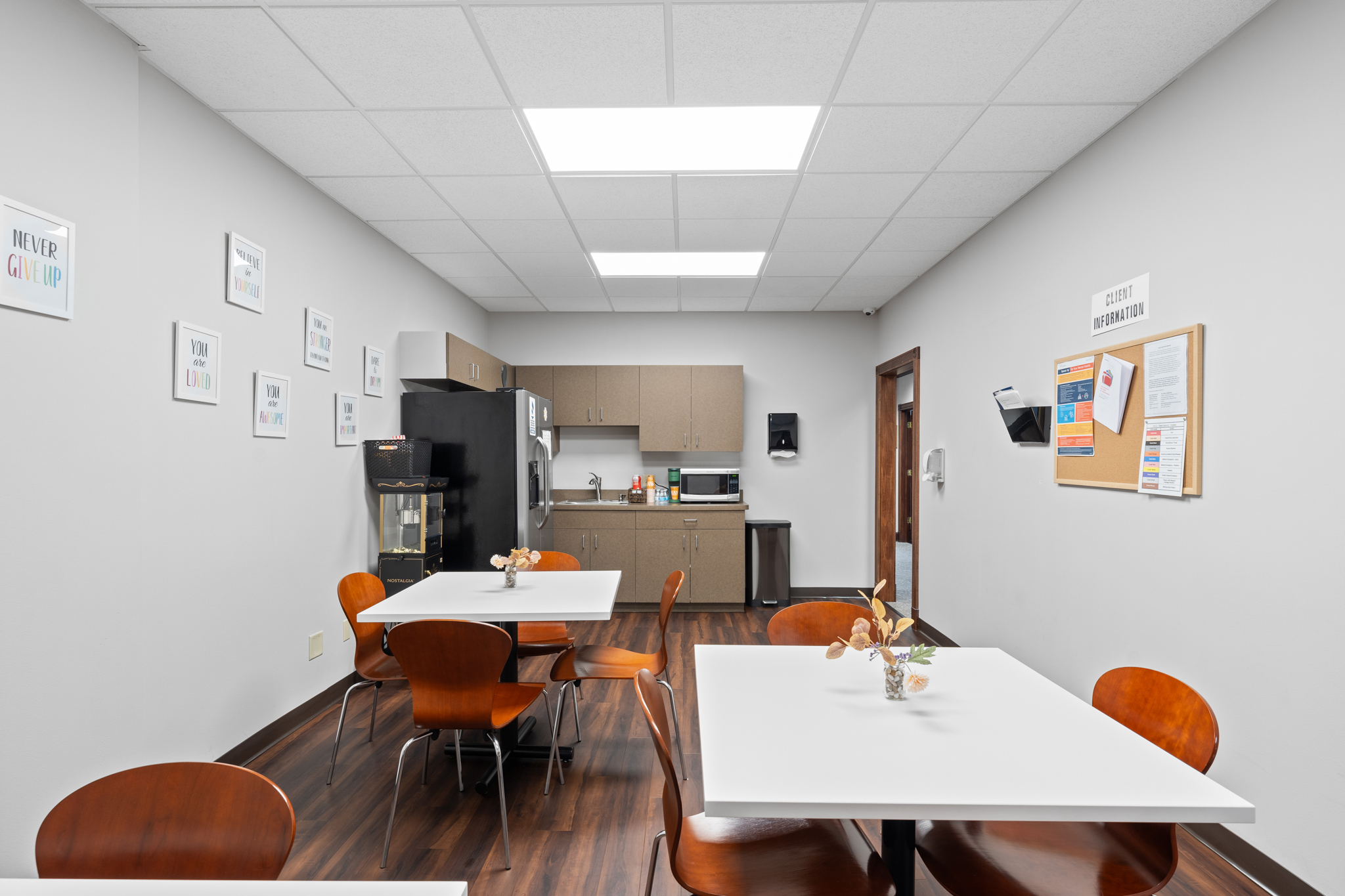
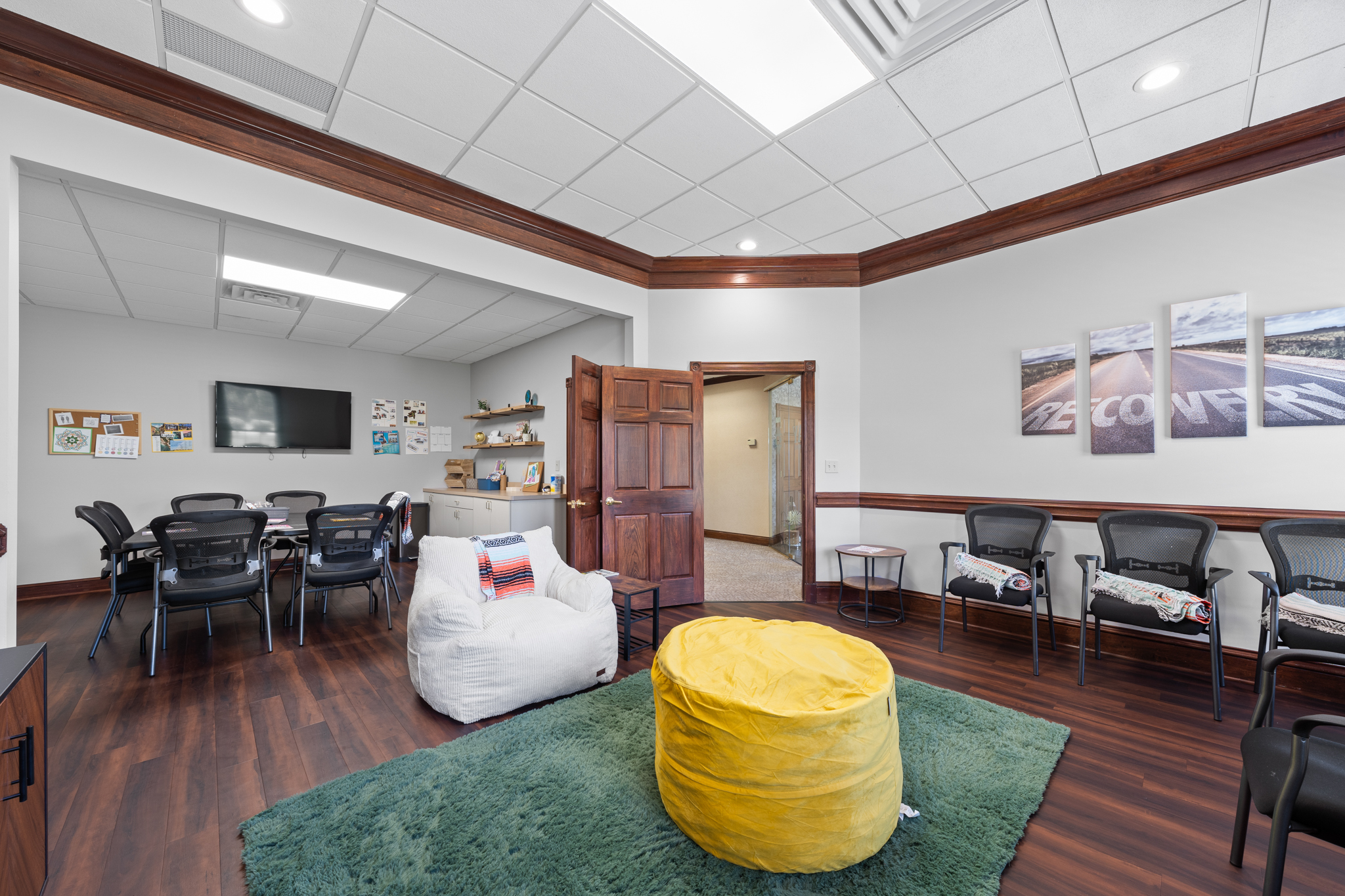
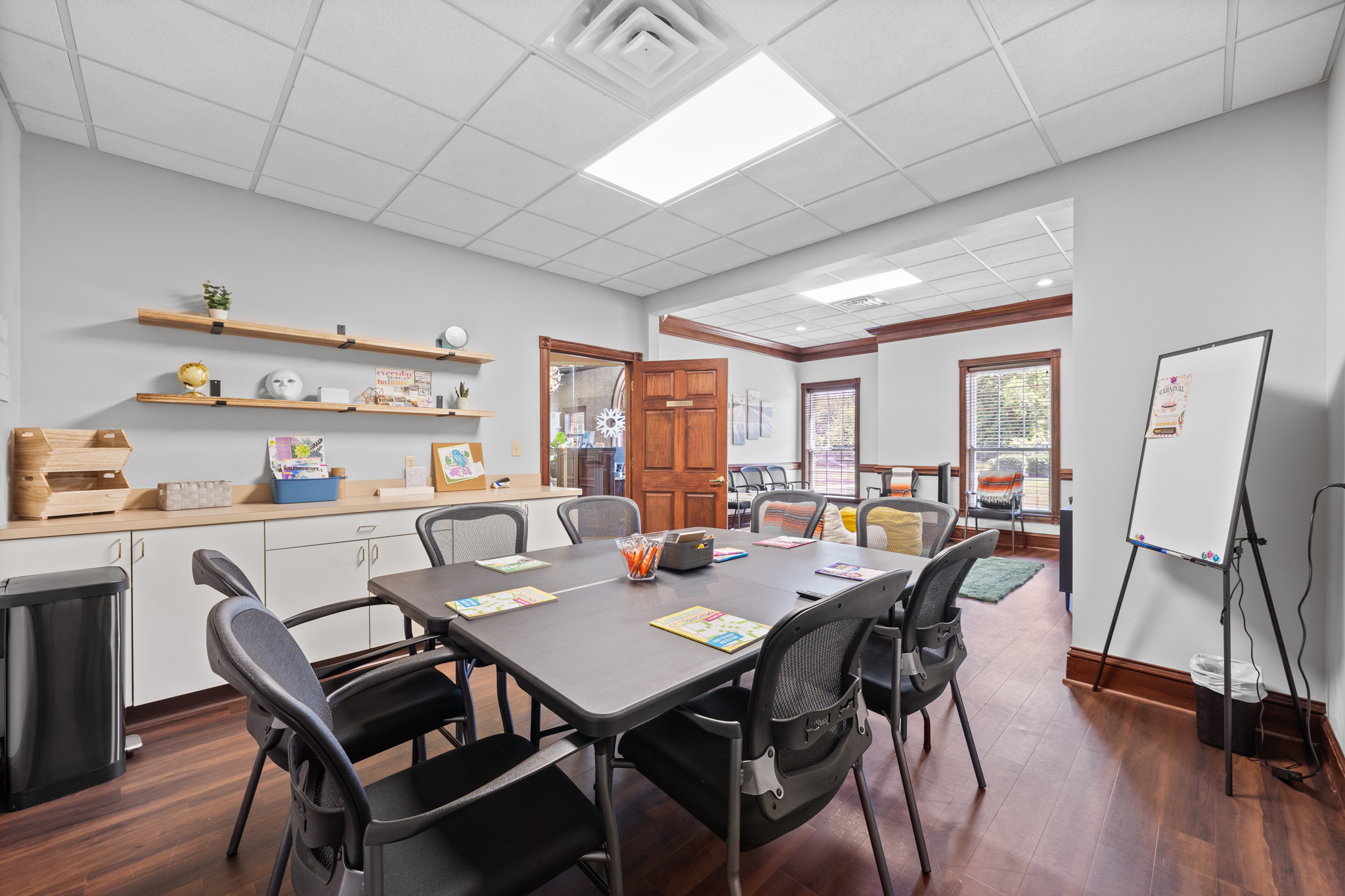
What Our Alcohol Rehab Near Akron Actually Offers
A lot of outpatient programs describe themselves the same way. Here’s what that actually means day to day at Ray Recovery:
- A treatment plan built around you, not a fixed script every client follows
- Evidence-based therapy, including cognitive-behavioral therapy, dialectical behavior therapy, and motivational interviewing
- Support for co-occurring conditions through our dual diagnosis program, since anxiety and depression show up alongside alcohol use more often than not
- A schedule that fits around work or school, through either our partial hospitalization program or our intensive outpatient program
- Aftercare that doesn’t end when treatment does, through our alumni program and ongoing support groups
Clients who complete our alcohol program consistently tell us the same things changed for them: better sleep, steadier relationships at home, less anxiety day to day, and a clearer sense of what their life looks like without alcohol running it.
Words From Our Clients
Therapy Approaches We Use for Alcohol Addiction
Every client’s plan looks a little different because every client’s relationship with alcohol is different. Depending on what’s driving your alcohol use and what else is going on in your life, your plan may draw from:
- Cognitive-behavioral therapy (CBT), to work through the thought patterns that keep the cycle going
- Dialectical behavior therapy (DBT), especially helpful when emotional regulation is part of the picture
- Motivational interviewing, for clients who are still weighing whether they’re ready for change
- Group therapy, where a lot of our clients say the real breakthroughs happen
- Family therapy, because alcohol addiction rarely affects just one person in a household
- Rational emotive behavior therapy and contingency management, used selectively based on what a client responds to
If you’re not sure which approach fits, that’s a normal place to start. Our team walks through this with you before treatment even begins, not after.
Insurance We Accept
Cost stops a lot of people from calling, so here’s the honest answer upfront. Ray Recovery is an in-network provider for Medicaid, Humana Medicaid, Dual Medicare, Tricare, VA Community Care Network, CareSource, and Medical Mutual. We verify your specific benefits before you commit to anything, so you know your real cost, not a rough estimate, before treatment starts.




Reach Out to Us Today
"*" indicates required fields
Signs of Alcoholism
The signs of alcoholism look different from person to person, but a few patterns show up often:
- Needing more to feel the same effect. Tolerance builds, and what used to be two drinks becomes four or five.
- Withdrawal symptoms when you cut back. Tremors, sweating, nausea, anxiety, or in serious cases, seizures.
- Not being able to stop once you start. Drinking more, or longer, than planned, on a regular basis.
- Thinking about alcohol more than you’d like to. Planning around it, craving it, or feeling relief the moment you get one.
- Drinking through consequences. Health problems, relationship strain, legal trouble, or issues at work that don’t change the pattern.
- Letting responsibilities slide. Missed work, skipped family obligations, commitments that quietly stop happening.
- Strain in relationships. Conflict with people close to you, or pulling away from them to drink without being noticed.
- Behavior that shifts while drinking. Increased aggression, poor judgment, or blackouts.
- Trying to cut back and not managing it. Wanting to drink less, attempting to, and finding it doesn’t stick.
- Using alcohol to manage feelings. Stress, anxiety, depression, and reaching for a drink instead of another way to cope.
- Minimizing it when someone brings it up. Getting defensive, or insisting it’s not as bad as it looks from the outside.
One or two of these on their own don’t necessarily mean alcoholism. But if several sound familiar, it’s worth talking to someone. That conversation with our admissions team doesn’t commit you to anything, it just gives you real information about your options.
What to Expect From Outpatient Alcohol Treatment
Length of treatment depends on the person. Most clients in our outpatient programs stay anywhere from six weeks to several months, depending on how they’re progressing and what level of care they need along the way.
Outpatient treatment works well for people who don’t need 24-hour supervision but do need real structure and accountability. That’s most people. You keep your job, stay in your home, and stay connected to your family while getting clinical support several times a week. The earlier someone reaches out, the more options tend to be on the table, so if you’re on the fence, reaching out now costs you nothing and tells you where you actually stand.
Frequently Asked Questions
How long does alcohol rehab take?
For outpatient programs like ours, treatment typically runs from six weeks to several months. It depends on how you respond to treatment and how severe the alcohol use has become. We reassess regularly rather than locking everyone into the same timeline.
What's the difference between PHP and IOP for alcohol treatment?
Partial hospitalization (PHP) means more hours per week and more structure, closer to a full-time commitment during the day. Intensive outpatient (IOP) asks for fewer hours, which works better if you’re keeping a job or going to school during treatment. Most clients start with whichever level matches how much support they need right now, and can move between them as that changes.
Is outpatient treatment enough for alcohol addiction, or do I need inpatient?
For mild to moderate alcohol use disorder, outpatient treatment is often enough, especially when it includes real therapy and medical oversight, not just meetings. If your use is more severe or you have a history of dangerous withdrawal, we’ll talk that through honestly during your assessment rather than placing you in a program that isn’t the right fit.
How much does alcohol rehab cost near Akron?
Cost depends on your insurance, the level of care you need, and how long treatment runs. Most clients pay far less than the sticker price once insurance is applied. We break down what actually affects the cost of rehab in Ohio in detail, but the fastest way to get a real number is to have us verify your benefits directly.
Does insurance cover alcohol rehab?
Most insurance plans cover outpatient alcohol treatment, including IOP and medication-assisted treatment. We verify your benefits before you commit to anything, so you know your actual cost upfront.
Is sober living the same as rehab?
No. Sober living is a supportive place to live after treatment, it doesn’t include clinical care. Rehab, including what we offer, provides the actual structured treatment: therapy, medical support, and a plan for staying sober once you leave.
What happens after I finish the program?
Treatment doesn’t just end. Clients move into our alumni program for ongoing support, and we help build an aftercare plan before you finish, not after.
Get Help Today
If you or someone you love is struggling with alcohol, you don’t have to figure out the next step alone. Our team at Ray Recovery, serving Akron and the rest of Summit County from our Hudson and Uniontown locations, can walk you through your options, your insurance, and what treatment would actually look like for your situation.
Call 888.839.2606 or reach out online to get started today.