
Getting sober is only part of recovery. The therapy you do alongside it is what usually determines whether that recovery holds. At Ray Recovery, we treat addiction using the same evidence-based methods used in leading treatment centers nationwide, matched to what each client is actually carrying, whether that’s the addiction alone or a mental health condition sitting underneath it.
We treat clients from our facilities in Hudson and Uniontown, serving Akron and Summit County, Canton and Stark County, and the surrounding communities across Northeast Ohio.
Call 888-598-6299 or reach out online to talk with our admissions team about which therapy approach fits your situation.
Our Therapy Services
Every client’s treatment plan is built during intake, based on a clinical assessment, not assigned off a checklist. Below are the therapies we offer and what each one is actually good at.
Cognitive Behavioral Therapy (CBT)
CBT identifies the thought patterns that drive substance use and replaces them with ones that support recovery. It’s one of the most researched therapies for addiction and works well for clients dealing with anxiety or depression alongside substance use.
Dialectical Behavior Therapy (DBT)
DBT builds skills for managing intense emotions, tolerating distress, and staying in difficult relationships without turning to substances. It’s especially effective for clients with emotional dysregulation or a history of self-harm.
Acceptance and Commitment Therapy (ACT)
ACT teaches clients to sit with uncomfortable thoughts and cravings instead of fighting them, while building a life around what actually matters to them. It works well for clients who’ve tried to white-knuckle their way through cravings before.
Motivational Enhancement Therapy
This short-term approach draws out a client’s own reasons for changing, rather than handing them someone else’s script. It’s often used early in treatment, especially for clients who are ambivalent about getting sober.
Trauma Therapy
Many people using substances are also carrying unresolved trauma. This therapy helps process past experiences so they stop driving present behavior, often working alongside EMDR for clients who need it.
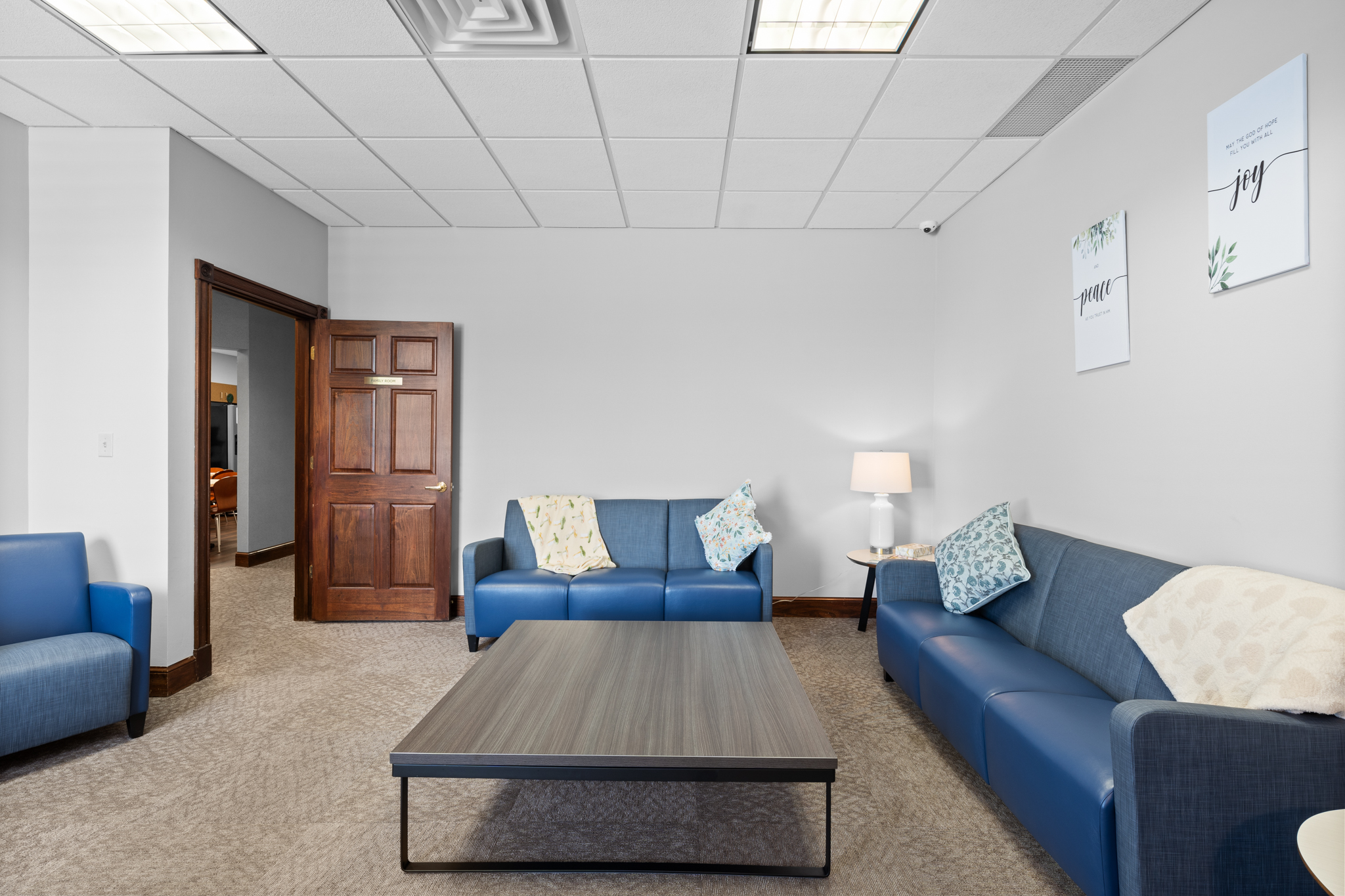
Family Therapy
Addiction affects the whole household, not just the person using. Family sessions rebuild trust, improve communication, and teach loved ones how to support recovery without enabling relapse.
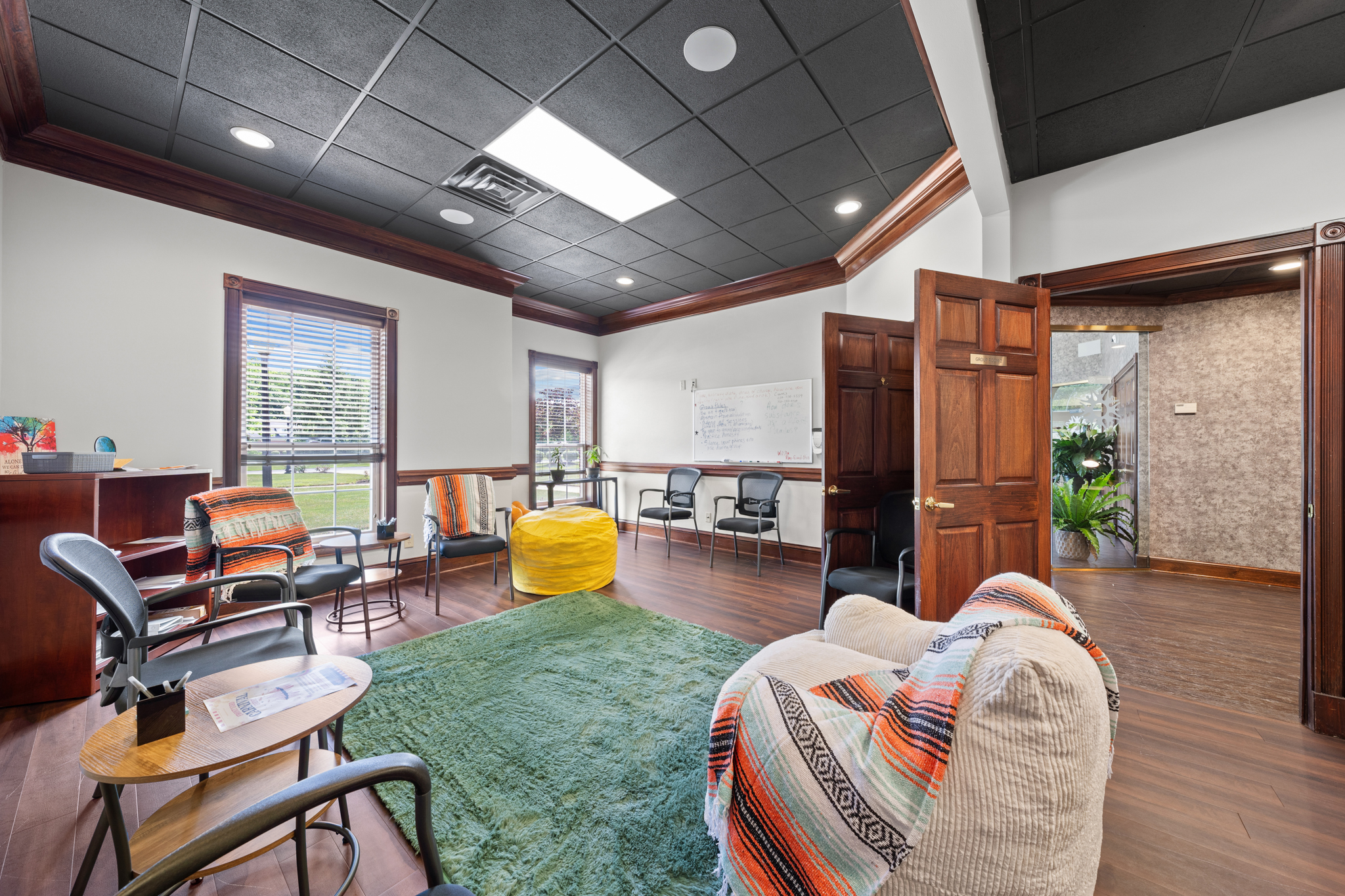
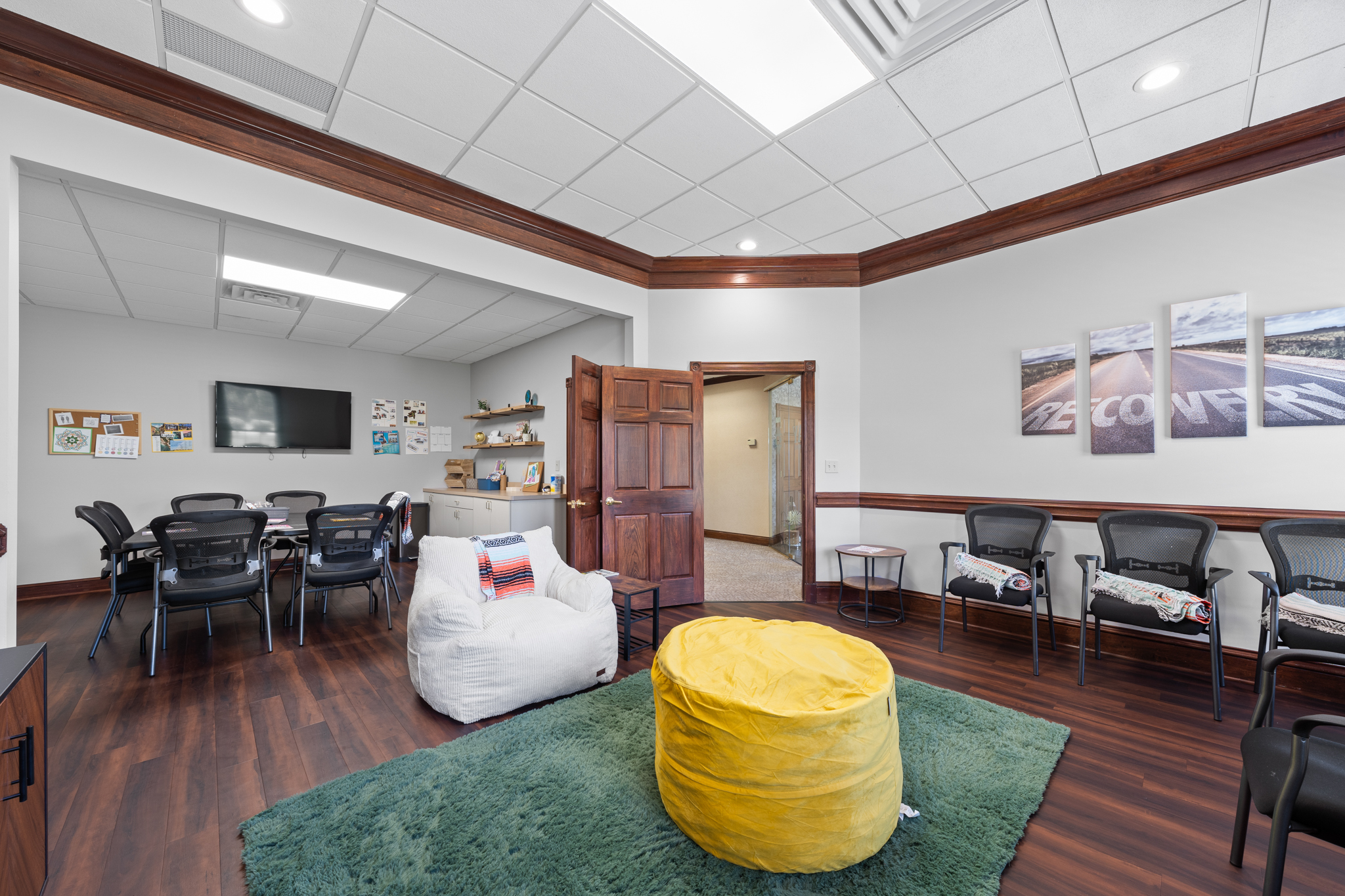
Group Therapy
Group sessions connect clients with peers who understand what they’re going through firsthand. It’s one of the most consistent parts of treatment across every level of care we offer.
Holistic and Meditative Therapy
Breathwork, mindfulness, and movement-based practices support the nervous system regulation that clinical therapy alone doesn’t always reach. Learn more about our meditative therapy approach.
Dual Diagnosis Treatment
When a mental health condition and substance use disorder happen together, treating only one usually causes the other to pull a client back. Dual diagnosis care treats both at the same time, using a combination of the therapies above along with psychiatric support from our Medical Director.