
Quick answer: Sober living is a substance-free, structured home for people who’ve finished or are still in treatment, meant to bridge the gap between a…
Ray Recovery Blog
Quick answer: If you’re searching for rehab anywhere in Canton, North Canton, Plain Township, Jackson Township, or Perry Township, the town you live in matters…
Quick answer: Cuyahoga Falls, Silver Lake, and Streetsboro all fall within easy reach of Ray Recovery’s Hudson and Uniontown locations, with outpatient programs including PHP,…
Quick answer: Ray Recovery’s Uniontown location at 13680 Cleveland Ave NW runs the same clinical programs as our main Hudson facility, PHP, IOP, virtual IOP,…
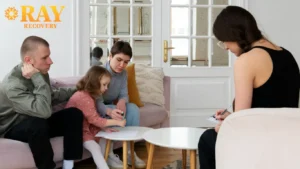
Quick answer: Once your adult child agrees to outpatient treatment, your role shifts from convincing them to get help to helping them actually follow through…
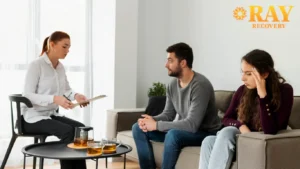
Quick answer: Rootstown doesn’t have a treatment center inside town limits, but that doesn’t mean help is far away. Families here typically start with a…

Quick answer: Borderline personality disorder (BPD) and substance use disorder co-occur at strikingly high rates, with studies estimating anywhere from 45% to 78% of people…

Quick answer: Military service, particularly combat exposure, significantly increases the risk of substance use disorder, largely through its connection to PTSD, chronic pain from service-related…

If you’ve seen headlines about Ozempic and drinking less alcohol, you’re not imagining it. Over the past year, several real clinical studies have looked at…

If you’re searching for drug rehab in Akron Ohio, you’ve probably already noticed the search results are a mess. Directory sites, paid hotlines, and listings…