
- Medically Reviewed By: Dan Smith, LISW-S, LICDC
- Updated: November 10, 2026
Ray Recovery offers outpatient OCD treatment for adults who are facing OCD and substance use together, through an OCD-informed intensive outpatient program (IOP), partial hospitalization program (PHP) and virtual IOP. Treatment uses cognitive behavioral therapy with exposure and response prevention (ERP), at our Hudson office near Akron and our Uniontown office near Canton.
| Who it’s for | Adults with OCD alongside drug or alcohol use |
| Levels of care | PHP (about 25 hours a week), IOP (about 9 hours a week, daytime or evening) and virtual IOP anywhere in Ohio |
| Core therapy | CBT with exposure and response prevention (ERP), plus DBT, ACT and family therapy |
| Medication | Medication management for mental health and addiction |
| Locations | Hudson (Akron and Summit County) and Uniontown (Canton and Stark County) |
| Cost | Covered by insurance, with scholarships available |
The lifetime prevalence of obsessive-compulsive disorder (OCD) in United States adults is about 2.3 percent. While OCD is a common mental health condition, it is often highly misunderstood by the general public due to stereotypes and the diverse ways it can present. Getting help at a treatment center that truly understands OCD is critical for this reason.
Ray Recovery provides outpatient OCD treatment at our Hudson office near Akron and our Uniontown office near Canton for clients facing OCD and addiction, including many who come to us from the Cleveland area. Our expert-level clinical team is here to help you or your loved one facing addiction and OCD heal from a whole-person perspective.
How OCD Relates to Substance Abuse and Addiction
Having a mental health disorder like OCD can increase your risk of substance abuse or addiction. Sometimes, people with OCD use substances to cope with symptoms like intrusive thoughts, which can be painful and challenging to live with. Research suggests that, in those who have both a substance use disorder and OCD, OCD usually comes first (about 70 percent of the time). Additionally, OCD and substance use disorders share some of the same risk factors, like trauma. Considering how OCD relates to substance abuse and addiction, it’s important that individuals facing OCD and drug or alcohol abuse seek treatment that addresses both concerns.
Dual-Diagnosis Treatment Centers
Dual-diagnosis treatment centers like Ray Recovery are an ideal choice for people like you or your loved one seeking co-occurring addiction and OCD treatment near Akron, Canton or Cleveland. Also called integrated treatment, dual-diagnosis treatment is associated with positive treatment outcomes for clients with co-occurring disorders. For example, higher rates of employment, improved quality of life, and better psychiatric functioning.
Outpatient OCD Treatment Near Akron & Canton: OCD IOP and PHP
All programs at Ray Recovery operate on an outpatient basis. Since we are an outpatient-only treatment center, our clients can live at home or in sober living* while getting the help they need. Here are the main levels of care we offer for dual-diagnosis addiction and outpatient OCD treatment in Northeast Ohio.
*We are happy to help with housing connections. Call Ray Recovery if you are looking for a sober housing placement near our center in Ohio.
Partial Hospitalization Program
The partial hospitalization program (PHP) at Ray Recovery is our highest level of care. Clients in our PHP can expect a time commitment of around 25 hours per week, including five hours of therapy per day, five days per week. Effective treatments used for OCD and addiction in our PHP may include but aren’t limited to:
- Cognitive Behavioral Therapy (CBT). CBT with exposure and response prevention (ERP) is widely regarded as one of the leading treatments for OCD.
- Dialectical Behavior Therapy (DBT). DBT teaches various skills that can be helpful for those with OCD and related disorders.
- Acceptance and Commitment Therapy (ACT). ACT focuses on acceptance and positive change, which can be helpful for those facing mental health and substance abuse-related concerns.
- Motivational Enhancement Therapy (MET). A highly regarded treatment for addiction, MET promotes motivation and change.
- Family Therapy. Family therapy sessions can help people with OCD and their loved ones understand and support one another.
- Medication Management. This includes medication management for mental health and addiction.
Our PHP schedule entails daily groups, regular individual therapy sessions, and other activities, like experiential therapies. Due to the time commitment required for the program, we provide lunch for PHP clients.
Intensive Outpatient Program
The intensive outpatient program (IOP) at Ray Recovery operates on a less intensive schedule than PHP, consisting of around nine treatment hours per week. However, it uses the same effective treatments for OCD and addiction as our PHP. At Ray Recovery, IOP sessions are available in the evening or during the day, so you can select the schedule that works for you. Our IOP tends to be ideal for those who need to balance OCD and addiction therapy with treatment, and it can be used as a starting level of care or as a step down from PHP.
Virtual IOP
The virtual IOP at Ray Recovery has a similar time commitment to our in-person IOP, but sessions are held online. Virtual IOP can be ideal for those with busy schedules or for those seeking addiction and OCD treatment in Ohio who do not live close to our center.


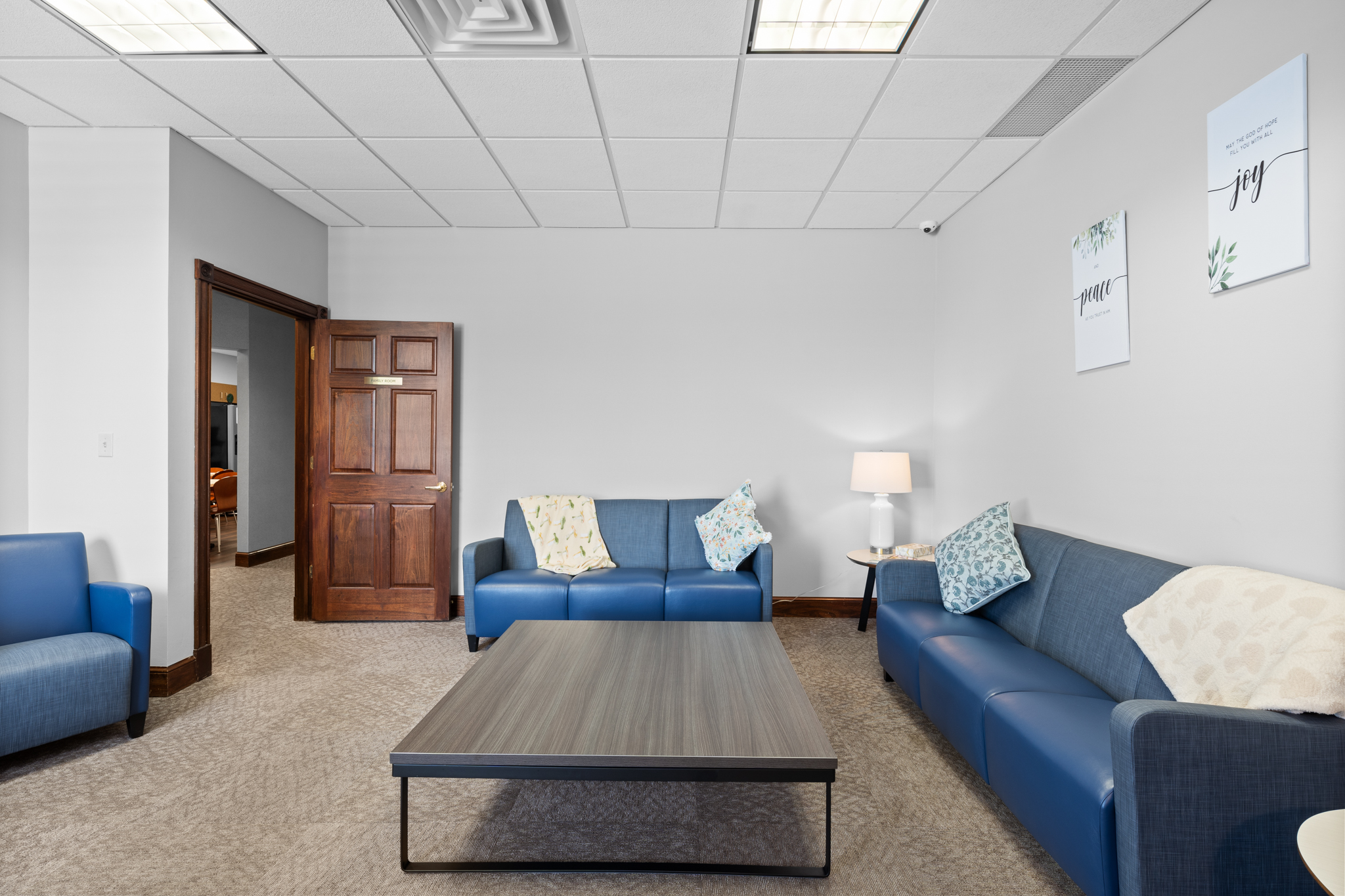
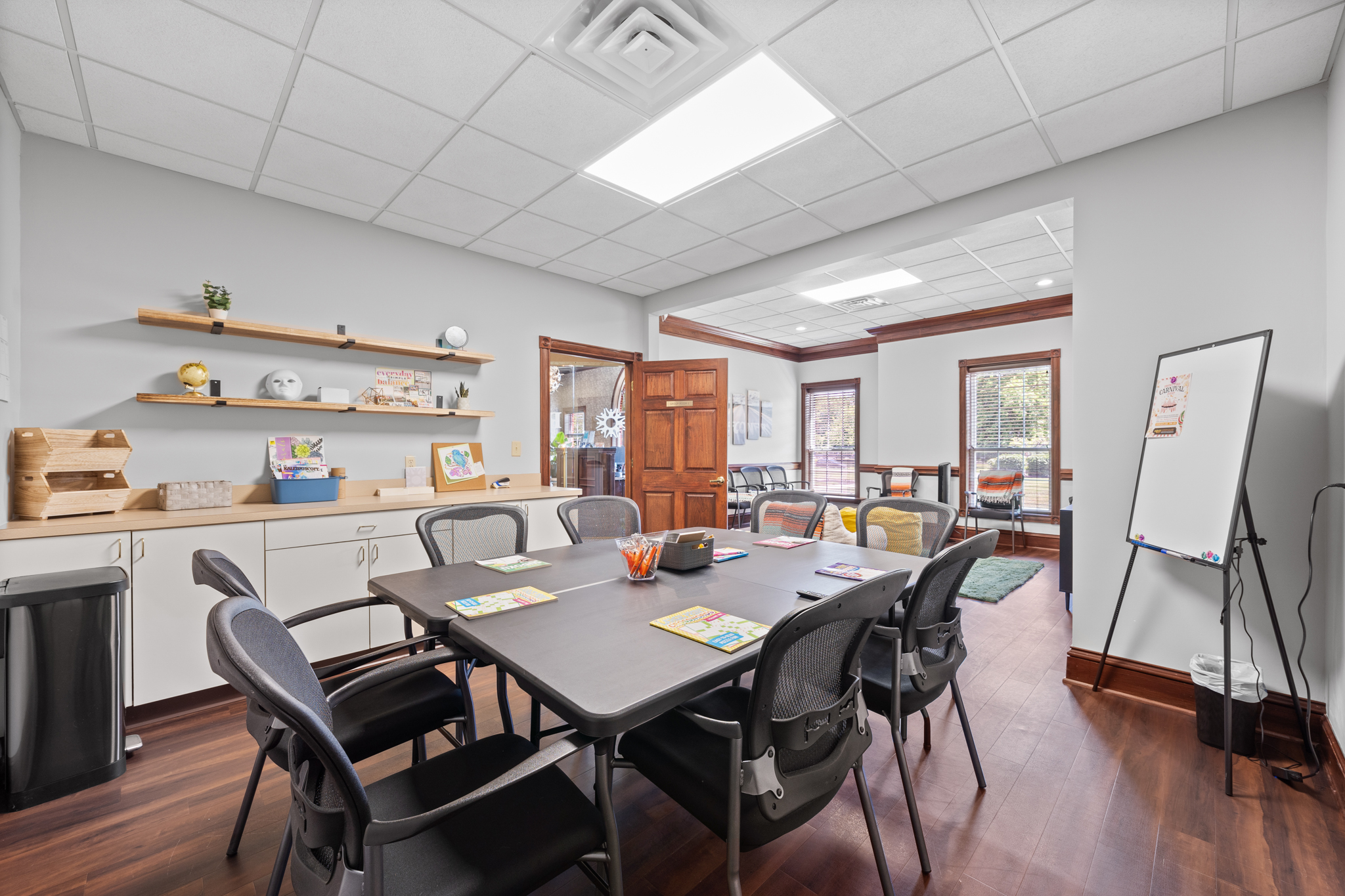
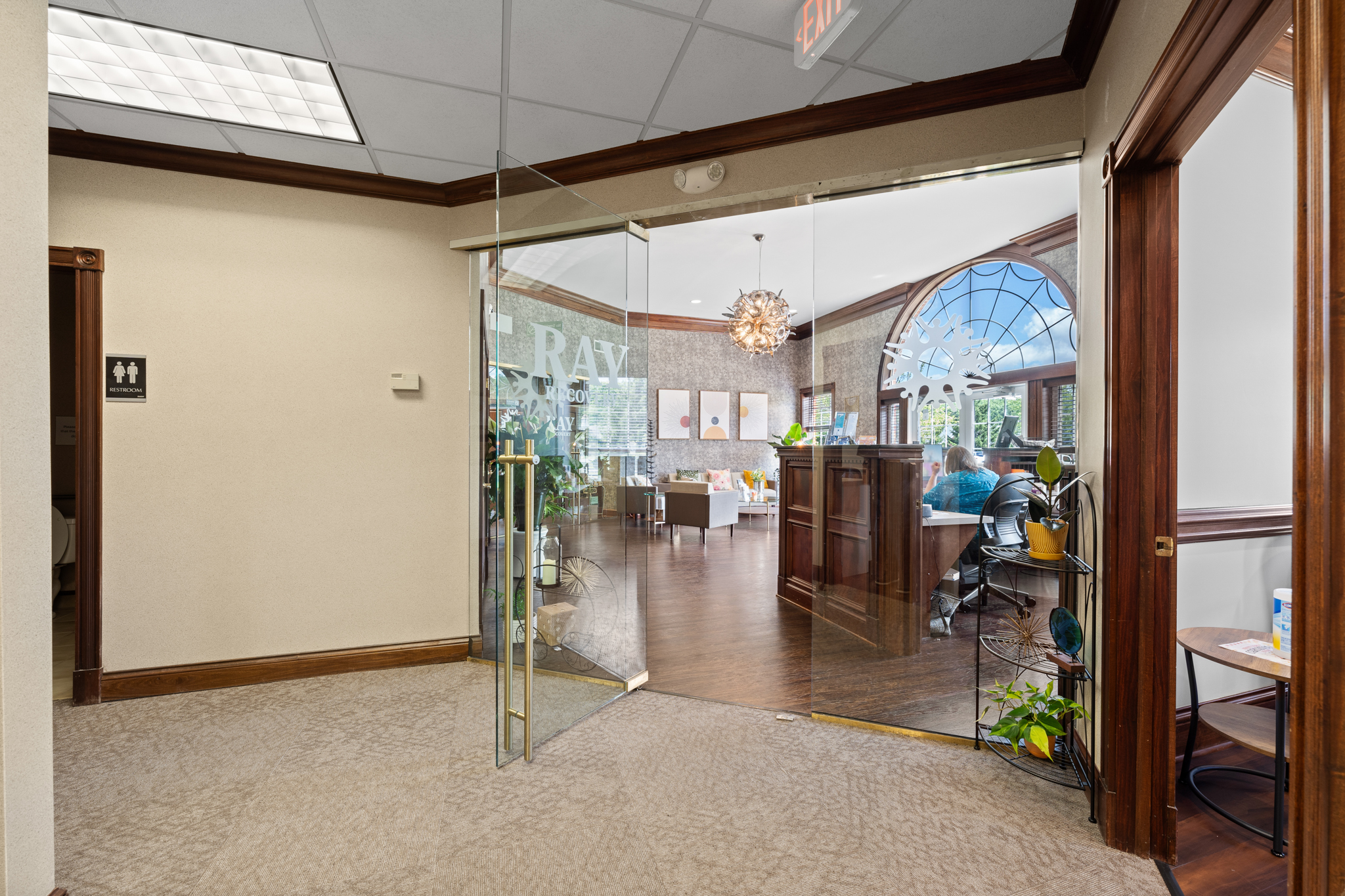
Request A Callback
"*" indicates required fields
Signs and Symptoms of OCD
OCD is characterized by obsessions and compulsions. Alongside obsessions and compulsions, unwanted (intrusive) thoughts or mental images and excessive anxiety related to obsessions (or the inability to engage in compulsions) are common signs and symptoms of OCD. Without treatment, OCD symptoms can feel uncontrollable and as though they are taking over your life. With treatment, managing OCD is possible.
Obsessions in OCD
Obsessions in OCD can be very diverse. Often, they can be described using various subtypes of OCD seen frequently in the community. Common subtypes of OCD include but aren’t limited to the following.
- Relationship OCD, which can include obsessive thoughts like, “Am I with the right partner?” or “Am I a good partner?” that cause significant distress and impairment.
- Contamination OCD, which involves obsessions with contamination or cleanliness that cause significant distress and impairment.
- “Just right” OCD, which involves obsessive thoughts related to order, symmetry, perfection, organization, or balance that cause significant distress and impairment.
- Harm OCD, which involves obsessions related to fear of causing harm toward yourself or others that cause significant impairment or distress.
- Moral scrupulosity, which involves obsessions surrounding moral or ethical concerns that cause significant impairment or distress.
This is not an extensive list of possible obsessions seen in people with OCD. If your obsessions are not reflected by this list, you can still have OCD. Additionally, many people with OCD experience multiple OCD subtypes.
Compulsions in OCD
Compulsions in OCD tend to go alongside obsessions, and they can be mental or physical. Examples of compulsions in OCD can include but aren’t limited to:
- Checking behaviors (e.g., checking to ensure that doors are locked, making sure that you have not caused someone harm).
- Avoiding situations or items that trigger obsessions (e.g., avoiding touching the sink or dishes if you fear that they are contaminated).
- Excessive cleaning or sanitizing of items, even when it is not objectively necessary.
- Ordering or arranging items excessively.
- Repeating words or phrases.
- Reassurance-seeking.
Like obsessions, the nature of OCD compulsions can vary significantly. Some compulsions are visible to others, but other compulsions are not. These are called mental compulsions.
Potential Causes of OCD
There’s no singular cause of OCD. However, there are known risk factors that increase your likelihood of developing OCD. With that in mind, potential causes of OCD include but aren’t limited to:
- Family history.
- Traumatic or stressful events.
- Brain differences.
Regardless of the cause of OCD, you deserve to get the help you need.
Call Ray Recovery for OCD Treatment Near Akron and Canton
Ray Recovery is a discreet outpatient center offering a ray of hope to individuals and families facing drug or alcohol use and mental health conditions like OCD. Our Hudson office at 1737 Georgetown Rd, Suite H/I, Hudson, OH 44236 is about 20 minutes from downtown Akron, and our Uniontown office at 13680 Cleveland Ave NW, Uniontown, OH 44685 serves Canton and Stark County. Virtual IOP is available anywhere in Ohio.
Our programs are covered by insurance, and scholarships are available to those who can’t use insurance to cover the cost of treatment. Most people start within a few days of their first call, after a short assessment and a free benefits check. Call 888.598.6299, any day from 8 a.m. to 9 p.m., or reach out online.
Frequently Asked Questions
Do you have an OCD intensive outpatient program (IOP)?
Yes. Our IOP is about 9 hours a week with daytime or evening groups, and uses the same OCD and addiction treatments as our PHP, including CBT with exposure and response prevention (ERP). It’s available in person in Hudson and Uniontown, and online through virtual IOP anywhere in Ohio.
Do you use exposure and response prevention (ERP) for OCD?
Yes. CBT with exposure and response prevention is widely regarded as one of the leading treatments for OCD, and it’s part of how we treat OCD in our programs.
Do you treat OCD without addiction?
Our programs are built for adults facing OCD alongside drug or alcohol use. If you’re not sure whether that fits your situation, call us and our admissions team will help you find the right level of care, even if that means pointing you to another provider. Learn more about our mental health services.
What's the difference between OCD IOP and PHP?
PHP is our highest level of care, about 25 hours a week over five weekdays, with lunch provided. IOP is about 9 hours a week with daytime or evening groups, so it fits around work or school. Many people step down from PHP to IOP.
Is there OCD treatment near Akron or Canton?
Yes. Our Hudson office is about 20 minutes from Akron, and our Uniontown office serves Canton and Stark County. Clients also come to us from the Cleveland area, and virtual IOP is available anywhere in Ohio.
Does insurance cover OCD treatment?
Our programs are covered by insurance, and scholarships are available for people who can’t use insurance. We verify your benefits for free before treatment starts.