
Key Points
- Senior substance use is rising sharply, with higher overdose and alcohol‑related death rates among adults 65+.
- Physical, social, and emotional changes tied to aging often trigger misuse of alcohol or medications among older adults.
- Recognising elderly addiction signs early, and seeking supportive care, can prevent serious health consequences and isolation.
Addiction is often associated with younger people, yet substance misuse among older Americans has quietly surged in recent decades. For many seniors, challenges such as declining health, loss of loved ones, chronic pain, or loneliness create conditions that increase vulnerability to misuse. Understanding this trend is vital, it helps families recognise warning signs, seek support, and overcome the stigma that makes seniors reluctant to talk about addiction.
This article explores why senior drug abuse and alcohol use in older adults are rising, identifies key risk factors, highlights common signs, and offers compassionate guidance for those caring for aging loved ones or reflecting on their own behavior.
Why Substance Use Among Seniors Is Increasing
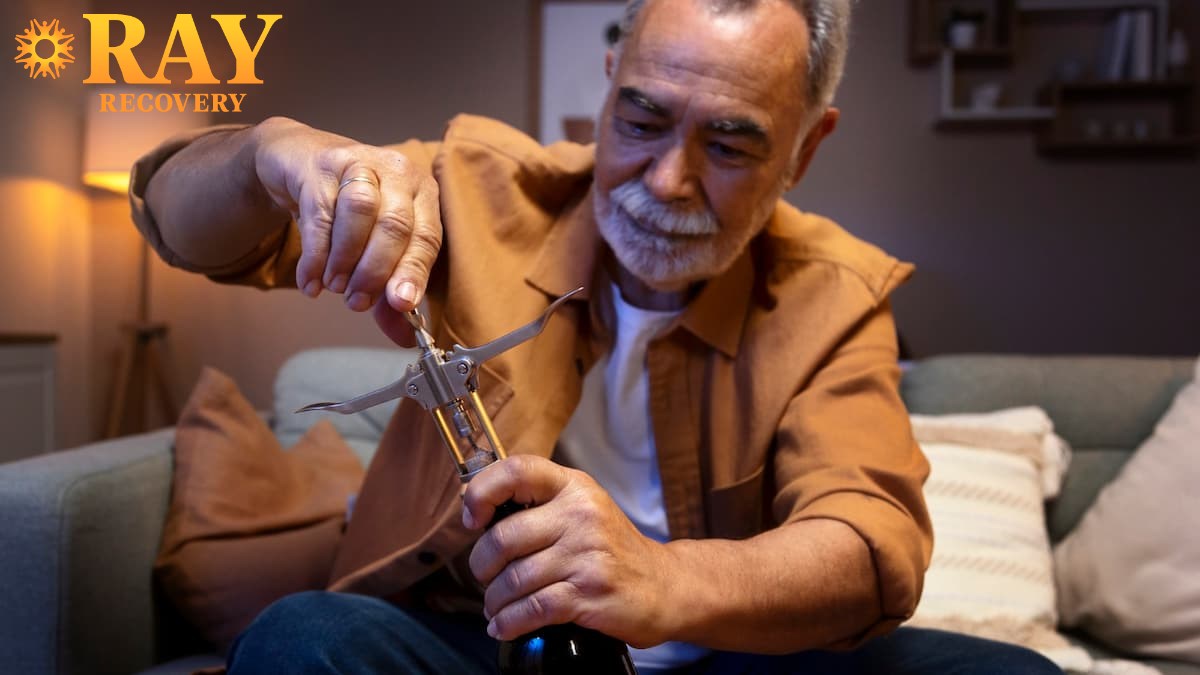
As the population of older adults grows, so do patterns of misuse, driven by generational, medical, and social factors.
Many current seniors belong to the “baby boomer” generation, born between 1946 and 1964 , a cohort that historically had higher exposure to alcohol and other substances compared to earlier generations. From 2002 to 2006, estimates suggested about 2.8 million older adults had a substance use disorder (SUD); projections estimated this could rise to 5.7 million by 2020.
Meanwhile, medical and social conditions common in later life increase risk. Many older adults manage chronic pain, physical limitations, or multiple health conditions. They may take several prescription medications or over‑counter drugs, sometimes combining them with alcohol or misusing them unintentionally.
Psychological stressors also contribute. Retirement, loss of friends or a spouse, loneliness, reduced mobility, or a sense of lost purpose can drive individuals to self-medicate with alcohol or drugs.
Finally, increased accessibility plays a role. Prescription medications are more accessible than ever, and older adults may underestimate the risks of combining those drugs with alcohol or misusing them.
Scope of the Problem: What the Data Shows
The numbers show a clear trend of rising substance use among older Americans.
- As of 2014, more than 1 million individuals aged 65 or older had a substance use disorder, including nearly 978,000 with alcohol use disorder and 161,000 with illicit drug misuse.
- According to recent data, in 2024 nearly 57.5% of people aged 65+ reported alcohol use in the past year; 11.4% of them engaged in binge drinking in the previous month, and 2.5% met criteria for heavy alcohol use.
- Overdose and alcohol-related deaths among older adults have sharply increased: in 2020, over 5,000 people aged 65+ died of drug overdoses, and more than 11,600 died from alcohol-related causes.
- The proportion of older adults admitted to substance abuse treatment climbed: admissions for people 55 or older rose from about 109,000 in 2009 to 167,200 in 2020, a 53% increase.
- Despite the rising need, treatment programs tailored to older adults remain limited: only a small fraction of substance‑use disorder treatment programs are designed specifically for seniors.
These trends show that aging & addiction is a growing public health concern that affects far more families than commonly acknowledged.
Common Risk Factors for Senior Addiction
Understanding what makes older adults vulnerable can help caregivers, family, and seniors themselves recognise and act early.
Physical and medical risk factors
- Chronic pain, mobility limitations, and long-term illnesses often lead to increased use of pain medications. Combining those with alcohol or misusing them can escalate risk.
- Slower metabolism and changes in body composition make older bodies less able to process alcohol or drugs, increasing sensitivity and adverse effects.
- Use of multiple medications (polypharmacy) is common among older adults; this increases the risk of dangerous interactions when combined with alcohol or other substances.
Psychological and social risk factors
- Loss of spouse, friends, or a sense of purpose after retirement can cause loneliness, grief, or depression; some may turn to alcohol or drugs for relief.
- Social isolation and reduced social engagement may lead to emotional distress, making substance misuse more likely.
- Previous history of substance use, or familiarity with misuse earlier in life, can resurface under stress or health decline.
Generational and cultural factors
- Many in the current older generation grew up in eras with different social norms regarding drug and alcohol use, making them potentially more comfortable with substance use in later life.
- Reduced social stigma in certain circles may lower barriers to alcohol or prescription drug misuse among seniors.
Recognizing Elderly Addiction Signs: What to Look For
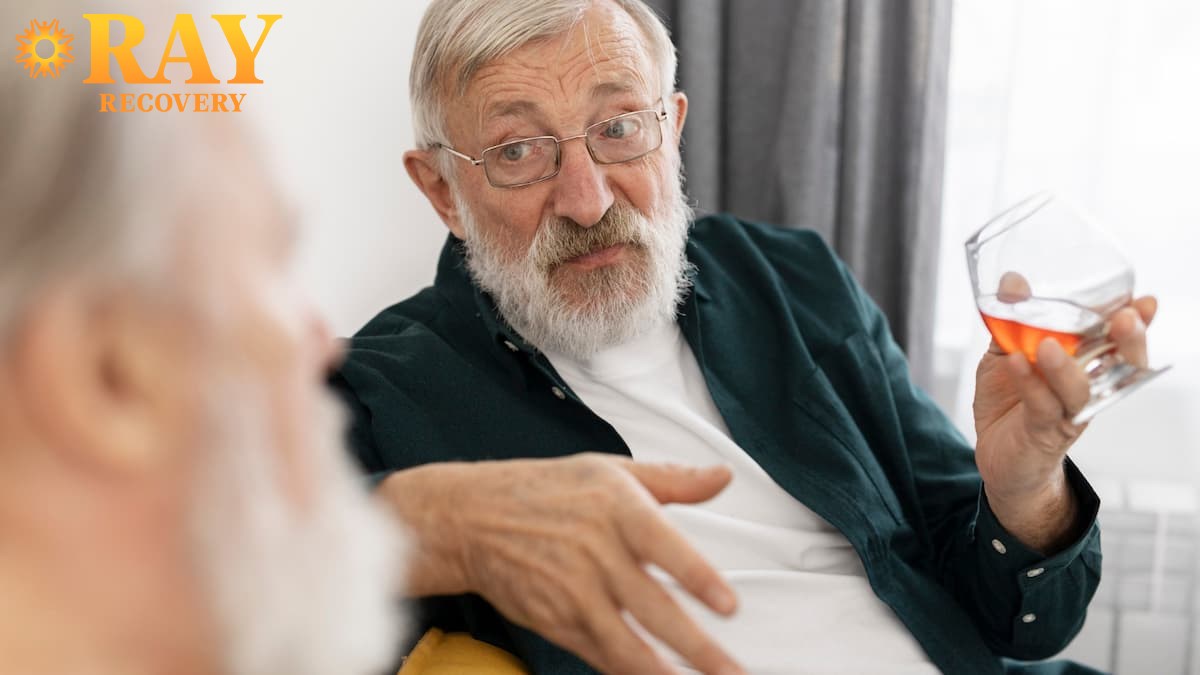
Spotting elderly addiction signs can be harder than in younger people, since symptoms often overlap with natural aging. Some warning signs include:
- Increased confusion, memory problems or cognitive decline that seem unusually rapid
- Frequent falls or accidents, possibly due to impaired balance or coordination from substance use
- Sudden changes in sleep patterns, mood swings, irritability or depression
- Secretive behavior around medication, missing pills, or disappearing prescriptions
- Increased isolation, withdrawal from social activities, neglect of personal hygiene
- Physical symptoms like unexplained bruises, tremors, digestive problems, or recurrent injuries
Because older adults often drink at home and avoid public settings, problems may go unnoticed, especially when there is no intervention by clinicians or family.
Why Addiction Among Seniors Is Often Undetected and Underserved
Substance misuse in older adults often remains hidden and untreated for several reasons:
Many older adults feel shame or believe it is not worth seeking help, seeing their substance use as a private matter or an expected part of aging. Family members may also avoid confronting the issue due to discomfort or stigma.
Medical providers often prioritize chronic disease management over addiction screening in seniors. When older patients complain of falls, memory loss, or mood symptoms, these may be attributed to aging or medical conditions rather than substance misuse.
Treatment infrastructure for older adults remains sparse. Many substance‑use disorder programs are designed for younger populations, with only a small minority targeting the unique needs of seniors, which reduces the chances they receive age‑appropriate care.
Finally, older adults often take multiple medications, and combining those with alcohol or misuse of prescription drugs complicates diagnosis and treatment, as symptoms can overlap with side effects or medical conditions.
What Families and Seniors Can Do: Practical Guidance
If you suspect a loved one or yourself may be struggling with substance use, there are compassionate and effective steps to take:
- Approach the subject gently, expressing concern without judgement. Use specific observations: talk about changes in behavior, falls, forgetfulness, or mood shifts.
- Encourage a medical review: ask a primary care provider to assess medications, alcohol use, and any potential harmful interactions. A thorough medication review can reveal risky combinations.
- Suggest non‑pharmacological alternatives for pain or emotional distress: gentle exercise, social activities, therapy, hobbies, or community groups can reduce reliance on substances.
- Consider specialized treatment services designed for older adults, or those offering flexible, senior‑friendly care. Age‑appropriate therapy may address physical health, mental health, medication management, and social needs.
- Maintain support and involvement: regular visits, companionship, involvement in social activities, and emotional support can reduce isolation and foster recovery.
Barriers to Treatment and How They Can Be Addressed
Even when older adults or their families recognise a problem, several barriers can hinder effective treatment.
Ageism and misconceptions: There is a common misunderstanding that older adults cannot benefit meaningfully from addiction treatment, or that addiction is less serious in later life. This discourages seeking help.
Healthcare system gaps: Many treatment programs are not tailored to seniors. Medication management, co‑morbid chronic conditions, mobility, and cognitive changes require specialized care models seldom offered.
Medical complexity: Older adults often have multiple chronic illnesses, neurological issues, and take many medications. Substance misuse complicates diagnosis and increases risk of interactions or adverse outcomes.
Social stigma and isolation: Seniors may hide their dependency due to shame, or feel disconnected from support networks. Families might be unaware or unsure how to intervene.
Limited screening and detection: Routine healthcare visits often miss substance misuse, especially when addiction is hidden and symptoms mimic age‑related conditions.
To overcome these barriers: healthcare providers should integrate regular screening for substance use among older patients; family members should stay alert and advocate; treatment services should expand senior‑specific programs; and communities must reduce stigma around aging and addiction.
Why It Matters: Health Risks and Consequences
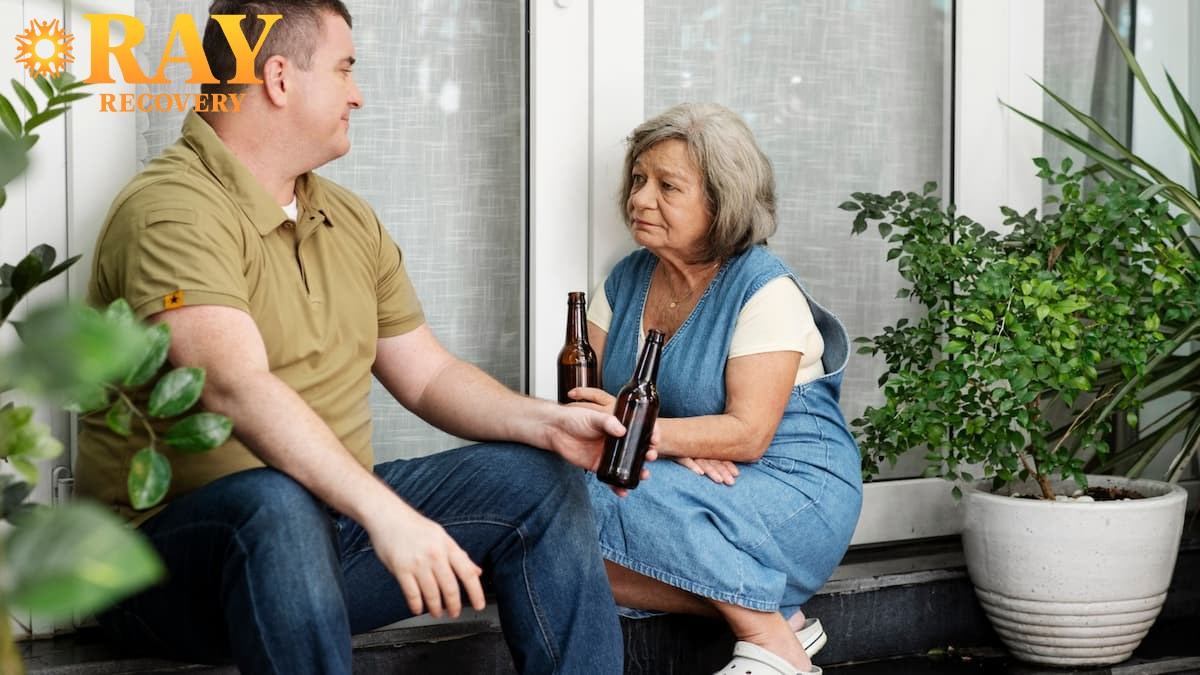
Substance misuse in older adults does more than affect mood or behavior. It can worsen existing medical conditions and lead to serious, sometimes fatal outcomes.
Heavy alcohol use or misuse of drugs can impair balance and coordination, increasing the risk of falls, a major cause of injury in older adults.
Alcohol and drugs can interact with common medications, often leading to dangerous complications such as memory loss, sleep problems, mood disorders, liver issues, cardiovascular problems, and increased risk of chronic disease exacerbation.
Overdose rates have increased significantly among seniors; drug‑ and alcohol‑related deaths rose sharply over the past two decades.
Mental health may also suffer: substance misuse can worsen depression, anxiety, cognitive decline, and social withdrawal, leading to deepening isolation and reduced quality of life.
Recognising these risks underscores why addressing aging & addiction is essential for preserving long‑term health and dignity in later life.
FAQs
What are common signs that an older adult may be misusing alcohol or drugs?
Watch for memory problems, frequent falls, mood changes, secretive behavior around medications, withdrawal from activities, unexplained injuries or health issues.
Why are older adults more vulnerable to substance misuse than younger people?
Slowed metabolism, multiple medications, chronic pain or illness, loneliness, and life transitions such as retirement or loss of loved ones raise risk.
Can seniors recover from addiction successfully?
Yes. With age‑appropriate treatment, support from family and medical professionals, and non‑drug coping strategies, many older adults achieve recovery and improved well‑being.
Take Control of Senior Substance Use With Compassionate Care
Addiction in later life doesn’t have to go unnoticed or unmanaged. At Ray Recovery, we provide tailored programs addressing alcohol use in older adults, senior drug abuse, and aging & addiction.
Our dedicated Ohio team helps older adults identify elderly addiction signs early, rebuild healthy routines, and regain balance through therapy, holistic support, and ongoing guidance. If you or a loved one are noticing the warning signs of substance use, now is the time to act.
Contact us today to receive expert care, structured support, and practical tools to safeguard your well-being and promote lasting recovery.