
Key Points:
- IOP, PHP, and inpatient rehab are different levels of care designed for different stages and severities of addiction.
- Choosing the right level of care is more about your specific situation than about which program sounds most intense.
- Most people move through multiple levels of care over time, starting with more intensive and stepping down as they stabilize.
One of the most common points of confusion when seeking addiction help is understanding what the different program names actually mean. IOP, PHP, inpatient, outpatient: they can all blend when you are already stressed and searching for answers.
This guide lays out the key differences between each rehab level of care so you can make a clear, confident decision about what works for your situation.
The Rehab Levels of Care Explained
Addiction treatment is not one-size-fits-all. The American Society of Addiction Medicine (ASAM) developed a framework of care levels that range from the least to most intensive. Understanding where you fall on that spectrum helps you and your care team choose the right starting point.
The four main levels are:
- Outpatient services (once or twice a week sessions)
- Intensive Outpatient Program (IOP): 9 or more hours of structured therapy per week
- Partial Hospitalization Program (PHP): 20 or more hours per week
- Inpatient or Residential Treatment: 24-hour care in a live-in facility
Each level serves a specific purpose, and people often move between them as their recovery progresses.
What Is an Intensive Outpatient Program (IOP)?
An intensive outpatient program is a structured treatment that you attend multiple times a week, usually 3 to 5 days, for 3-hour sessions. You live at home or in sober living, which makes it the most flexible option among higher levels of care.
The benefits of an intensive outpatient program include being able to keep your job, stay close to family, and practice new coping skills in your real environment.
IOP typically includes:
- Group therapy sessions led by a licensed counselor
- Individual therapy on a weekly or biweekly basis
- Psychoeducation on addiction, triggers, and coping strategies
- Relapse prevention planning
- Family involvement sessions
IOP works best for people with moderate addiction who have a stable home environment and strong motivation. It is also an excellent step-down option after completing inpatient or PHP. Virtual IOP for addiction recovery is also available and may be an option if you face transportation or scheduling barriers.
What Is a Partial Hospitalization Program (PHP)?
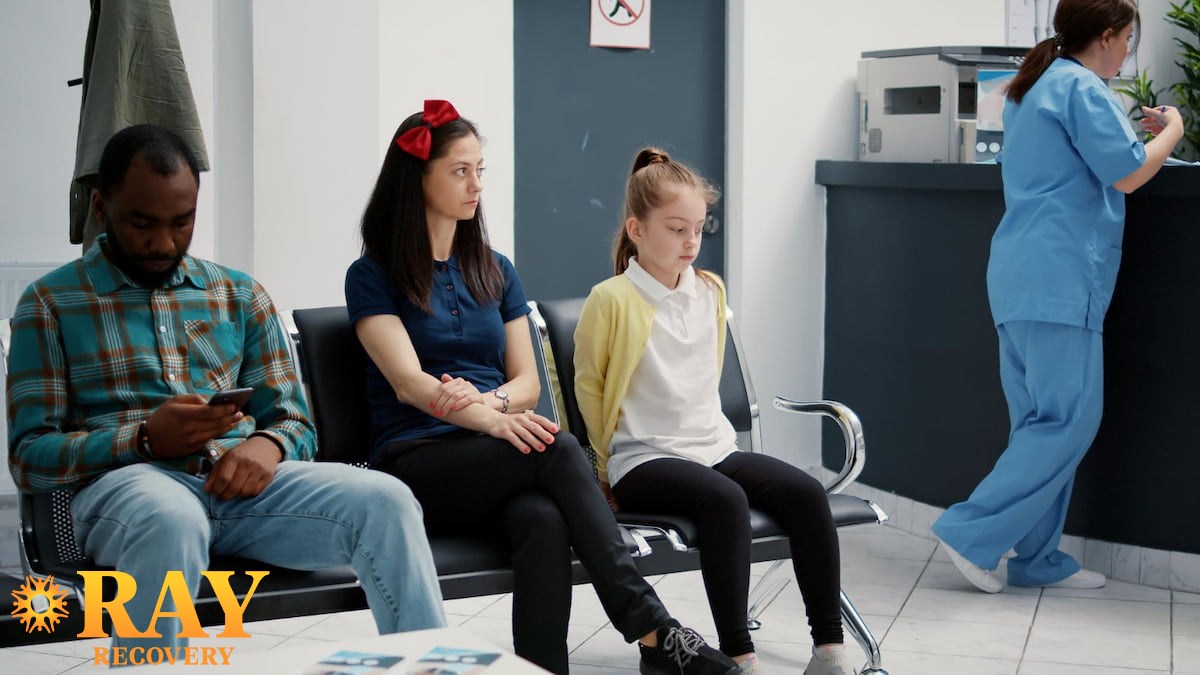
A partial hospitalization program is a step up from IOP in intensity. You attend treatment for 5 to 6 hours per day, 5 days a week, and return home each evening. Think of it as day treatment. You get most of the clinical structure of inpatient care without the overnight stay.
PHP typically includes:
- Daily group and individual therapy
- Psychiatric evaluation and medication management
- Dual diagnosis treatment for co-occurring mental health conditions
- Life skills training and psychoeducation
- Family therapy and education sessions
PHP is ideal for people who have just completed inpatient treatment, those who need more support than IOP can offer, or anyone whose home environment is stable enough for evening return. It is also appropriate for people whose mental health needs are complex, such as those dealing with depression in recovery or anxiety alongside addiction.
What Is Inpatient Rehab?
Inpatient or residential rehab is the most intensive level of addiction treatment. You live at the facility full-time and receive care around the clock. Programs typically run for 28, 60, or 90 days, though some may be longer depending on your needs.
This level of care is best for:
- Severe addiction with high risk of medical complications during withdrawal
- People with co-occurring psychiatric conditions that need round-the-clock monitoring
- Those who have relapsed multiple times after lower levels of care
- Anyone without a safe or stable home environment to return to each evening
Inpatient rehab removes you from the environment where substance use was happening, which for many people is essential for breaking the cycle.
Research on trauma-informed recovery shows that for many people, being in a safe, supported space 24 hours a day helps them work through the deeper issues driving addiction.
IOP vs PHP vs Inpatient: A Clear Comparison
When comparing these three programs, the biggest differences come down to time commitment, living situation, and level of medical oversight.
IOP gives you the most flexibility. You attend a few hours a day, a few days a week, and live at home. It works best for mild to moderate addiction with a stable support system at home.
PHP sits in the middle. You attend most of the day, five days a week, but go home each night. It is ideal for people transitioning from inpatient care or those needing more structure than IOP without a full residential stay.
Inpatient gives you the most structure and the most protection from triggers and cravings. It is typically the best option when you are just starting treatment after a long or severe period of use. What happens to your body during heroin withdrawal is a good example of why medical supervision at the inpatient level can literally be life-saving for certain substance types.
Outpatient vs Inpatient Rehab: Which Should You Choose?
The outpatient vs inpatient rehab question usually comes down to a handful of practical factors. A treatment professional will consider:
- How long and how heavily you have been using
- What substance or substances are involved
- Your physical and mental health history
- Whether you have a safe home to return to
- Your level of social support
- Whether you have tried treatment before
If you have a supportive family, no major physical withdrawal risks, and you are motivated to change, outpatient programs like IOP or PHP may be the right fit.
If your home environment is chaotic, your addiction is severe, or you need medical monitoring, inpatient treatment is likely the safer starting point. Holistic care in addiction recovery is available at multiple levels and can complement whichever program you choose.
Moving Through the Levels of Care

Recovery is rarely a straight line, and neither is treatment. Most people begin at a higher level of care and step down as they progress. For example:
- Start with medical detox (if needed)
- Move to inpatient for initial stabilization and intensive therapy
- Step down to PHP for continued structured support
- Transition to IOP to practice skills while living independently
- Continue with standard outpatient for maintenance and relapse prevention
This step-down model allows the intensity of care to match where you are in recovery at each stage. Building resilience in recovery happens most reliably when you are not moved too quickly to lower levels of care before you are ready.
Frequently Asked Questions
Can I go straight to IOP without doing inpatient first?
Yes, if your addiction is mild to moderate and you have a stable home environment. A clinical assessment will determine whether IOP is appropriate as a starting point or if you need a higher level of care first.
How long does an IOP program last?
Most intensive outpatient programs run for 8 to 12 weeks, with sessions 3 to 5 days per week. The length may be shorter or longer depending on your progress and individual clinical needs.
Is PHP the same as day treatment?
Yes, partial hospitalization and day treatment are used interchangeably. Both describe intensive structured treatment that runs most of the day, Monday through Friday, with evenings and weekends free.
Can I work while in PHP?
It is difficult but not impossible. PHP runs 5 to 6 hours per day, 5 days a week, which leaves little time for full-time work. Part-time or flexible work may be manageable depending on scheduling.
What happens if I relapse during outpatient treatment?
Relapse during treatment is a clinical event, not a failure. Your care team will reassess your needs and may recommend stepping up to a higher level of care temporarily. The goal is always to keep you safe and moving forward.
Find Your Level, Match Your Needs, And Build A Stronger Recovery Path
Choosing between IOP vs PHP vs inpatient rehab can feel confusing without clear guidance. At Ray Recovery, we help you understand how each level of care supports different stages of recovery.
Whether you are comparing outpatient vs inpatient rehab or learning about an intensive outpatient program and partial hospitalization program, our team explains your options in simple, practical terms.
Every individual requires a different level of structure, support, and flexibility. The right placement can improve outcomes and create a more stable path forward.
If you are unsure where to begin, reach out today for support in selecting the addiction treatment program that aligns with your life and recovery goals.