
Key Points:
- Prescription drug addiction is rising in teens and young adults due to pressure from school, work, and social media, combined with easy access to medications at home.
- Many misuse pills to manage anxiety, stay awake, or cope with emotional stress.
- Misuse often starts casually but can quickly lead to addiction and overdose risk.
Teens and young adults live in a world of grades, deadlines, side jobs, and constant comparison. When stress stacks up, a pill that promises focus, calm, or sleep can look like an easy shortcut. Prescription drug addiction rarely starts with a plan to “get hooked.” It usually starts with a sports injury, anxiety at night, or a friend at a party offering “just one.”
Across the country, prescription misuse among high school students and college-age adults remains a serious concern. In one national survey, about 5% of 12th graders reported misusing a prescription drug in the past year.
As misuse grows, so do overdose deaths in adolescents, which more than doubled between 2019 and 2021. Understanding why this happens is the first step toward protecting young people.
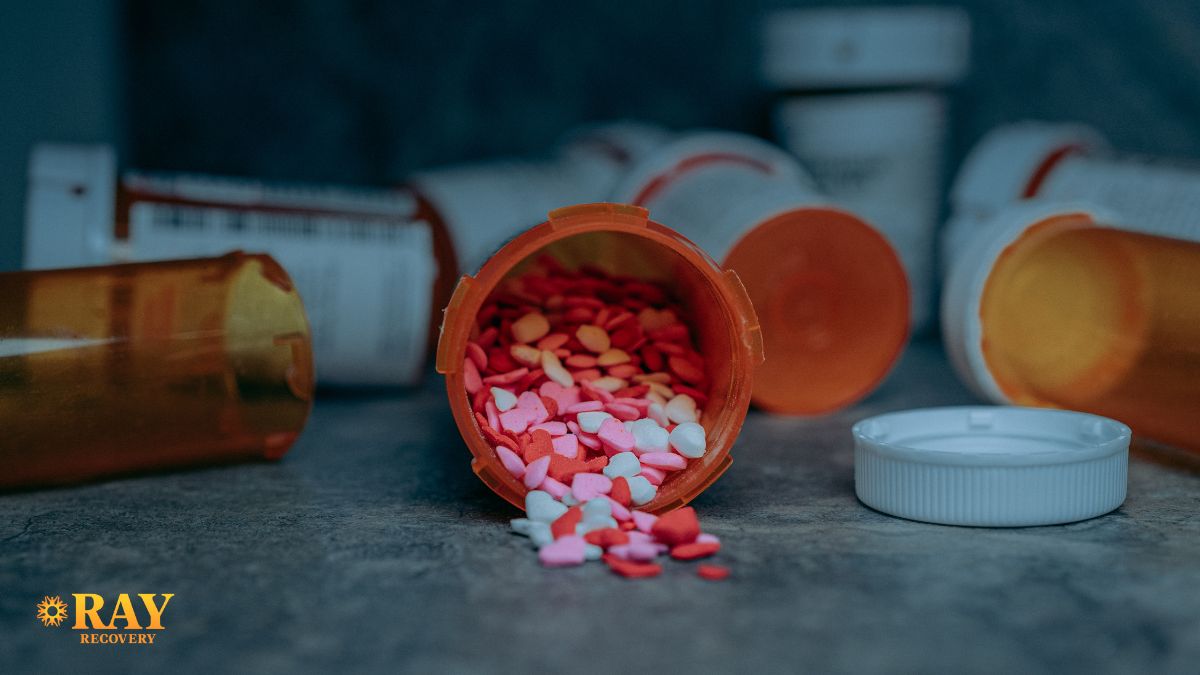
Why Is Prescription Drug Addiction Rising in Teens and Young Adults?
Behind prescription drug addiction in youth is a cluster of pressures rather than a single cause. Surveys show that 14% of U.S. high school students report misusing prescription opioids. At the same time, misuse of prescription opioids occurs in about 3.8% of adolescents and 7.8% of young adults.
Several forces shape this trend:
- High expectations at school and work: Teens feel pressure to keep up with grades, sports, and jobs, and some turn to stimulants or pain pills for extra energy or relief.
- Unaddressed anxiety and depression: Young adult addiction often grows from attempts to self-medicate panic, low mood, or trauma.
- Constant exposure online: Social media normalizes casual pill use and makes it easier to find people who sell or share medications.
- Unlocked medicine cabinets: Many teens first use pills that come straight from a family member’s prescription bottle.
- False sense of safety: Many believe “doctor-prescribed” pills are less risky than unknown street drugs.
Prescription drug addiction grows fastest where these pressures overlap. A student who is anxious, facing exams, scrolling influencer content at night, and living in a home with leftover opioids is at much higher risk than peers who face only one of those factors.
How Do School and Work Pressures Lead to Pill Misuse?
Academic and work expectations have accelerated in recent times. Teens juggle AP classes, club leadership, sports, and part-time jobs. College students stack internships on top of full course loads. In that environment, pills that promise focus or pain relief can feel like “tools,” not drugs.
Young people report misusing medication to:
- Study longer: Using stimulants to stay awake through the night before tests.
- Play through pain: Taking extra pain pills after sports injuries to keep practicing or competing.
- Push through work shifts: Using meds to stay alert for late-night or early-morning jobs.
Teens may hear classmates talk about “study drugs” or see posts that frame pills as productivity hacks. Over time, it becomes easier to justify “borrowing” a friend’s ADHD medication or taking an extra opioid prescribed after surgery.
When these behaviors repeat, tolerance and withdrawal can develop. At that point, the line into prescription drug addiction has been crossed, even if the original intention was simply to get through exams or meet work expectations.
How Do Anxiety and Depression Feed Prescription Drug Addiction?
Anxiety and depression rates in young people are high. Recent national data show that about 41% of young adults aged 18 to 25 report having had a mental health problem. When support is limited or delayed, prescription pills can feel like the only quick relief.
Common patterns include:
- Using sedatives to quiet worry: Teens may take extra benzodiazepines or sleep medications to silence racing thoughts.
- Taking pain pills for emotional pain: Opioids can numb both physical and emotional discomfort, which makes them tempting during breakups, grief, or bullying.
- Mixing meds without guidance: Young people may combine psychiatric prescriptions with shared pills or alcohol, raising overdose risk.
Without early treatment, self-medication can spiral into dependence. Dual diagnosis treatment aims to treat prescription drug addiction and mental health conditions together, so a young person does not have to choose between staying sober and feeling emotionally stable.
How Does Social Media Normalize Pill Abuse?
Social media and influencer culture play a big role in pill abuse. Teens and young adults spend hours on platforms where people joke about “xannies,” post videos about study pills, or share stories about blackout nights. Even when content is meant as humor, it can lower the perceived risk of misuse.
Several trends stand out:
- Glamorized content: Influencers may post about taking pills to sleep, relax, or “zone out,” making misuse look casual and normal.
- Easy connections: Direct messages and encrypted apps make it easier to find someone willing to sell or share medication.
- How-to tips: Some threads explain how to mix pills, which dramatically raises overdose risk.
The danger is amplified by counterfeit pills. CDC data show adolescent overdose deaths rose sharply from 2019 to 2021, with about 90% involving opioids and nearly 25% involving counterfeit pills. What looks like a “friend’s Xanax” or pain pill bought through a social app can actually contain fentanyl, making even one experiment life-threatening.
Why Does Easy Access at Home Fuel Misuse?
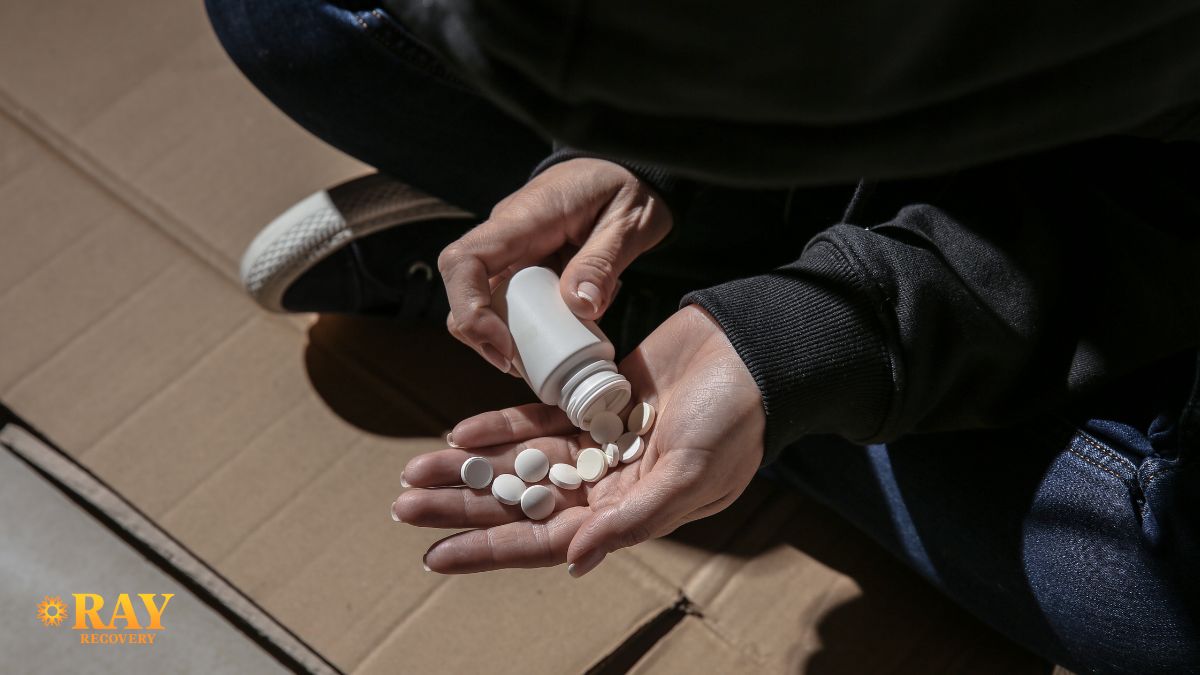
Many teens do not need to search far for pills. They only need to open a bathroom cabinet or bedroom drawer. Teens and young adults often misuse prescriptions because they are widely available, low-cost, and perceived as safer than illicit drugs.
Risk increases when:
- Leftover meds stay in the house: Unused opioids after surgery or dental work sit accessible for months or years.
- Pills are shared casually: Parents or siblings may offer their own medications for pain, sleep, or focus, assuming they are “just helping.”
- Bottles are unlabeled or mixed: Teens may take pills without knowing the strength or type.
Once a teen learns that certain pills help with stress, energy, or emotional relief, they may keep returning to that source. Over time, tolerance grows, doses climb, and stopping feels impossible without help from an outpatient addiction program or a higher level of care.
Are Doctor-Prescribed Pills Really Safer Than Street Drugs?
Many young people believe doctor-prescribed pills cannot be as dangerous as anonymous powders or street pills. That belief is one of the strongest drivers of prescription drug addiction. Once misuse begins, risk rises quickly. In 2023, more than 13,000 overdose deaths involved prescription opioids.
Mixing medications compounds the danger. Opioids combined with benzodiazepines increase the chance of slowed breathing and death. This is why specialized benzo addiction treatment and opioid rehab often focus so strongly on teaching safer medication use and preventing relapse.
Prescription pills have legitimate medical uses. The risk starts when doses increase without guidance, pills are taken “as needed” for emotional stress, or medications are used without a personal prescription. At that point, the difference between a pharmacy bottle and a street pill becomes much smaller than many young people expect.

What Youth-Specific Signs Should Families Watch For?
Early warning signs of prescription drug addiction in teens and young adults often appear in daily routines rather than dramatic episodes. Adults may first notice subtle shifts before any clear intoxication. Key changes include:
- School or work performance: Declining grades, skipped classes, missed shifts, or dropping activities that once felt important.
- Secretive phone and social media use: Hiding conversations, using encrypted apps, or reacting strongly when someone gets near their screen.
- Pill-sharing at parties or hangouts: Jokes about “everyone having something,” swapping pills, or playing games that involve taking random medications.
- Hiding bottles or loose pills: Finding unlabeled pill stashes, bottles with other people’s names, or crushed pill residue.
It helps to review our dedicated guide about the signs of prescription drug abuse for a fuller checklist of behavior, mood, and physical changes.
How Does Treatment Help Teens and Young Adults Heal?
When prescription use crosses into loss of control, treatment can give structure and support without cutting a young person off from school, work, or family.
Many teens and young adults do well in flexible levels of care rather than 24/7 residential programs. Yet fewer than one in three teens with opioid use disorder in the U.S. receive any treatment, and fewer than 10% receive medication-assisted care.
A tailored approach often includes:
- Partial hospitalization program (PHP): Daytime programming with medical and therapy support, then home in the evenings.
- Intensive outpatient program (IOP): Several sessions each week that fit around classes or work, ideal for young adult addiction that needs strong structure but not round-the-clock care.
- Standard outpatient visits: Weekly or biweekly sessions once stability improves.
Alongside these levels of care, effective programs focus on:
- Family involvement: Parent and caregiver sessions that teach how to set boundaries, monitor medications, and support recovery at home.
- Dual diagnosis care: Integrated treatment for anxiety, depression, trauma, and other concerns so the young person is less tempted to self-medicate.
- Medication-assisted treatment (MAT): For opioid misuse, medications like buprenorphine or naltrexone can reduce cravings and overdose risk.
- Holistic therapy supports: Approaches such as movement groups, art, and mindfulness that help teens find non-drug ways to manage stress and strong emotions.
When teens and young adults see treatment as a place to keep their life on track rather than as punishment, they are more likely to stay engaged and build long-term recovery skills.

Frequently Asked Questions
At what age do teens usually start misusing prescription drugs?
Teens can begin misusing prescription drugs as early as age 12, often accessing them from home medicine cabinets. Surveys confirm that misuse starts in middle school, not just high school. Early prevention requires secure storage, clear rules, and open discussions before risky behavior begins.
How can parents make home prescriptions safer for teens and young adults?
Parents can make home prescriptions safer for teens by locking up medications, counting doses, and disposing of unused pills promptly. Safety increases when prescriptions are securely stored, tracked, and not saved “just in case.” Honest conversations about the risks of sharing medicine reduce misuse and protect others.
When is it time to seek professional help for a young person misusing pills?
Help is needed when a young person continues misusing pills despite problems, shows withdrawal symptoms, or hides their use. Signs like mood swings, sweating, and inability to stop point to substance use disorder, which is a treatable medical condition. Early intervention improves recovery chances and lowers overdose risk.
Start Healing from Prescription Drug Addiction Today
Prescription drug addiction does not erase a teen or young adult’s strengths, but it can pull their life off course quickly. Structured care helps them regain stability, rebuild trust with family, and learn healthier ways to manage stress, pain, and big emotions.
Drug addiction rehab in Ohio offers partial hospitalization, intensive outpatient, and outpatient addiction treatment so young people can get help while staying connected to school or work. At Ray Recovery, we offer evidence-based care designed to help teens and young adults step out of dangerous pill use and move toward a more stable, hopeful future.
Reach out today to ask questions, confirm benefits, or plan a start date that fits your life.