
Key points:
- Cravings are rooted in addiction neuroscience, not weakness, and they reflect real changes in brain reward, memory, and stress systems during recovery.
- Effective craving management combines brain-based strategies, daily routines, and emotional regulation skills that support steady brain healing.
- Families play a powerful role in reinforcing healthy habits that gradually retrain the brain and reduce relapse risk over time.
Cravings can feel overwhelming, confusing, and discouraging, especially in early recovery. Many people wonder why urges seem to appear out of nowhere, even after making a firm decision to stop using substances. The answer lies in the brain. Addiction changes how the brain processes reward, stress, and decision-making. Understanding this science can replace shame with clarity and direction.
Research in addiction neuroscience shows that cravings are learned brain responses shaped by repeated substance use. These responses do not disappear overnight. The good news is that the brain is capable of healing. With time, structure, and the right coping tools, brain healing begins, and cravings become more manageable.
This guide explains what is happening inside your brain, why urges occur, and how practical craving management strategies can help you or your loved one move forward with confidence.
How Addiction Changes the Brain
Addiction affects several key brain regions. The reward system, which includes the nucleus accumbens and dopamine pathways, becomes overstimulated by substances. Dopamine is a chemical messenger linked to motivation and pleasure. Drugs and alcohol can release two to ten times more dopamine than natural rewards.
Over time, the brain adapts. It reduces its natural dopamine production and decreases sensitivity to everyday pleasures. This is why simple joys, like food or connection, may feel flat in early recovery.
Addiction neuroscience research has shown three major areas impacted:
- The reward system becomes hyper-focused on substances.
- The prefrontal cortex, responsible for judgment and impulse control, becomes less active.
- The stress system becomes more reactive, increasing anxiety and irritability.
Brain imaging studies have found that these changes can persist for months after substance use stops. Yet the brain is not permanently damaged in most cases. Brain healing begins once substances are removed and healthy routines are restored.
Understanding these changes helps explain why cravings are intense. They are not a failure of character. They are the result of a rewired survival system that mistakenly believes the substance is essential.
Why Cravings Feel So Powerful
Cravings are more than thoughts. They involve memory, emotion, and physical sensations. The brain links substances to relief, comfort, or excitement. When a trigger appears, the brain retrieves those memories automatically.
Triggers can include:
- Places associated with past use
- Certain people or social situations
- Stress, loneliness, or boredom
- Specific times of day
In addiction neuroscience, this process is known as conditioned learning. The brain learns to pair cues with substance use. Over time, the cue alone can activate dopamine pathways, creating anticipation and urge.
Stress plays a major role. Research from federal health agencies shows that chronic stress increases relapse risk. Stress hormones such as cortisol activate brain circuits connected to craving and habit.
Sleep deprivation, hunger, and emotional conflict can intensify this response. When the body feels threatened or depleted, the brain seeks quick relief. For someone in recovery, that relief may still be associated with substance use.
Recognizing cravings as temporary brain states can reduce fear. Most cravings peak within 20 to 30 minutes and fade if not acted upon. This knowledge can empower you to ride out the wave rather than react impulsively.
The Timeline of Brain Healing in Recovery
Healing does not occur in a single moment. It unfolds in stages. Early recovery often involves heightened emotions and strong urges. This is partly due to the brain recalibrating its dopamine system.
During the first weeks:
- Mood swings and low motivation are common.
- Sleep patterns may be disrupted.
- Cravings can feel frequent and intense.
Within several months:
- Dopamine function begins to stabilize.
- The prefrontal cortex regains stronger control over impulses.
- Natural rewards feel more satisfying.
Long-term recovery supports continued brain healing. Studies have shown that sustained abstinence can restore significant function in decision-making areas of the brain. The timeline varies based on the substance used, length of use, age, and overall health.
Patience is part of craving management. Each healthy choice strengthens new neural pathways. The brain changes through repetition. Just as addiction was learned through repeated use, recovery is reinforced through repeated healthy behaviors.
Practical Craving Management Strategies
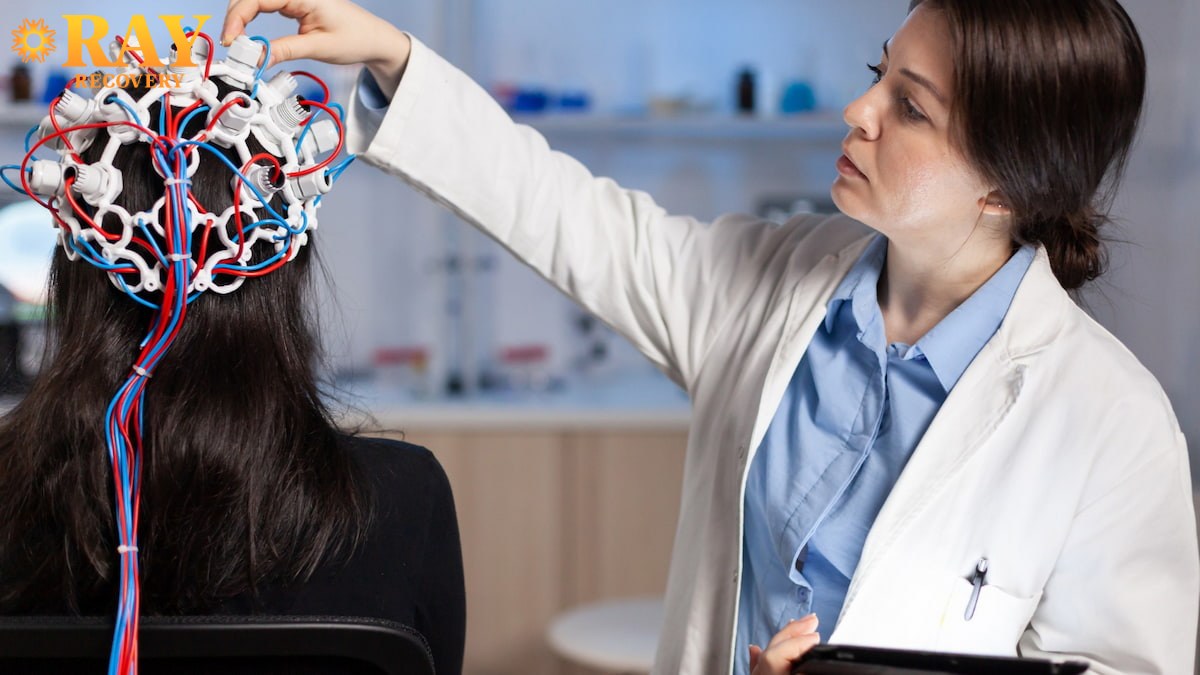
Understanding addiction neuroscience provides insight. Action builds momentum. Effective craving management blends mental, physical, and environmental tools.
Pause and Label the Urge
When a craving arises, pause and identify it. Say internally, this is a craving, not a command. Labeling activates the prefrontal cortex, the area responsible for self-control.
Simple steps include:
- Take five slow breaths.
- Rate the craving from one to ten.
- Remind yourself it will pass.
This creates distance between the urge and your response.
Use the 20 Minute Rule
Cravings often rise and fall quickly. Commit to waiting 20 minutes before making any decision. During that time, shift your focus to an activity such as walking, calling a supportive person, or drinking water.
Delay weakens the automatic habit loop.
Strengthen the Body to Support the Brain
Physical health directly affects brain healing. Research from national health institutions links exercise to improved dopamine balance and reduced relapse risk.
Helpful habits include:
- Regular aerobic activity, such as brisk walking
- Consistent sleep schedule
- Balanced meals with protein and complex carbohydrates
- Staying hydrated
When the body is stable, cravings often decrease in intensity.
Build New Reward Pathways
The brain needs healthy sources of pleasure. Engage in activities that create natural dopamine release:
- Creative hobbies
- Time outdoors
- Meaningful connection with family
- Volunteering or service
Repetition builds new associations. Over time, the brain begins to expect these rewards instead of substances.
Address Emotional Triggers
Unprocessed emotions can fuel cravings. Consider journaling, counseling, or peer support groups. Expressing feelings reduces the internal pressure that often drives substance use.
Craving management is not about suppressing emotion. It is about learning to move through discomfort safely.
The Role of Family in Supporting Brain Recovery
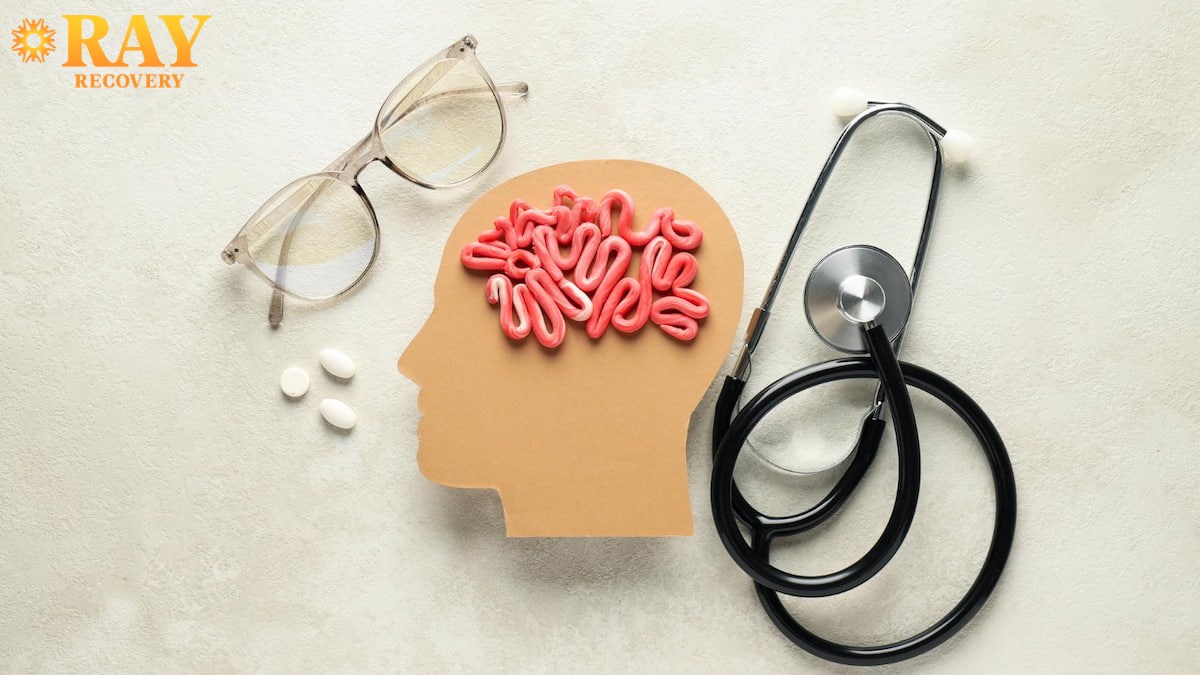
Recovery rarely happens in isolation. Families can influence brain healing by creating a stable, supportive environment.
Helpful family actions include:
- Maintaining predictable routines
- Communicating calmly and clearly
- Encouraging healthy habits
- Avoiding shaming language
Stressful home environments can activate craving pathways. Supportive settings reduce stress hormones and strengthen recovery efforts.
Family members can learn about addiction neuroscience to better understand behavior changes. This knowledge reduces misunderstandings and builds patience.
It is helpful for loved ones to practice self-care as well. When family members feel balanced, they respond more effectively during difficult moments.
When Cravings Signal a Deeper Need
Not all cravings are purely chemical. Sometimes they point to unmet needs. Ask yourself:
- Am I tired?
- Am I hungry?
- Am I feeling isolated?
- Am I overwhelmed?
Addressing these needs directly often reduces the urge. This approach is grounded in both psychology and addiction neuroscience.
If cravings become frequent or uncontrollable, professional support may help. Therapy, medication-assisted treatment, and structured programs can strengthen craving management skills and protect ongoing brain healing.
Seeking help is not a sign of weakness. It reflects commitment to recovery.
Frequently Asked Questions
How long do cravings last in recovery?
Cravings often peak within 20 to 30 minutes and gradually decline. Frequency usually decreases over months as brain healing progresses, though occasional urges can appear during stress.
Can the brain fully recover from addiction?
Research in addiction neuroscience shows significant improvement with sustained abstinence. Many brain functions, including decision making and reward sensitivity, can partially or largely recover over time.
Why do cravings return after months of sobriety?
Triggers such as stress or environmental cues can reactivate learned pathways. This does not mean failure. It reflects memory circuits that still exist but can be managed.
Does exercise really help with craving management?
Yes. Physical activity supports dopamine balance, reduces stress hormones, and strengthens mood regulation. Regular exercise contributes to long-term brain healing and lowers relapse risk.
What should I do if a craving feels overwhelming?
Pause, breathe, and delay action for at least 20 minutes. Reach out to a supportive person, change your environment, and use coping tools learned in recovery programs.
Retrain the Brain That Learned to Depend
Cravings are signals, not commands. When addiction neuroscience is integrated into treatment, clients learn practical strategies that interrupt automatic patterns and support brain healing.
Ray Recovery combines clinical therapy, behavioral strategies, and education about craving management to help clients respond rather than react. Structured programming addresses both the psychological and neurological aspects of substance use.
If cravings are shaping your decisions more than you would like, there is a path forward grounded in science.
Contact Ray Recovery to learn how evidence-based care supports lasting neurological and emotional recovery.