- Medically Reviewed By: Dr. Jay Bernstein, Medical Director
- Updated: November 18, 2026
Ray Recovery provides outpatient heroin rehab in Ohio for adults near Akron and Canton, at our Hudson and Uniontown offices. Treatment combines therapy through our partial hospitalization program (PHP) or intensive outpatient program (IOP), medication-assisted treatment such as Vivitrol, and care for the anxiety, depression or trauma that often sits underneath heroin use.
| Levels of care | PHP (about 25 hours a week, Monday to Friday), IOP (about 9 hours a week, daytime or evening) and virtual IOP anywhere in Ohio |
| Medication | Vivitrol (extended-release naltrexone) through a monthly on-site clinic, part of our medication-assisted treatment |
| Detox | Not provided on site; we help connect you with a detox provider first when you need one |
| Locations | Hudson (Akron and Summit County) and Uniontown (Canton and Stark County) |
| Insurance | Ohio Medicaid, MyCare Ohio, Tricare, VA CCN, Medical Mutual and more |
| Accreditation | Accredited by the Joint Commission and licensed by the Ohio Department of Mental Health and Addiction Services |

Heroin is dangerous on its own. In 2026, it’s more dangerous than it used to be, because most of the heroin supply in Ohio, including here in Summit and Stark counties, now contains fentanyl, whether the person using it knows it or not. That single fact changes what “using heroin” actually means today, and it’s why treatment can’t wait for someone to hit rock bottom the old-fashioned way.
Fentanyl is involved in most of Ohio’s overdose deaths. There is real progress, though: Summit County Public Health reported 95 accidental overdose deaths among county residents in 2025, well below the average of 197 a year over the previous five years. That trend is worth knowing about, because it means recovery is more possible right now than it was a few years ago, not less.
If you or someone you love is using heroin, or anything that might be cut with fentanyl, naloxone (Narcan) can reverse an overdose in the moment and is worth having on hand regardless of where someone is in their recovery journey. That’s separate from treatment, but it can be the thing that keeps someone alive long enough to get there.
Call 888.598.6299 to talk with our team about heroin and opioid treatment options.
Recognizing Heroin Use in a Loved One
A lot of people searching for heroin rehab aren’t looking for themselves, they’re trying to figure out whether someone they love is using and what to do about it. The signs aren’t always obvious at first, and they can look like other things, but a few patterns show up often enough to be worth knowing:
- Physical changes. Pinpoint pupils even in normal light, drowsiness or “nodding off” at odd times, slurred speech, and noticeable weight loss over weeks or months.
- Behavioral shifts. Withdrawing from family and friends, losing interest in things they used to care about, unexplained financial trouble, or wearing long sleeves consistently regardless of weather.
- Physical evidence. Burnt spoons, small baggies, syringes, or foil aren’t proof on their own, but combined with other changes, they’re worth taking seriously.
- Withdrawal symptoms when they haven’t used in a while. Sweating, restlessness, muscle aches, and irritability that show up on a predictable schedule often point to physical dependence.
If several of these sound familiar, it doesn’t mean the situation is hopeless, it means it’s time for an honest conversation and, ideally, a professional assessment. We can talk you through how to approach that conversation even before your loved one is ready for treatment.
Words From Our Clients

Penny K.

I went to Ray Recovery and wanted to leave the next day but the staff there made me feel so comfortable and not judged they helped me threw getting custody of my kids back they were there with me threw my husband passing away while I was there I decided to stay and that was the best decision I ever made they told me to give it a try for 48 hours if I wanna leave they wont try to stop me so they 48 hours gave me 251 days of soberity and have custody of my kids and made it off probation thank u to everyone at ray recovery for helping me and caring enough to save my life and gain the family back I would not change none of this


Ethan C.
Ray recovery has changed my entire perspective on my life and on my recovery I love the staff here I love being around like minded people who push you and motivate you to be the best person you possibly can be

Adam T.
This place is truly amazing. Everything from the way it's structured to the staff and housing managers.

Tom T.
Writing ⭐⭐⭐⭐⭐ Outstanding Experience at RAY Recovery! I can't say enough good things about RAY Recovery. The staff are absolutely amazing, caring, respectful, and supportive. They genuinely care about the people they work with and go above and beyond to help everyone succeed in their recovery journey. The sober living environment is clean, comfortable, and welcoming. It provides a safe, structured, and positive place to focus on recovery, build confidence, develop healthy habits, and get life back on track. I'm truly grateful for the staff, the support, and the opportunities RAY Recovery provides. Having people who believe in you and want to see you succeed makes all the difference. I highly recommend RAY Recovery to anyone looking for a fresh start and a real chance at a better life. Thank you to the entire team for everything you do. Keep changing lives, one person at a time! 🙏💯

Eric L.
They are very accommodating people they bend over backwards for you any needs that you have if it's in there willpower they will do it.

Shawn A.
Ray Recovery has given me strength and balance in my life. This program really works if you work it. The tools are provided by a wonderful staff who actually care. This place helped me become a better me. Thank You Ray Recovery

Shane M.
This amazing place showed me a new way to live .. abstinent free of all drugs and alcohol...And it wasn't just the PHP and IOP classes, it was the incredible staff in Housing and the awesome guys I have the privilege to call my brother's. Thank you doesn't nearly come close to my appreciation and my gratitude for this recovery center and all those who are involved!

Luke M.
I have been to many other facilities in other states but this has been a good experience for me. They gave me the tools and peace of mind and let me run with it! I recommend this program to anyone who is willing to give sobriety a try and turn their life around!

Angela L.
I am a current client in the IOP women’s program and if it were not for a certain staff member coming and rescuing me off of the streets of Akron I would be dead right now. This place has given me a reason to wake up every day and want to fight this battle of addiction that I’ve been suffering with since I was 15 years old. I’ve never felt more loved and wanted by staff members ever in my life and I’ve been to a lot of different treatment centers in my 41 years. The opportunities for growth and development this place has given me can not be measured. I have never before been able to look in the mirror and honestly say that I love myself. Today I can look in my eyes and see life, motivation and true inner beauty that has come from the women in this program loving me until I was able to love myself. I will never be able to express enough gratitude for what I’ve been given. Thank you God for sending these guardian angels to save my life on July 8,2026

Ilene C.
Ray recovery has very supportive for my recovery and knowledge to get back to Society in Sober Living .

Lisa
Ray's recovery has been an exceptional experience both clinical and housing provided me with a comfortable place to call home.

Heather F.
Raise recovery was a wonderful program it helped me from everything from housing to deep trauma issues I would recommend it to anybody it really is a wonderful place to be
Why Heroin Is Hard to Quit Without Help
Heroin changes how the brain processes reward and pain within weeks of regular use, which is why willpower alone rarely works. The brain’s opioid receptors adapt to the drug’s presence, and once that happens, the absence of the drug itself becomes the problem, not just the craving for it.
Withdrawal itself isn’t usually life-threatening the way alcohol or benzo withdrawal can be, but it’s severe enough that most people who try to quit without support go back to using just to make it stop. Here’s roughly what that timeline tends to look like:
- 6 to 12 hours after the last use: Early symptoms begin, anxiety, muscle aches, and cravings start to build.
- 1 to 3 days: Symptoms typically peak. This is when nausea, vomiting, diarrhea, chills, and insomnia are usually at their worst, and it’s the point where most unsupported attempts to quit fail.
- 4 to 7 days: Physical symptoms generally start easing, though fatigue, low mood, and cravings often continue.
- Weeks to months: Psychological symptoms, particularly cravings and mood changes, can persist well past the physical withdrawal. This is where ongoing therapy and, for many people, medication-assisted treatment make the real difference in whether recovery holds.
None of this is a character flaw. It’s physiology, and it’s exactly why medical support during withdrawal changes outcomes so significantly compared to trying to quit alone.


Reach Out to Us Today
"*" indicates required fields
How Our Heroin Addiction Treatment Program Works
Treatment for heroin use disorder works best when it addresses the physical dependence, the underlying reasons someone started using, and the practical realities of their life, all at once, rather than tackling one piece at a time.
Planning for withdrawal. Before treatment starts, our team assesses what level of medical support you need. Ray Recovery doesn’t provide detox, so if you need medically supervised withdrawal, we help connect you with a detox provider first and plan your move into our PHP or IOP afterward. We’re honest about what you need rather than placing everyone in the same track.
Medication-assisted treatment (MAT). This is one of the most evidence-backed tools available for opioid use disorder, and it’s worth understanding rather than dismissing. Buprenorphine (often prescribed as Suboxone) is a partial opioid agonist, meaning it activates opioid receptors just enough to prevent withdrawal and reduce cravings, without producing the intense high heroin does. Naltrexone (Vivitrol) works differently, blocking opioid receptors entirely so that using heroin while on it produces little to no effect. Which medication makes sense, if any, depends on your history. At Ray Recovery, medication-assisted treatment includes Vivitrol through a monthly on-site clinic, and your clinical team will talk through whether it fits. Vivitrol can only be started after you’ve been opioid-free for about 7 to 10 days, so timing is planned with you.
Real therapy, built around what’s actually driving the use. Your plan may include cognitive-behavioral therapy to work through the thought patterns tied to cravings and relapse, dialectical behavior therapy if emotional regulation is a major factor, and motivational interviewing for people who are still working through whether they’re ready to commit to change. These aren’t offered as a menu you pick from, they’re combined based on what your assessment actually shows.
Dual diagnosis screening. A significant number of people who develop heroin use disorder started using to manage untreated anxiety, depression, or trauma that was never properly addressed. If that’s part of your situation, our dual diagnosis program treats both conditions as one coordinated plan instead of sending you to separate providers for each.
Choosing between PHP and IOP. Our partial hospitalization program involves more hours per week (about 25, Monday to Friday) and more clinical structure, closer to a full-time commitment during the day, which tends to fit people earlier in recovery or coming off a more intensive level of care. Our intensive outpatient program asks for fewer weekly hours (about 9, with daytime or evening groups) and works well for people who need to keep working or attending school while in treatment. Neither is inherently better, the right one depends on where you are right now, and we’ll talk through that honestly during your assessment rather than assuming.
Family therapy. Heroin use disorder affects everyone in a household, not just the person using. Our family therapy option gives family members a way to understand what’s happening, rebuild trust, and learn how to support recovery without accidentally enabling the patterns that fed the addiction.
What Happens After Treatment Ends
Recovery from heroin use disorder doesn’t stop being work once formal treatment ends, and pretending otherwise sets people up to struggle alone at exactly the point they need support the most. Our aftercare planning starts before you finish treatment, not after, and typically includes ongoing therapy, connection to support groups, and a specific relapse prevention plan built around your actual triggers rather than a generic list.
Clients who complete treatment can also stay connected through our alumni program, which gives people a continued community of others who understand what early recovery actually feels like. Relapse is common enough in opioid recovery that it shouldn’t be treated as a failure or a reason to give up. If it happens, having an existing relationship with a treatment provider makes getting back on track faster and less shame-driven than starting over from scratch.
Insurance We Accept
Ray Recovery is in-network with Ohio Medicaid, Humana Medicaid, Tricare, VA Community Care Network, CareSource and Medical Mutual. We accept dual Medicaid-Medicare (MyCare Ohio) plans; Medicare-only plans are not accepted. Opioid treatment often needs medication management alongside therapy, and we verify your specific benefits before you start so you know what’s actually covered.
Heroin Rehab Near Akron and Canton
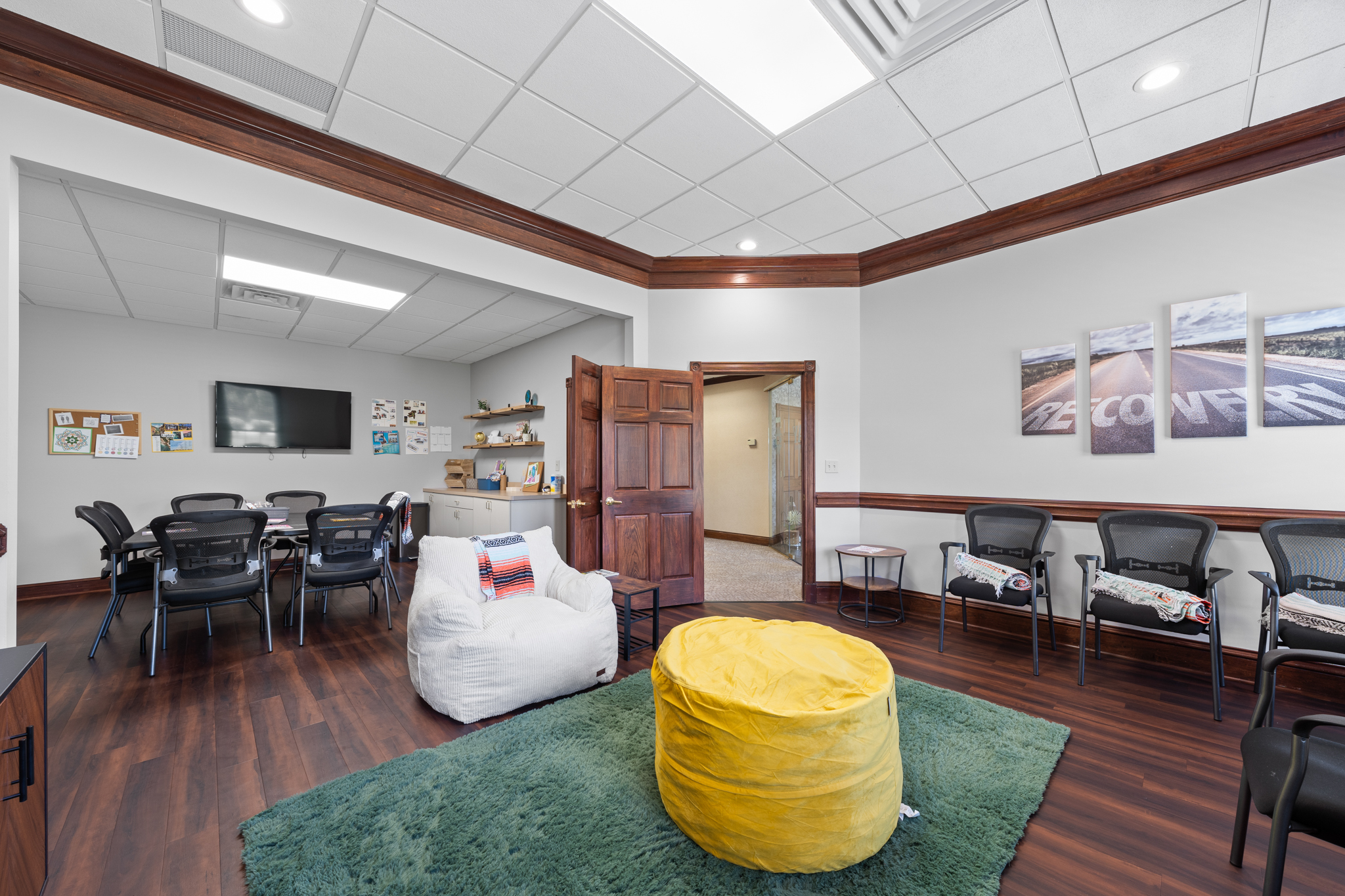
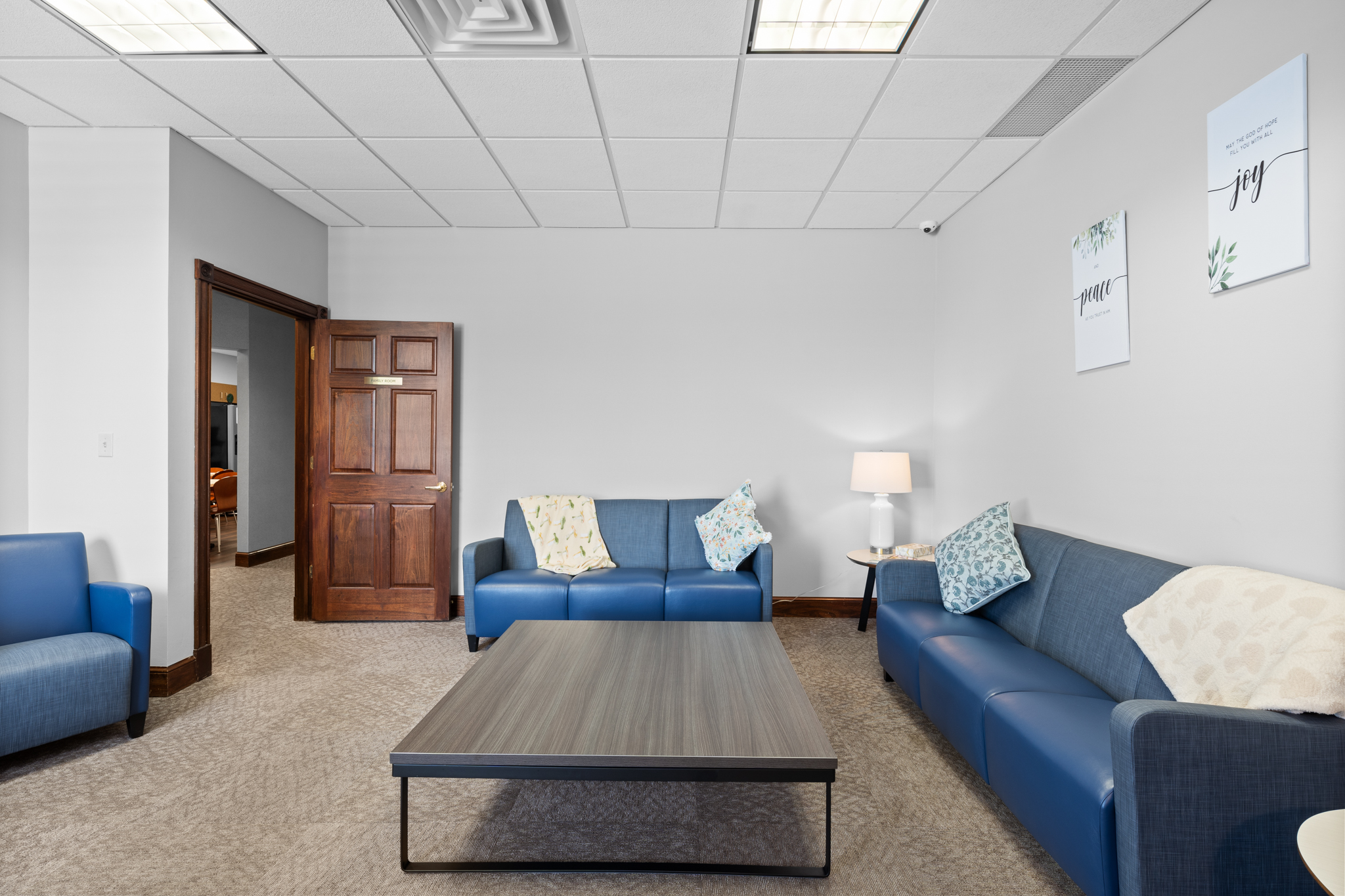
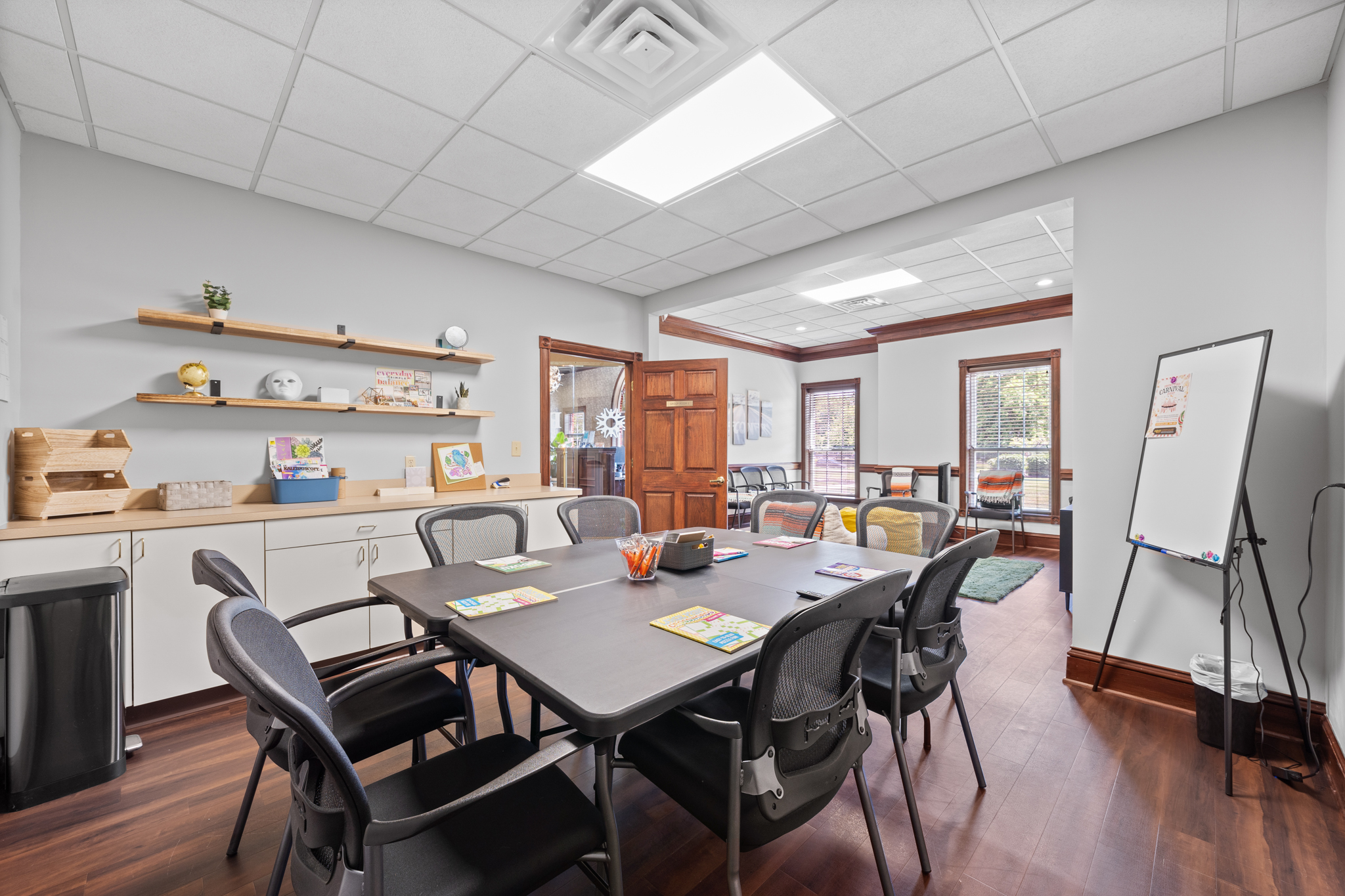
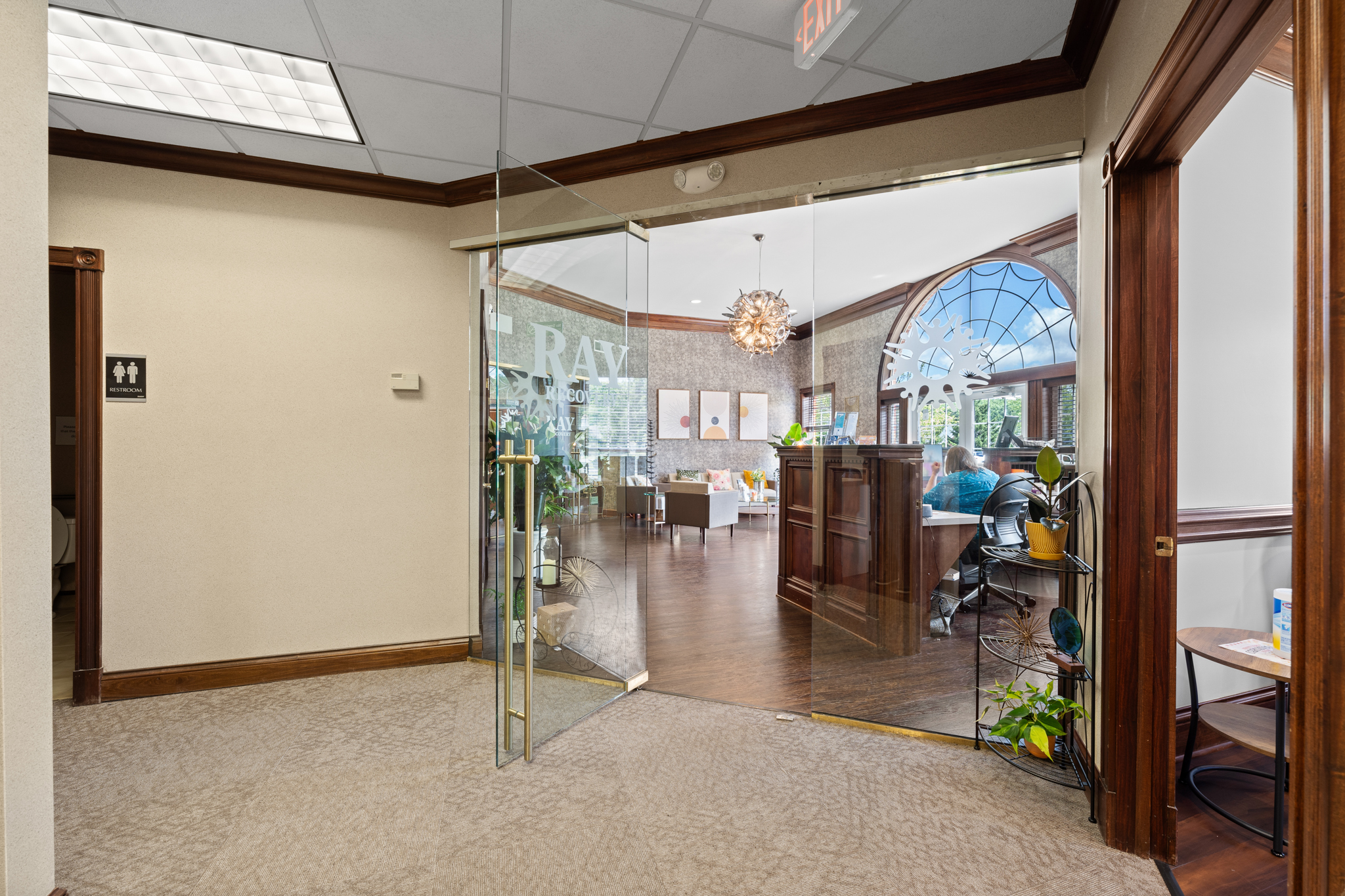
Our Hudson office at 1737 Georgetown Rd, Suite H/I, Hudson, OH 44236 is about 20 minutes from downtown Akron and serves Summit County. Our Uniontown office at 13680 Cleveland Ave NW, Uniontown, OH 44685 serves Canton, North Canton, Green and Stark County. Both offices run the same heroin and opioid treatment, virtual IOP is available anywhere in Ohio, and we offer free rides to and from treatment.
Get Help Today
Heroin use gets more dangerous as long as the supply is cut with fentanyl, but treatment keeps getting more effective, and recovery is genuinely possible. Most people start within a few days of their first call, after a short assessment and a free benefits check.
Call 888.598.6299, any day from 8 a.m. to 9 p.m., or reach out online to get started today.
Frequently Asked Questions
Is heroin withdrawal dangerous?
It’s rarely life-threatening on its own, but it’s severe enough that most people relapse just to stop the symptoms. Medical support and medication-assisted treatment make withdrawal safer and far more manageable than trying to detox alone.
What is medication-assisted treatment, and is it "just replacing one drug with another"?
No. Medications like buprenorphine work differently in the brain than heroin does. They reduce cravings and withdrawal without producing the same high, which is what allows someone to actually engage in therapy instead of just white-knuckling through cravings. It’s one of the most evidence-backed approaches to opioid treatment that exists.
How do I know if heroin I have access to contains fentanyl?
You generally can’t tell by looking, smelling, or tasting it. Fentanyl test strips exist and can help, but the safest assumption in 2026 is that any street heroin might contain fentanyl. This is part of why professional treatment matters more than ever, and why having naloxone accessible is worth doing regardless of where someone is in their recovery.
Does insurance cover heroin and opioid treatment?
Yes, most insurance plans cover opioid use disorder treatment, including medication-assisted treatment and outpatient therapy. We verify your specific benefits before treatment starts.
Can I keep working or going to school during treatment?
For many people, yes. Our IOP and virtual IOP are built around real schedules. If your situation needs more structure at first, we’ll talk through that honestly during your assessment rather than assuming outpatient is right for everyone.
How long does heroin treatment take?
There’s no fixed timeline. Physical withdrawal generally resolves within a week or two, but treatment for the underlying use disorder, including therapy and often MAT, tends to run for several weeks to several months depending on your progress and history. We reassess regularly instead of locking you into one predetermined length.
What if I've tried rehab before and relapsed?
That’s more common than most people expect, and it doesn’t mean treatment doesn’t work or that you’re a lost cause. Relapse often points to something in the original plan that didn’t fit, wrong level of care, unaddressed mental health condition, insufficient aftercare, rather than a personal failure. We’ll look honestly at what happened before and build a plan that accounts for it.
Is it safe to detox from heroin at home?
We’d strongly discourage it without medical guidance, even though heroin withdrawal is rarely life-threatening on its own. The risk isn’t usually the withdrawal itself, it’s what happens afterward: tolerance drops fast during any period of abstinence, so if a relapse happens after a home detox attempt, using a previous dose can be far more dangerous, sometimes fatally so, than it was before. Medical support during withdrawal exists partly to manage this exact risk.
Is there heroin rehab near Canton?
Yes. Our Uniontown office at 13680 Cleveland Ave NW serves Canton, North Canton, Green and Stark County with the same outpatient heroin and opioid treatment as our Hudson office near Akron.
Do you offer Vivitrol for heroin addiction?
Yes. Ray Recovery offers Vivitrol (extended-release naltrexone) through a monthly on-site clinic. It blocks opioid effects and can reduce cravings, but it can only be started after you’ve been opioid-free for about 7 to 10 days, so your team plans the timing with you.
Can I get heroin addiction treatment online in Ohio?
Yes. Our virtual IOP offers live, therapist-led treatment for adults anywhere in Ohio. Some clients combine virtual sessions with in-person groups in Hudson or Uniontown.
Where can I get heroin addiction treatment in Akron, Ohio?
Our Hudson office at 1737 Georgetown Rd is about 20 minutes from downtown Akron and serves Summit County, and our Uniontown office at 13680 Cleveland Ave NW serves Canton and Stark County. Both offer our partial hospitalization program (PHP), intensive outpatient program (IOP) and Vivitrol for opioid use disorder, and virtual IOP is available anywhere in Ohio. If your use started with pain pills, our opioid addiction treatment in Akron page covers that path too.