
Key points:
- Learn how social media addiction signs and screen addiction show up in daily family life and emotional wellbeing.
- Understand the real risks of digital dependency for mental health, relationships, and long term development.
- Discover practical steps and technology addiction treatment options that support recovery and healthier habits.
Phones rarely look like a problem until they quietly take over everything else. Hours disappear scrolling, sleep gets shorter, focus weakens, and real-life connections start to feel optional. Many people sense something is off long before they ever label it screen addiction.
Digital dependency does not always mean nonstop use. It often shows up as anxiety when disconnected, constant checking, or using screens to avoid stress, boredom, or emotional discomfort. Social media addiction signs can mirror substance use patterns, especially when technology becomes the primary coping tool.
Understanding when digital habits cross into technology addiction treatment territory matters. Left unchecked, screen addiction can worsen mental health symptoms and interfere with recovery from other substances. Recognizing the risks early helps you regain control before digital behavior quietly reshapes your daily life.
Understanding Digital and Social Media Addiction
Digital and social media addiction refers to compulsive, hard to control use of phones, apps, games, or platforms despite negative consequences. Unlike casual overuse, digital dependency creates a loss of balance where screens begin to dominate thoughts, moods, and routines. Many platforms are designed to keep users engaged through notifications, infinite scrolling, and social validation, making it harder to stop.
This addiction is behavioral rather than substance based, but it affects the brain in similar ways. Dopamine release linked to likes, messages, or new content reinforces repeated checking. Over time, the brain craves this stimulation, increasing tolerance and reducing satisfaction from offline activities. Families often notice irritability, secrecy, or withdrawal when access is limited, which are common social media addiction signs.
Why Screen Addiction Is Increasing
Screen addiction has risen alongside smartphones, remote work, online education, and social networking. Devices are no longer optional tools, they are embedded in daily responsibilities and social expectations. This constant exposure blurs boundaries between necessary use and unhealthy reliance.
Several factors drive this increase:
- Easy access to multiple devices at all times
- Social pressure to stay connected and responsive
- Algorithms designed to maximize engagement
- Stress, loneliness, or boredom that screens temporarily soothe
For children and teens, developing brains are especially sensitive to reward systems. Adults are not immune either, particularly during periods of stress or isolation. Over time, digital dependency can feel normal, even when it is causing harm.
Common Social Media Addiction Signs to Watch For
Recognizing social media addiction signs early allows families to respond before problems escalate. These signs often develop gradually and may be dismissed as habits or phases.
Behavioral signs include:
- Compulsive checking of apps or feeds
- Difficulty stopping or setting limits
- Neglecting responsibilities or relationships
- Using social media to escape negative emotions
Emotional and physical signs may include:
- Anxiety or irritability when offline
- Sleep disruption or fatigue
- Low mood linked to online interactions
- Headaches, eye strain, or posture pain
When multiple signs persist, screen addiction may be impacting wellbeing and daily functioning.
Emotional and Mental Health Risks
Excessive screen use affects emotional regulation, self esteem, and mental health. Research consistently links heavy social media use with increased anxiety, depression, and stress. Constant comparison to curated online images can distort self perception and fuel dissatisfaction.
Digital dependency also reduces opportunities to develop coping skills. Instead of processing emotions through conversation or reflection, individuals may turn to scrolling or gaming for relief. Over time, this avoidance can intensify emotional distress and reduce resilience.
For young people, these risks are heightened. Ongoing exposure during critical developmental stages can affect attention, impulse control, and emotional growth.
Impact on Relationships and Family Life
Screen addiction can quietly erode relationships. Time spent online often replaces meaningful face to face interaction, leading to emotional distance. Family members may feel ignored, unheard, or less valued than devices.
Common relational effects include:
- Reduced communication and shared activities
- Increased conflict over screen limits
- Emotional withdrawal or secrecy
- Missed opportunities for connection
When social media addiction signs appear within families, addressing them together can strengthen trust and mutual understanding.
Physical Health Consequences
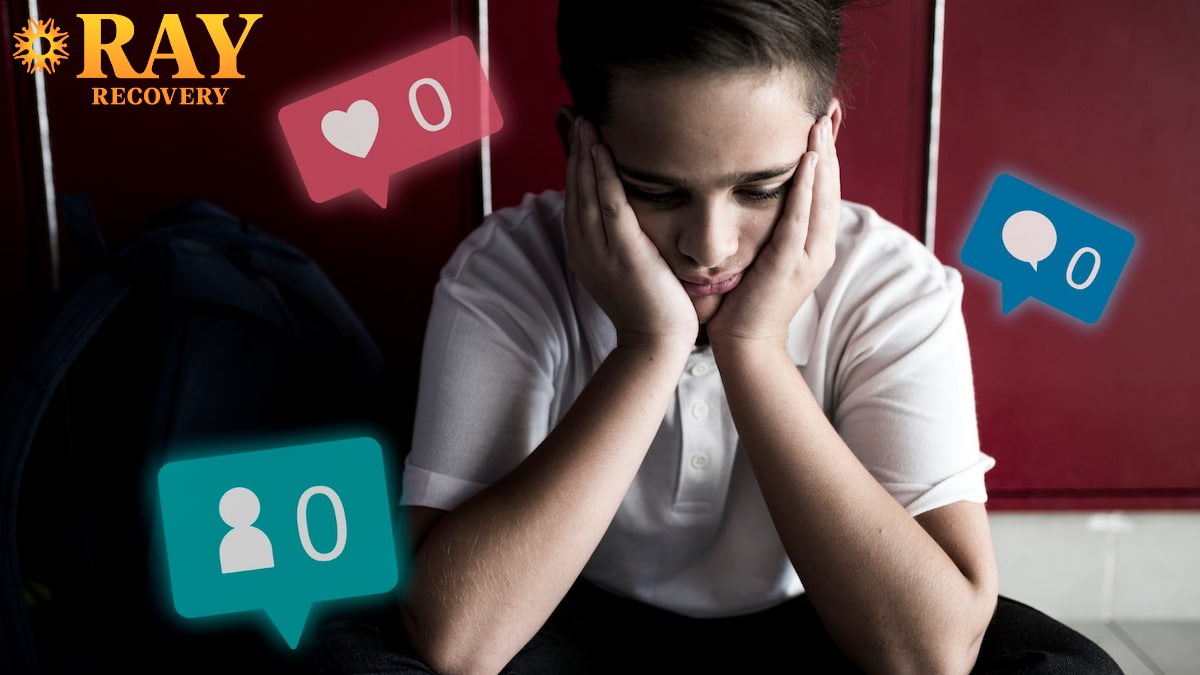
Although digital addiction is often discussed in emotional terms, physical health is also affected. Prolonged screen time contributes to sedentary behavior, poor posture, and disrupted sleep cycles. Blue light exposure interferes with natural sleep rhythms, making rest less restorative.
Over time, digital dependency may increase risks for weight gain, chronic fatigue, and musculoskeletal discomfort. These physical effects can worsen mood and concentration, creating a cycle that reinforces screen addiction.
When Digital Dependency Becomes a Serious Problem
Not everyone who uses screens heavily needs intervention. The key concern is impact. digital dependency becomes serious when technology use consistently interferes with health, relationships, education, or work.
Warning indicators include:
- Failed attempts to reduce use
- Escalating time spent online
- Continued use despite negative outcomes
- Emotional distress tied directly to screen access
At this stage, outside support may be necessary to restore balance and wellbeing.
Healthy Screen Use Versus Addiction
Understanding the difference between healthy use and screen addiction helps families respond appropriately. Healthy use supports goals, relationships, and learning without dominating life. Addiction narrows focus, reduces flexibility, and creates distress when access is limited.
Healthy habits typically involve:
- Clear boundaries around time and purpose
- Ability to disengage without distress
- Balance between online and offline activities
- Screens enhancing rather than replacing life
When these qualities are absent, social media addiction signs may be present.
Steps Families Can Take Right Now
Families can take practical steps to address digital dependency without judgment or blame. Small changes often create meaningful improvements.
Helpful strategies include:
- Establishing tech free times or zones
- Modeling balanced screen behavior
- Encouraging offline hobbies and movement
- Talking openly about online experiences
Consistency and empathy matter more than strict rules. Addressing screen addiction works best when everyone participates.
When to Seek Professional Help
If efforts to reduce use fail or distress increases, professional support may help. Technology addiction treatment focuses on understanding underlying needs, building coping skills, and restoring balance.
Consider seeking help if:
- Mood or behavior worsens with limits
- Academic or work performance declines
- Relationships suffer significantly
- Anxiety or depression intensifies
Early technology addiction treatment can prevent long term consequences and support healthier patterns.
What Technology Addiction Treatment Looks Like
Technology addiction treatment is practical and supportive, not punitive. It may include counseling, family education, and structured behavior plans. Treatment helps individuals recognize triggers, manage urges, and reconnect with offline sources of fulfillment.
Many programs emphasize:
- Emotional regulation and stress management
- Healthy routines and sleep habits
- Communication and relationship repair
- Gradual, sustainable behavior change
The focus remains on improving quality of life, not eliminating technology entirely.
Supporting Children and Teens
Children and teens need guidance, not punishment, when social media addiction signs appear. Open conversations about online pressures, validation, and boundaries foster trust. Adults should stay curious and involved rather than reactive.
Supportive approaches include:
- Age appropriate screen guidelines
- Collaborative rule setting
- Encouraging real world friendships
- Monitoring emotional changes
Early support reduces the likelihood that screen addiction will persist into adulthood.
Long Term Recovery and Balance
Recovery from digital dependency is an ongoing process. As technology evolves, maintaining balance requires awareness and flexibility. Families who prioritize connection, communication, and shared values are better equipped to adapt.
Healthy recovery focuses on:
- Purposeful technology use
- Strong offline relationships
- Emotional awareness and coping skills
- Willingness to seek help when needed
How Work, School, and Stress Increase Screen Addiction
Modern work and education systems rely heavily on digital tools, which can unintentionally fuel screen addiction. Remote jobs, online classes, and constant messaging make it difficult to fully disconnect. Many people feel pressure to be available at all times, reinforcing digital dependency even outside working hours.
Stress plays a major role. When people feel overwhelmed, tired, or emotionally drained, screens offer quick relief. Social media, videos, and games provide distraction without effort. Over time, this pattern conditions the brain to associate stress relief with screen use, making social media addiction signs more likely during challenging periods.
Families can reduce this risk by separating functional screen use from recreational use. Encouraging breaks, physical movement, and offline stress management tools such as conversation or relaxation techniques supports healthier routines and reduces reliance on constant digital stimulation.
Common Myths About Digital Detox and Recovery

Many people believe recovery from screen addiction requires extreme measures, such as eliminating all technology. This misconception can prevent families from seeking help. Sustainable change focuses on balance, not avoidance.
Common myths include:
- Total disconnection is the only solution
- Willpower alone should be enough
- Children will outgrow digital dependency naturally
- Technology addiction treatment is only for severe cases
In reality, recovery is gradual and individualized. Learning mindful use, setting realistic limits, and addressing emotional needs are more effective than rigid restrictions. Understanding these myths helps families choose supportive, realistic approaches that encourage long term success.
Practical Ways to Reduce Digital Dependency Gradually
Reducing digital dependency works best through small, consistent changes rather than sudden restrictions. Families often succeed by focusing on replacement activities instead of removal alone. Introducing shared meals, walks, creative hobbies, or game nights helps rebuild connection without screens.
Tracking screen habits can also increase awareness. When people understand when and why they reach for devices, they can respond more intentionally. These gradual shifts support confidence, reduce resistance, and make technology addiction treatment strategies easier to sustain.
Balanced routines protect mental health, strengthen relationships, and reduce relapse risk by keeping screen addiction in check over time for individuals and families.
Frequently Asked Questions
Is social media addiction the same as general screen addiction?
While related, social media addiction signs focus on compulsive platform use and validation seeking, whereas screen addiction includes gaming, streaming, and browsing. Both involve loss of control and emotional distress.
How much screen time is considered unhealthy?
Unhealthy use depends on impact rather than hours alone. If digital dependency interferes with sleep, mood, relationships, or responsibilities, screen habits may be problematic regardless of total time spent.
Can technology addiction treatment help adults as well as teens?
Yes, technology addiction treatment supports all ages. Adults benefit from structured guidance, coping strategies, and accountability that restore balance, improve mental health, and strengthen personal and family relationships.
Log Back Into Your Life, Not Just Your Screen
Technology is not the enemy, but losing control of it can quietly erode focus, sleep, and emotional balance. Digital dependency often fills the same role substances once did, especially during early recovery or high stress periods.
Ray Recovery approaches screen addiction as a behavioral health issue, not a discipline problem. Our treatment options address underlying triggers while helping you rebuild healthier digital boundaries that support real-world connection and stability. Technology addiction treatment works best when it fits into a broader recovery plan.
If scrolling feels compulsive or disconnection feels impossible, support can help you reset without shame. Ray Recovery offers evidence-based care that treats screen addiction with the same seriousness as any other recovery risk.
Reach out to Ray Recovery to talk through what support could look like, and take the first step toward a more balanced daily life.