
If you’re searching for drug rehab in Akron Ohio, you’ve probably already noticed the search results are a mess. Directory sites, paid hotlines, and listings for facilities an hour away all show up mixed together with real local options, and it’s genuinely hard to tell them apart. This guide is meant to cut through that. It covers what outpatient treatment in Akron actually looks like, what it costs, which substances local programs typically treat, and the questions worth asking before you commit to any provider, whether that’s us or somewhere else.
What “Drug Rehab in Akron Ohio” Actually Includes
The phrase drug rehab gets used loosely, and it covers a wider range of care than most people realize. In the Akron area, treatment generally falls into a few categories, and knowing the difference matters more than most search results explain.
Medical detox is the first step for people who are physically dependent on a substance and need supervised withdrawal, usually in a hospital or dedicated detox facility. This is a short, medically managed process, typically a few days to a week, and it’s not the same thing as ongoing treatment.
Residential or inpatient rehab means living at a facility full time for an extended period, usually weeks. It’s appropriate for people who need round-the-clock structure or don’t have a stable home environment to recover in.
Outpatient rehab is where most people actually land, and it’s the level of care Ray Recovery provides. It means attending structured treatment during the day or evening while continuing to live at home, work your job, and stay present for your family. Outpatient care itself has levels, which is where a lot of the confusion in generic search results comes from.
If you’re specifically searching for detox akron ohio, it’s worth knowing upfront that outpatient providers like Ray Recovery don’t perform medical detox in-house. If withdrawal needs to be medically supervised, that comes first through a hospital-based provider, and outpatient care picks up right after. We’re glad to help point people toward the right first step even when that step isn’t with us.
The Levels of Outpatient Rehab in Akron, Explained

Once detox isn’t a factor, or was never needed in the first place, outpatient rehab breaks down into a few real levels of care.
Partial Hospitalization Program (PHP) is the most intensive outpatient option. Clients attend treatment several hours a day, several days a week, working through the roots of addiction with therapists and peers, then go home each night. It’s often the right starting point for someone early in recovery or stepping down from residential treatment.
Intensive Outpatient Program (IOP) meets several times a week rather than daily, and it’s built for people balancing work, school, or parenting alongside treatment. This is the level most people searching for outpatient rehab akron oh actually end up needing.
Virtual IOP delivers the same clinical structure by telehealth, which matters for anyone dealing with transportation limits, unpredictable work schedules, or who simply wants more privacy than an in-person clinic offers.
Dual Diagnosis Treatment addresses substance use alongside conditions like anxiety, depression, or trauma at the same time, rather than treating one and leaving the other unaddressed. This matters more than people expect, since a large share of people in treatment are managing both.
What Substances Do Akron Rehab Programs Typically Treat?
Search terms like heroin rehab akron oh, fentanyl rehab akron oh, and cocaine addiction treatment akron oh reflect a real and serious pattern. Ohio’s opioid crisis has hit Summit County hard, and heroin and fentanyl are involved in the significant majority of overdose deaths in the region. A good outpatient program in Akron should be prepared to treat:
Alcohol addiction, still the most commonly treated substance across most outpatient programs, often underestimated in how serious it can become.
Heroin addiction, which frequently requires coordination with medical providers for any prior detox or medication-assisted treatment history.
Fentanyl addiction, which has become involved in a growing share of overdoses even among people who believe they’re using something else entirely.
Prescription drug addiction, often starting from a legitimate prescription after an injury or surgery before escalating into dependency.
Cocaine addiction, which tends to respond well to structured behavioral therapy and peer support.
Methamphetamine and benzodiazepine addiction, both of which carry their own withdrawal considerations and treatment approaches.
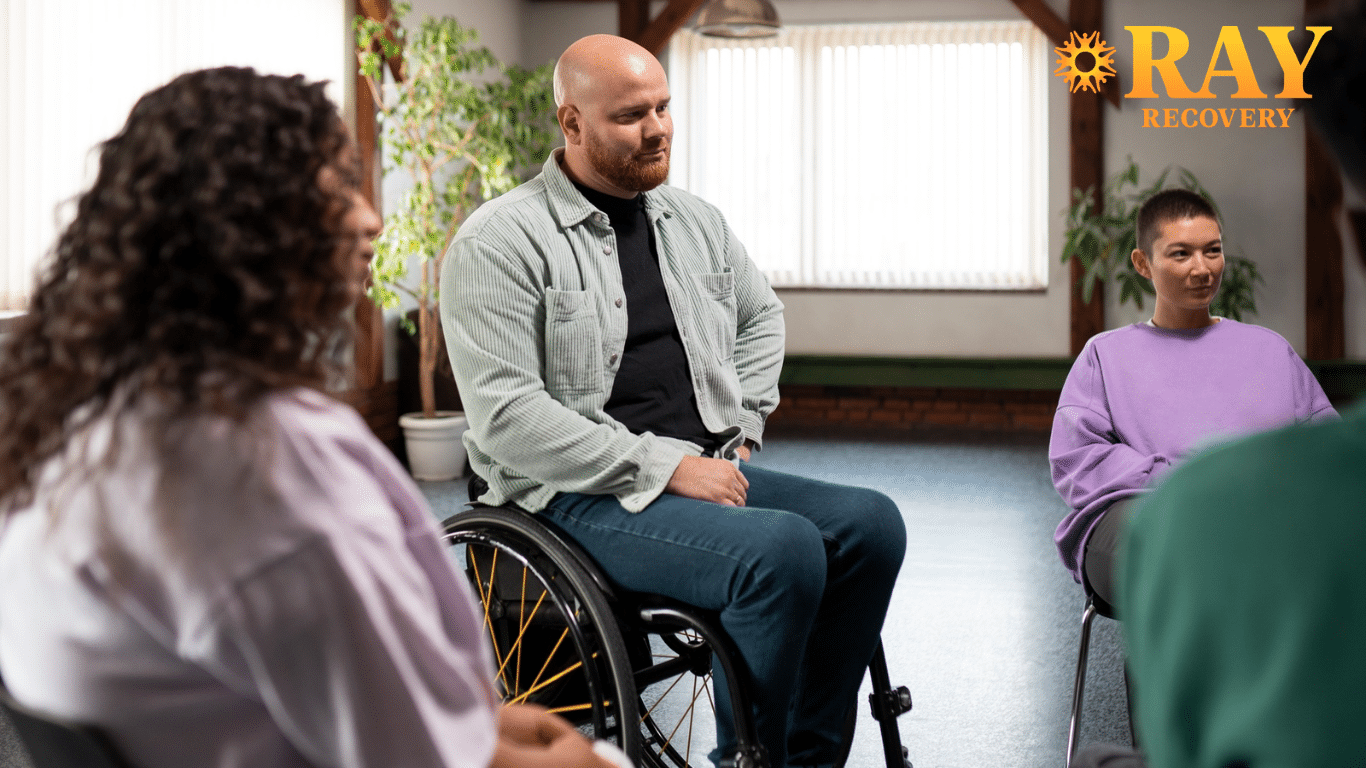
A program that only lists one or two substances on its website, or treats every addiction with an identical, generic plan, is worth asking pointed questions about before committing.
What Actually Makes Rehab Effective, Beyond Just Attending
Simply showing up to sessions isn’t what makes outpatient treatment work. The programs that hold up long term tend to combine a few specific things.
Real therapeutic variety matters. Cognitive Behavioral Therapy, Dialectical Behavior Therapy, and trauma-focused therapy each address different underlying patterns, and no single method works for everyone. A program offering only one therapeutic approach is offering less than it should.
Family involvement changes outcomes. Family therapy isn’t an add-on, it’s often the difference between someone returning to the same unaddressed dynamics after treatment ends and someone returning to a home that’s actually changed alongside them.
Aftercare has to exist. Finishing a program is a milestone, not a finish line. Ask any provider you’re considering what happens after discharge, and be wary of anyone who doesn’t have a clear answer.
What Does Rehab Cost in Akron, and What Does Insurance Actually Cover?
Cost is one of the biggest reasons people delay getting help, and it’s also one of the most confusing parts of the process. A few honest points worth knowing:
Outpatient care is significantly less expensive than residential treatment, since there’s no cost for room, board, or 24-hour staffing. Most reputable outpatient providers in the Akron area accept a range of insurance plans, including Medicaid, Medicare, Tricare, VA CCN, and major commercial insurers.
In-network coverage matters more than most people realize. Two facilities offering the exact same level of care can cost dramatically different amounts out of pocket depending on whether they’re in-network with your specific plan. Always ask directly, and be cautious of any provider unwilling to give you a clear answer about your benefits before you commit to anything.

Ray Recovery runs free, no-pressure benefits checks for anyone considering treatment. Verify your insurance here before making any decision, whether you choose us or another provider.
How to Actually Compare Rehab Centers in Akron, Ohio
Since so many searches for rehab centers in akron ohio return a mix of real providers and directory listings for facilities that aren’t actually local, here’s a practical way to sort through it.
Confirm the physical location. Some listings for “Akron” treatment are actually facilities significantly outside the metro area. Ask directly where sessions take place and how far that is from where you actually live.
Ask what level of care they provide. If a website is vague about whether they offer PHP, IOP, or residential care, that’s worth clarifying before you go further.
Check what substances they actually treat. A program built around alcohol treatment isn’t automatically equipped to handle fentanyl or benzodiazepine dependency, and vice versa.
Ask about dual diagnosis capability. If anxiety, depression, or trauma are part of the picture, and for most people they are, make sure the program can address that alongside the substance use itself.
Ray Recovery’s main facility is based in Hudson, close to Akron, with a second location in Uniontown for clients closer to Stark County. We’re upfront about being an outpatient provider, not a detox or residential facility, because that honesty matters more than winning every possible search term.
Frequently Asked Questions
Is there a good drug rehab in Akron, Ohio?
Yes, though the search results for this term mix real local providers with directory sites listing facilities that aren’t actually in the Akron area. Ray Recovery serves Akron directly from our nearby Hudson facility, offering outpatient treatment for alcohol, opioids, and other substances.
What’s the difference between detox and rehab in Akron?
Detox is short-term, medically supervised withdrawal management, typically handled by a hospital or dedicated detox facility. Rehab is the longer-term counseling and skill-building that follows. Outpatient providers like Ray Recovery pick up after detox rather than performing it directly.
Does outpatient rehab in Akron actually work as well as inpatient?
For many people, yes. Outpatient care allows someone to keep working, stay connected to family, and immediately apply what they’re learning to real daily life, rather than reentering that life all at once after a residential stay. The right level of care depends on the individual’s specific situation and support system.
Is there heroin or fentanyl rehab available in Akron?
Yes. Given how significantly opioids have affected Summit County, most legitimate outpatient providers in the area, including Ray Recovery, treat heroin and fentanyl addiction as a core part of their work, often alongside dual diagnosis care for co-occurring mental health conditions.
Will my insurance cover rehab in Akron?
In most cases, yes. Ray Recovery accepts Medicaid, Medicare, Tricare, VA CCN, Humana, Medical Mutual, Anthem, United Healthcare, and several other Ohio plans. A free benefits check before committing to any program is always worth doing.
How do I know if I need PHP or IOP?
PHP involves more hours per day and tends to fit people who need more structure early in recovery or are stepping down from a higher level of care. IOP meets less frequently and works well for people who need real support while continuing to work or manage family responsibilities. A brief conversation with an admissions team can usually clarify which fits.
The Bottom Line
Finding real drug and alcohol rehab in Akron, Ohio means looking past generic directory listings and understanding what level of care you actually need, what substances a program is equipped to treat, and what your insurance will realistically cover. If you’re ready to talk through your specific situation, Ray Recovery’s team is available to walk through it honestly, including telling you if a different level of care or provider makes more sense for where you are right now.
Ray Recovery Main Facility: 1737 Georgetown Rd, Hudson, OH 44236, Suite H/I
Second Location: 13680 Cleveland Ave NW, Uniontown, OH 44685
Phone: 888-839-2606