
Key Points:
- Heroin addiction treatment in Summit County, Ohio, combines medication-assisted treatment, therapy, and community support for the best outcomes.
- MAT with buprenorphine or methadone dramatically reduces overdose risk and improves treatment retention for heroin use disorder.
- Outpatient heroin treatment in Ohio is a viable, effective option for many people, especially when paired with structured programming.
Heroin addiction in Summit County is not an abstract problem. The region has been hit hard by opioid use disorder over the past decade, and many families are navigating this right now, trying to figure out what treatment actually looks like and what their options are. This guide breaks down the real heroin addiction treatment options in Summit County Ohio, what the evidence supports, and how to make sense of all the choices.
The short version: treatment works. Not always on the first try, not always without complications, but heroin use disorder is a treatable medical condition, and thousands of people in Ohio are in stable recovery right now.
Understanding What Heroin Does to the Brain and Why It Matters for Treatment
Heroin is a fast-acting opioid that binds to mu-opioid receptors in the brain, flooding the system with dopamine and producing an intense euphoric effect. With repeated use, the brain adapts, downregulating its own opioid receptors and producing less dopamine naturally. This is why people with heroin use disorder don’t just feel bad when they stop; they often feel profoundly flat and incapable of experiencing pleasure. This is called anhedonia, and it’s a physiological reality, not weakness.
Understanding this matters because it explains why willpower-based approaches alone don’t hold up well against heroin dependence, and why medication-assisted treatment combined with therapy is the evidence-backed standard. You can read more about what happens to your body during heroin withdrawal to understand the physical dimension of this further.
Heroin Treatment Options in Summit County: What the Evidence Supports

Medication-Assisted Treatment for Heroin Addiction
MAT for heroin addiction is the most evidence-supported approach available. The FDA-approved medications include buprenorphine (often sold as Suboxone), methadone, and naltrexone (Vivitrol). Each works differently:
- Buprenorphine is a partial opioid agonist that reduces cravings and withdrawal without producing the full high of heroin. It’s a cornerstone of opioid rehab in Akron today. It can be prescribed by a certified provider and taken at home, which makes it highly compatible with outpatient heroin treatment in Ohio.
- Methadone is a full opioid agonist dispensed through federally regulated clinics. It’s highly effective but requires daily clinic attendance, at least initially.
- Naltrexone (Vivitrol) works by blocking opioid receptors entirely. It’s most effective when someone has already completed detox. It has no abuse potential since it’s not an opioid at all.
Research published by NIDA and in the Journal of Substance Abuse Treatment consistently shows that people on MAT have significantly lower overdose mortality, higher treatment retention, and better social outcomes than those treated without medication.
Intensive Outpatient Programs for Heroin in Summit County
A heroin IOP in Summit County allows you to receive structured therapeutic care while living at home. Typically, three to five days per week, IOP includes group therapy, individual counseling, psychoeducation, and relapse prevention training. For people who have stable housing and enough social support, it’s often the right level of care.
IOP is especially effective when combined with MAT. Medication manages the physiological component while therapy addresses the behavioral and psychological dimensions. Understanding the difference between various outpatient rehab programs can help you pick the right fit.
Inpatient and Residential Treatment
Residential treatment is sometimes the right call, particularly for people with severe dependence, unstable living situations, co-occurring severe mental illness, or prior unsuccessful outpatient attempts. Being in a structured environment around the clock removes access to heroin while intensive therapeutic work happens.
That said, residential isn’t automatically more effective than outpatient for everyone. The research shows that patient-matched treatment, choosing the level of care that fits your actual situation, produces better outcomes than defaulting to the most intensive option every time.
Detox: The Starting Point, Not the Treatment
Medically supervised heroin detox manages acute withdrawal, which peaks around 48 to 72 hours after the last dose and includes severe muscle pain, nausea, vomiting, anxiety, and insomnia. Detox alone isn’t treatment. It gets you physically stabilized so real treatment can begin. People who complete detox without entering ongoing treatment have very high relapse rates.
What Works Best for Heroin Recovery in Ohio
The short answer is MAT plus therapy, including motivational therapy, plus community support. These three elements together produce the best outcomes in the research consistently.
Community matters more than people expect. Building a sober support network, finding people who’ve been through recovery and stayed there, and having something meaningful to come back to every day are predictors of long-term sobriety that clinical treatment alone can’t fully provide. A structured aftercare program helps bridge that gap between treatment and independent recovery.
If you’re also dealing with mental health issues alongside heroin use, you’re not unusual. Trauma, depression, and anxiety are common co-occurring conditions with opioid use disorder. Treatment that addresses both simultaneously through a dual diagnosis approach in Akron produces better outcomes than treating them separately.
Getting Into Heroin Rehab Near Akron: What the Process Looks Like
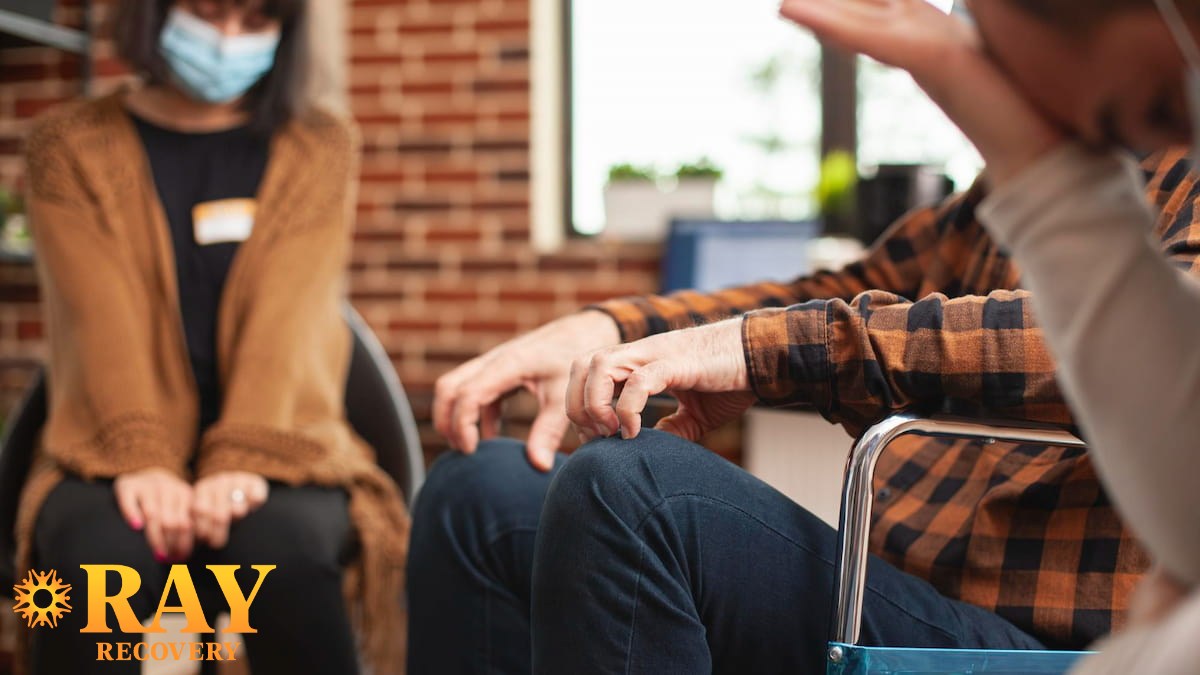
If you’re trying to get into heroin rehab near Akron, the first step is usually a phone intake or in-person assessment. You’ll answer questions about your substance use history, current health, mental health, and living situation. This takes about an hour and helps the team figure out what level of care fits best.
Many programs can start you within days of that initial contact. Insurance, including Medicaid through Ohio, typically covers substance use disorder treatment. If cost is a concern, programs can usually verify coverage quickly.
Being honest during intake serves you. If you underreport your use or hide co-occurring symptoms to seem like a less complicated case, you might end up with a care plan that doesn’t match what you actually need. What to expect during rehab admission is worth reviewing before your first appointment.
FAQs
Is methadone just replacing one drug with another?
This is one of the most common misconceptions about MAT. Methadone prescribed and monitored by a clinic is a medical treatment. It stabilizes brain chemistry, removes the chaos of active addiction, and gives people their lives back. The research is overwhelming on this.
Can I get heroin treatment in Summit County without going inpatient?
Yes. Outpatient heroin treatment in Ohio is a viable, evidence-supported option for many people. Whether it’s right for you depends on factors like housing stability, support system, and severity of dependence, which an intake assessment can help clarify.
What if someone I love is refusing heroin treatment?
You can’t force someone into recovery, but you can set limits on what you’ll enable and create conditions that make treatment more appealing. Family therapy and professional guidance on this are available and genuinely useful.
How long does heroin addiction treatment last?
There’s no single answer. MAT often continues for a year or more, and the research supports longer treatment duration for better outcomes. Intensive outpatient typically runs 8 to 16 weeks. Long-term recovery is a process, not a finish line.
What are the signs of heroin abuse I should know about?
Constricted pupils, sudden drowsiness, track marks on arms, withdrawal from social activities, financial problems without explanation, and mood swings are common signs. Early recognition gives treatment a better chance of success.
Every Day Without Treatment Is a Day Closer to Irreversible Harm. Let’s Talk.
Heroin doesn’t wait. Every day of active use carries real risk, and every day in treatment is a day building toward something different. The best heroin recovery program in Ohio isn’t the flashiest one; it’s the one that meets you where you are and keeps you engaged.
Contact us today, ask the questions you’re scared to ask, and find out what treatment actually looks like for your specific situation. There’s no judgment here, just a real conversation about getting you the right help.