
Key Points:
- Picking the right outpatient rehab in Ohio works best when you match program intensity to needs, schedule, and home life, not a generic checklist.
- A solid rehab assessment looks at substance use, mental health, and daily life together, giving your family a real plan to follow.
- Insurance coverage, therapy quality, and aftercare planning matter just as much as the program name on the door.
Watching someone you love struggle with addiction is heavy. You want help that fits real life, not something that pulls them away from work and family for months. That’s where outpatient rehab in Ohio comes in. It gives your family a way to start addiction recovery in Ohio without putting daily life on pause.
Not every program suits every person. Some need more structure. Some need less. Some need mental health care running alongside substance treatment. This guide walks you through what really matters when you compare options, how to schedule a rehab assessment, and the questions to ask before signing anything. By the end, you’ll know how to pick a strong program for your situation.
What Outpatient Rehab in Ohio Actually Looks Like
Outpatient rehab in Ohio means getting treatment without staying overnight at a facility. Your loved one attends sessions a few times a week and goes home each evening. It works best for people with stable housing, family support, and a lower risk of dangerous withdrawal.
There are three main tiers of Ohio drug rehab on the outpatient side:
- Standard outpatient: usually 1 to 3 hours per week.
- Intensive outpatient (IOP): around 9 to 15 hours weekly.
- Partial hospitalization (PHP): about 20 hours weekly.
Most people start at a higher level and step down as they get stronger. The team adjusts based on progress, not a fixed clock. A typical week mixes therapy, group support, and sometimes medication-assisted care. Strong programs also bring family into the work.
What Makes a Strong Outpatient Program
The brochure won’t tell you everything. Here’s what separates a good fit from a forgettable one.
Programs That Treat the Whole Person
Around half of adults with a substance use disorder also live with a mental health condition. Anxiety, depression, trauma, bipolar, ADHD. These often drive the using. Strong addiction treatment in Ohio teams handle both at the same time, in the same building, with the same care team. Look for dual diagnosis treatment listed as a core service, not an add-on.
Real Therapy, Not Just Talk Circles
Look for programs offering cognitive behavioral therapy, dialectical behavior therapy, EMDR, and trauma-focused work. Group sessions matter, but they shouldn’t be the only thing on the schedule. Ask how often your loved one will meet one-on-one with a counselor. You want a real range of addiction therapy services, not a one-size-fits-all model.
How to Schedule a Rehab Assessment Without the Stress

The first call feels scary. You don’t need to have all the answers. The intake team will guide you through it.
When you schedule a rehab assessment, expect questions about:
- Substances used and how often.
- Past treatment attempts.
- Mental health history.
- Family and work situation.
- Insurance details.
It usually takes 45 to 90 minutes. Many places offer assessments by phone or in person, and you can book a rehab program intake without committing to anything. You’re just gathering information.
Insurance and Cost: What Families Actually Pay
This is the part people fear most. Don’t. Most addiction treatment in Ohio is covered by insurance under federal parity laws, which require behavioral health coverage similar to other medical care.
Major insurers like Anthem, Humana, Medical Mutual, Tricare, and UnitedHealthcare usually cover IOP and outpatient services. Medicaid covers a lot too. A short call to verify your benefits will tell you what you’ll owe before you commit. Costs vary by program length and level of care.
Questions to Ask Before You Book
Get answers in writing if you can. Ask:
- What’s my copay per session?
- Is there an out-of-pocket maximum?
- Are family sessions billed separately?
- What if my loved one steps up to PHP?
A good admissions team won’t dodge these.
Picking the Right IOP in Ohio for Your Loved One
When you’re ready to choose an IOP in Ohio, look beyond the location pin on the map. Ask about:
- The clinical model used in groups.
- Group size, usually 8 to 12, works best.
- Staff credentials and licensing.
- Aftercare and alumni support.
You want a program that doesn’t just discharge people and disappear. The real test is how patients are doing six months later. If the program serves your area, check the Canton location or browse all the Ohio service areas to see what fits.
Setting Up the Home Side of Recovery
A good outpatient program does half the work. The other half happens at home. You can help by:
- Removing alcohol and unprescribed meds from the house.
- Keeping a regular sleep and meal schedule.
- Joining family therapy sessions when invited.
- Letting your loved one own their recovery, not policing it.
Recovery isn’t a straight line. Slips happen. What matters is what comes next.
Start Addiction Recovery in Ohio This Week
You don’t need to plan everything tonight. Take one step. Make the call to start addiction recovery in Ohio. Get the assessment booked. Verify insurance. Then take the next step from there. The hardest moment is usually the first call. After that, the team carries a lot of the weight.
If alcohol is the main issue, ask about alcohol-focused care. If your loved one is in the Cleveland area, look at Cleveland rehab options or Ohio-wide treatment. You can also browse the full substance use services list to see which programs match your situation.
What the First 30 Days of Outpatient Rehab Feel Like
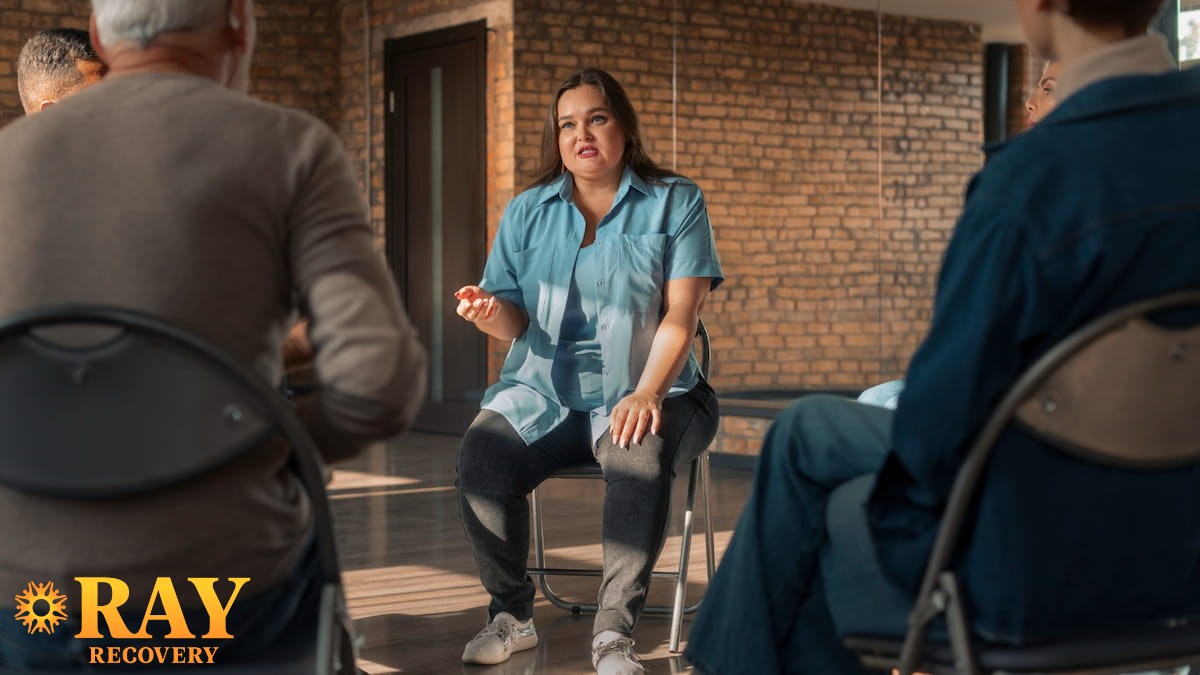
The first month is the steepest part of the climb. Your loved one is learning new coping skills as their brain continues to adjust. Expect mood swings, tired evenings, and some quiet days. That’s normal.
Most programs front-load the schedule in the first few weeks. Three group sessions a week, one individual session, and maybe a family night. The pace can feel like a lot at first. By week three, it usually starts to feel like a routine.
Here’s what tends to happen in those early weeks:
- Week 1: Intake paperwork, lab work, and meeting the care team.
- Week 2: Group rhythm sets in, and first individual therapy goals get set.
- Week 3: Triggers and cravings become a main focus in sessions.
- Week 4: Relapse prevention planning and family involvement deepen.
If your loved one needs a higher level of care during this period, the team can step them up to a partial hospitalization program without restarting the process. The first 30 days are about building a foundation, not finishing the work.
Frequently Asked Questions
How long does outpatient rehab in Ohio usually last?
Most IOPs run 8 to 12 weeks. PHP is shorter and more intense. Standard outpatient can continue for several months. Length depends on progress, not a fixed timeline. Learn more about typical program length.
Can I work or go to school during outpatient rehab?
Yes. Most programs offer morning or evening sessions to fit around work, school, and childcare. That flexibility is the main reason families pick outpatient over residential care.
What if my loved one relapses during treatment?
Relapse is part of many recovery journeys, not a failure. Treatment teams adjust the plan, often raising intensity or adding medication support. The work simply continues from there.
Do I need detox before outpatient rehab?
Sometimes. For alcohol, benzos, or opioids, medical detox first may be safer. The intake assessment will tell you, and programs can coordinate detox referrals when needed.
Will my insurance really cover this?
In most cases, yes. Parity laws require behavioral health coverage similar to other medical conditions. Always verify benefits with the rehab admissions team before starting.
Step Off the Sidelines and Step Into Recovery
Sitting with addiction in the family is exhausting. You don’t have to carry it alone, and your loved one doesn’t need to wait for ‘the right time’ to start. The right time is the one you act on. Ray Recovery makes choosing the right outpatient rehab in Ohio simple, with same-week assessments, fast insurance checks, and clinical care built around real life.
Reach out to us to book your assessment, talk through your options, and get a plan in place this week. Every recovery story starts with one call. Make yours today, and let your family breathe a little easier tomorrow.