
Key Points:
- Outpatient alcohol treatment in Akron, Ohio, lets you live at home and keep daily responsibilities while getting structured support.
- Most programs run 8 to 16 weeks, moving from intensive early support to fewer sessions as you gain stability.
- What happens each week is predictable, so you can prepare mentally and logistically before your first day.
If you’re wondering how outpatient alcohol rehab actually works, you’re not alone. A lot of people picture group circles and vague encouragement, but the reality is more structured, more practical, and honestly more manageable than most expect.
Outpatient alcohol treatment in Akron, Ohio, follows a week-by-week progression designed to build skills, address root causes, and give you real tools for lasting sobriety. This guide walks you through each phase so you know what’s coming.
This shouldn’t be complicated, but it is if nobody walks you through it. So let’s fix that.
What Makes Outpatient Alcohol Rehab Different From Inpatient
Alcohol rehab without inpatient means you don’t sleep at a facility. You come in for scheduled sessions, go home afterward, and keep your job, family responsibilities, or school schedule largely intact. That flexibility matters to a lot of people. If you need more support than standard outpatient but less than inpatient, a partial hospitalization program is another option worth knowing about.
The tradeoff is that you’re back in your real environment every evening. That’s actually not a disadvantage if the program is good, because it teaches you to use coping skills in real life right away, not just in a controlled setting.
Outpatient comes in different intensities. An IOP for alcohol addiction in Akron typically runs three to five days per week, three or more hours per session. Standard outpatient is less frequent. Which one fits depends on how much support you need, which your intake assessment will help figure out.
Week-by-Week Guide to an Outpatient Alcohol Program Near Akron
Weeks 1 to 2: Assessment and Stabilization
Your first week is mostly about getting evaluated. Expect a thorough medical and mental health assessment, a substance use history, and conversations about what led you here. This isn’t interrogation; it’s just the team building a clear picture of what you need.
If you’ve been drinking heavily, your body may still be adjusting. Some outpatient programs work alongside a medical detox component during this phase, or they’ll refer you for supervised detox before formal therapy begins. If you’re already past the acute withdrawal stage, week one moves quickly into education and group work.
You’ll likely attend orientation, get introduced to your group, and start learning about how alcohol affects the brain and body. The goal in these early days is safety and orientation, not deep emotional work.
Weeks 3 to 4: Building the Foundation
By week three, you’re settling into the rhythm. Sessions start covering cognitive behavioral therapy, which helps you identify the thoughts and patterns that drive drinking. You’ll start working with a primary counselor on a personal care plan.
Group therapy becomes more familiar. Most people find the early weeks of group work feel awkward, but it tends to shift around this time. You’re not performing recovery for strangers, you’re working through real problems with people who get it.
Family involvement often starts around here, too. If you have a partner or family member who wants to participate, many programs welcome that during structured sessions.
Weeks 5 to 8: Core Skill Building
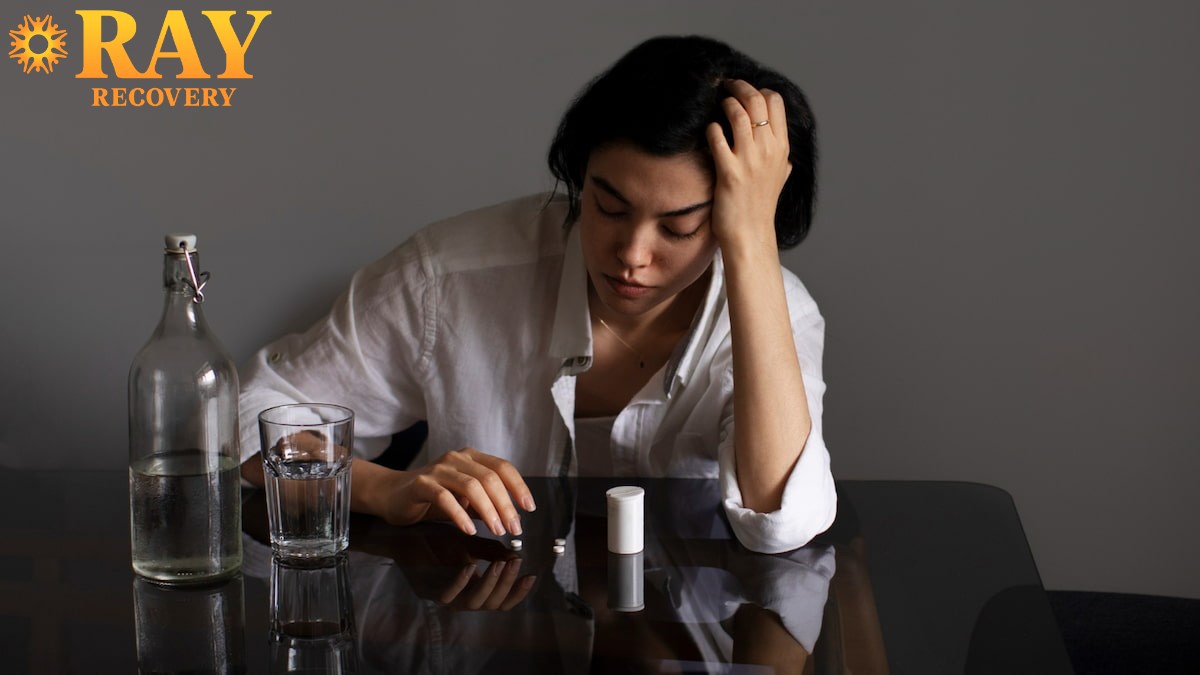
This is where the bulk of the therapeutic work happens in how outpatient alcohol rehab works. You’ll get deeper into relapse prevention, trigger identification, and building a realistic sober life. Sessions may cover stress management, communication skills, and how to handle social situations where alcohol is present.
Alongside group therapy, you’ll have individual sessions to work through anything that’s coming up personally, whether that’s relationship stress, job pressure, past trauma, or co-occurring anxiety and depression. These aren’t optional extras; they’re central to why IOP works better than willpower alone.
Some programs add holistic therapy approaches during this phase, things like mindfulness, movement, or creative outlets. These aren’t fluff; research consistently shows that adding these elements improves retention and long-term outcomes.
Weeks 9 to 12: Deepening the Work
By now, you’ve moved past initial stabilization and have some real tools. The work in weeks nine through twelve tends to go deeper. Trauma-focused work may increase if that’s part of your picture. Relapse prevention planning gets more specific to your actual life and patterns.
This phase is also where family therapy in addiction recovery becomes more meaningful. Understanding how family dynamics contributed to or were affected by drinking, and how to rebuild trust, is work that most people need time to reach. Weeks nine to twelve are often when it lands differently than it would have in week one.
You’re also starting to think about what comes after the program ends. Aftercare planning, 12-step or SMART Recovery involvement, and building a sober support network all come into focus.
Weeks 13 to 16: Stepping Down and Transitioning
Longer programs move toward a step-down phase where session frequency decreases. You might go from four days per week to two, which mirrors real life while still providing accountability. This gradual exit is intentional. It’s easier to practice sobriety with a safety net still partially in place.
Discharge planning includes connecting you to aftercare and continuing support options in the area, ongoing therapy, alumni groups, peer support, and sober community connections. Leaving without a plan is where a lot of people struggle, so programs take this part seriously.
What a Typical Session Day Actually Looks Like
People often picture long hours of emotionally heavy lifting every day. It’s more practical than that. A typical IOP day might look like:
- Checking in with the group and reviewing how the past day went
- An educational segment on a skill or topic, like managing cravings or communication under stress
- Group processing where members work through a theme together with a counselor, facilitating
- Brief check-out and any individual time with your counselor if needed
Sessions are structured. You don’t show up and wonder what’s happening today. There’s a clinical purpose behind each activity.
What the Research Actually Shows About Outpatient Alcohol Recovery Programs in Ohio

Outcomes data for outpatient treatment are strong when people complete programs. Studies published through SAMHSA and NIAAA consistently show that intensive outpatient programs produce comparable outcomes to residential treatment for people with mild to moderate alcohol use disorder who have stable living environments and social support.
The biggest variable isn’t the program; it’s completion. People who stay through the full course of treatment have significantly better one-year sobriety outcomes than those who leave early. Working with an Akron drug and alcohol rehab center that tracks these outcomes gives you a real measure of program quality. That’s worth knowing before you start, because there will be weeks where showing up feels harder than others.
If cost or insurance is a concern, understanding how rehab costs work in Ohio can remove a real barrier to starting.
FAQs
Can I work while in an outpatient alcohol program?
Yes, most people do. IOP schedules are often designed around working hours, with morning or evening session blocks. Standard outpatient is even more flexible. Talk to the program about scheduling before you commit so you can make it work.
What if I relapse during the program?
A relapse doesn’t automatically mean you’re removed from the program. Most outpatient programs treat it as clinical information to work with, not a failure that disqualifies you. You’d review what triggered it and adjust your plan. Honesty with your care team is what helps.
Is an IOP for alcohol in Akron the same as AA?
No. IOP is a clinical treatment program with licensed counselors, structured therapy, and a care plan. AA is a peer support fellowship. Many people do both, and they complement each other well, but they’re different things.
How do I know if I need IOP or standard outpatient?
This usually comes down to how severe your alcohol use has been, whether you have a co-occurring mental health condition, and how much support you have at home. An intake assessment will give you a clearer picture. When in doubt, starting at the higher level of care and stepping down is usually safer than starting too low.
How long does outpatient alcohol rehab last?
Most IOP programs run 8 to 12 weeks. Some extend to 16 weeks for people who need more time. Standard outpatient can continue for months as a step-down from IOP. Your length of stay is based on your progress, not a fixed calendar.
Show Up Week One. The Rest Gets Easier.
Starting is the hardest part. Once you understand what outpatient alcohol treatment in Akron Ohio actually looks like week by week, the uncertainty shrinks. You know what’s coming. You know there’s structure.
You know it’s designed to fit your life. From the first assessment to the final step-down session, every week has a purpose. Contact us today to talk through what the right level of care looks like for you, and to get a clear, honest answer before you take the first step.